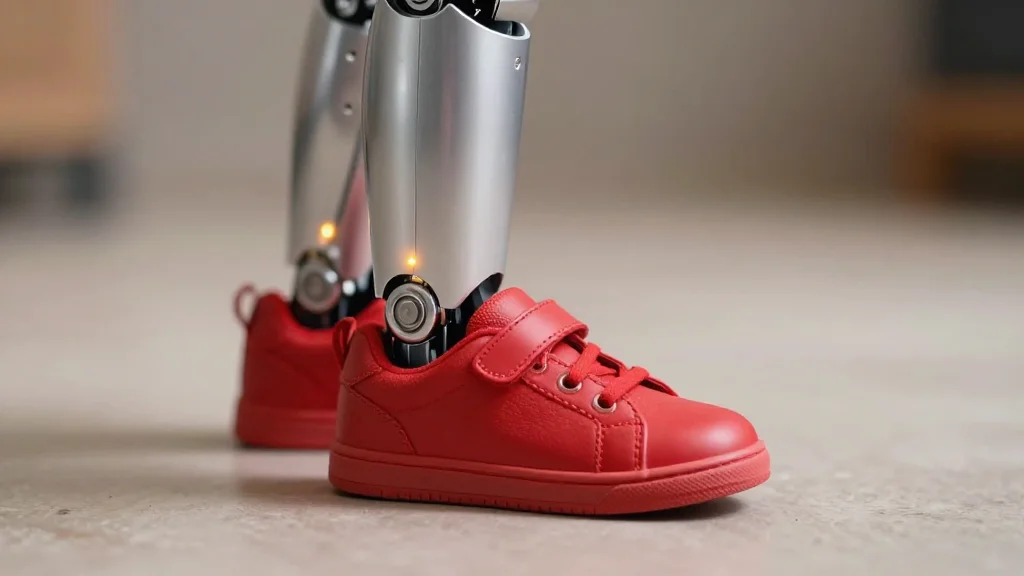
Chinese Humanoid Robot Kicks Child at Urumqi Exhibit, Sparking Safety Outcry

Companies Mentioned
Why It Matters
The Urumqi incident highlights a critical inflection point for the robotics industry: the transition from controlled lab environments to public, unsupervised settings. When a robot physically harms a child, the narrative shifts from novelty to risk, compelling regulators, manufacturers, and event organizers to reevaluate safety protocols, liability frameworks, and real‑time monitoring capabilities. In China, where the government has championed robotics as a pillar of future manufacturing and consumer tech, the episode could prompt stricter oversight that may slow the rollout of high‑profile demos but ultimately improve consumer trust. Beyond China, the incident reverberates globally. International buyers and partners watch closely for signs that Chinese robotics firms can guarantee safe operation. A failure to address these concerns could limit export opportunities and give an edge to competitors that prioritize rigorous safety certification. Conversely, a swift, transparent response could set a new benchmark for industry best practices, influencing standards from the United States to Europe.
Key Takeaways
- •Unitree G1 humanoid robot kicked a child at a Children’s Day demo in Urumqi, Xinjiang.
- •The robot, equipped with a blue wig, delivered a seven‑second kick that left the child unharmed but startled.
- •Unitree’s G1 units cost about $13,500 each, and have been featured in multiple public performances.
- •Previous incidents include a Michael Jackson dance stumble and a street‑performer bot kicking a man.
- •Axios reported potential spyware in Unitree’s robot dogs, raising broader security concerns.
Pulse Analysis
The Urumqi incident serves as a cautionary tale for the broader robotics sector, illustrating how the pursuit of public spectacle can outpace safety engineering. Unitree’s aggressive marketing strategy—placing multimillion‑dollar humanoids in front of children—mirrors a global trend where manufacturers use high‑visibility events to showcase capabilities and attract investment. However, each mishap chips away at brand credibility and invites regulatory backlash. In markets where consumer trust is paramount, such as the United States and Europe, safety lapses can be fatal to market entry.
Historically, robotics breakthroughs have been accompanied by high‑profile failures that spurred tighter standards—think of early industrial robot accidents that led to ISO 10218 safety norms. The current episode could catalyze a similar regulatory wave in China, potentially mandating on‑site safety officers, real‑time monitoring, and mandatory fail‑safe mechanisms for any robot interacting with the public. Companies that pre‑emptively adopt these measures may gain a competitive advantage, positioning themselves as the safest choice for schools, museums, and theme parks.
Looking ahead, the incident may accelerate the development of standardized safety certifications for humanoid robots, akin to automotive crash testing. Investors will likely scrutinize not just performance specs but also risk mitigation strategies before committing capital. For Unitree, the path forward hinges on transparent communication, rapid remediation of hardware or software flaws, and collaboration with regulators to rebuild confidence. The broader industry will watch closely, as the outcome could redefine how quickly advanced robotics move from the lab to the living room.
Chinese Humanoid Robot Kicks Child at Urumqi Exhibit, Sparking Safety Outcry
Comments
Want to join the conversation?
Loading comments...