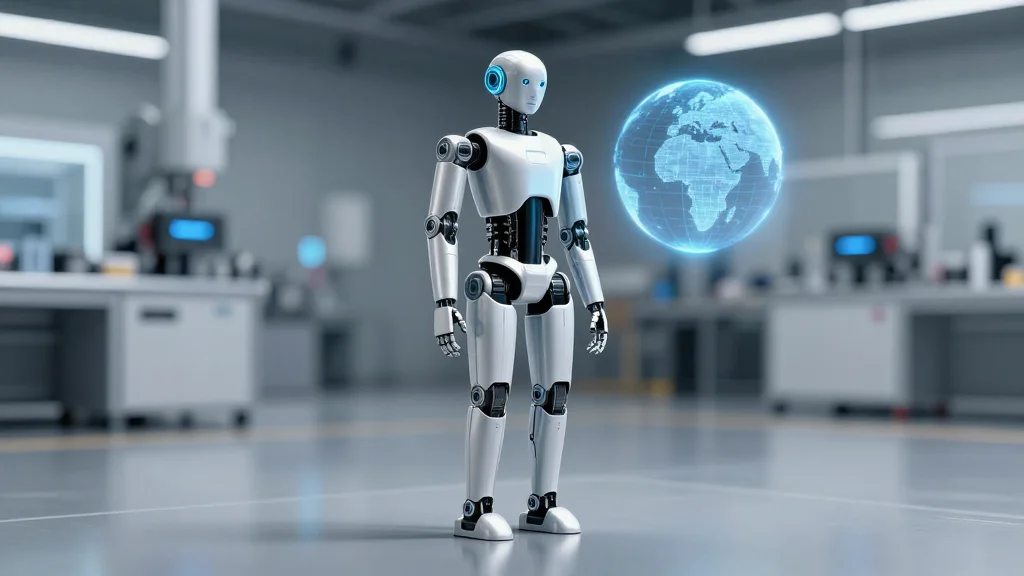
Chinese Humanoid Robot Pioneer Peng Zhihui Rolls Out 10,000th AgiBot Amid Global Market Surge

Companies Mentioned

Why It Matters
Peng Zhihui’s 10,000‑unit milestone signals that China has moved from experimental robotics to large‑scale manufacturing, a transition that could redefine global supply chains for automation. The combination of massive production capacity, government‑driven data initiatives, and a rapidly expanding skilled workforce creates a competitive ecosystem that may accelerate the adoption of humanoid robots in sectors ranging from manufacturing to elder care. If Chinese firms continue to dominate the humanoid market, Western companies may face pressure to either partner with Chinese data providers or invest heavily in their own production lines. The shift also raises questions about standards, safety regulations and intellectual‑property protections as robots become more ubiquitous in public spaces worldwide.
Key Takeaways
- •AgiBot rolled out its 10,000th humanoid robot, now holding ~39% of the global market
- •Peng Zhihui, former Huawei prodigy, earned the 2026 China Youth May Fourth Medal
- •Digital China Summit showcased 6,000+ new technologies, with 65% of exhibits debuting publicly
- •Robotics job postings in China rose >30% YoY in Q1 2026, reflecting a talent boom
- •China’s AI core industry valued at ~600 billion yuan (~$85.6 billion) under the AI Plus initiative
Pulse Analysis
AgiBot’s production breakthrough is more than a corporate milestone; it is a bellwether for China’s strategic shift toward embodied intelligence. Historically, the robotics sector has been fragmented, with high‑margin, low‑volume players in the West and a patchwork of niche manufacturers in Asia. Peng’s ability to mass‑produce humanoids at scale suggests that China has solved two critical bottlenecks: cost‑effective hardware manufacturing and the data pipelines needed to train sophisticated control algorithms. The open‑source motion dataset from Unitree is a clear signal that the ecosystem is moving toward shared resources, reducing the barrier to entry for smaller innovators.
The talent surge highlighted in the recruitment data underscores a policy‑driven talent pipeline that rivals the Silicon Valley model. By integrating AI curricula with hands‑on robotics training, Chinese universities and tech hubs are creating a generation of engineers who can iterate both software and hardware in lockstep. This contrasts with the more siloed approach seen in many Western firms, where AI research and mechanical engineering often operate in separate silos.
Looking ahead, the competitive dynamics will hinge on three factors: data quality, integration speed, and regulatory frameworks. Western firms may need to negotiate data‑sharing agreements or invest in domestic data collection to keep pace. Meanwhile, China’s aggressive export of standards and safety protocols could set the global baseline for humanoid operation, influencing everything from workplace safety legislation to cross‑border certification. If AgiBot and its peers can deliver reliable, cost‑effective robots for real‑world tasks, the next five years could see a rapid diffusion of humanoid automation across manufacturing floors, hospitals and public services, fundamentally reshaping labor markets worldwide.
Chinese Humanoid Robot Pioneer Peng Zhihui Rolls Out 10,000th AgiBot Amid Global Market Surge
Comments
Want to join the conversation?
Loading comments...