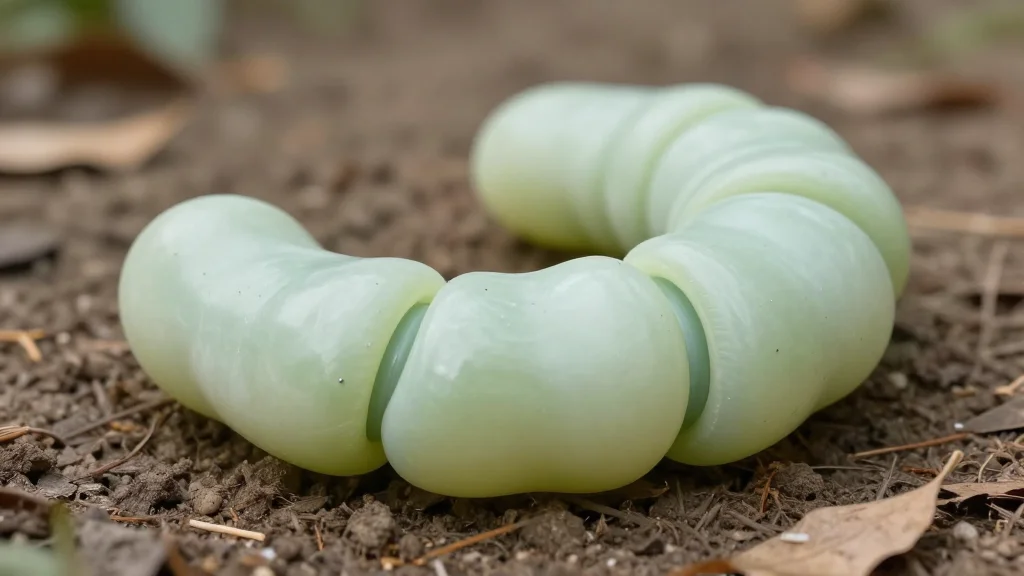
Compostable Robot Endures over 1 Million Uses Before Becoming Plant Food
Why It Matters
The breakthrough tackles the mounting e‑waste problem by delivering high‑performance robots that return to the soil, establishing a circular lifecycle for intelligent devices. It signals a shift toward environmentally responsible design in robotics and electronics.
Key Takeaways
- •Over 1 million actuation cycles without performance loss
- •Uses water‑free biodegradable elastomer poly(glycerol sebacate)
- •Integrated Mg, Mo, Si sensors and actuators fully compostable
- •Decomposes in industrial composting within months, non‑toxic
- •Enables circular robotics, turning waste into plant fertilizer
Pulse Analysis
The rapid expansion of robotics across healthcare, agriculture and environmental monitoring has intensified concerns about electronic waste, which the United Nations estimates at 62 million metric tons annually. Traditional soft robots rely on multilayered polymer‑metal composites that resist recycling and persist in landfills, creating a paradox where advanced technology fuels ecological strain. Industry analysts have long warned that without a sustainable end‑of‑life strategy, the next wave of intelligent devices could exacerbate the global waste crisis.
The new biodegradable platform sidesteps these challenges by employing poly(glycerol sebacate) (PGS), a water‑free elastomer that offers low hysteresis and robust elastic recovery. Coupled with transient magnesium, molybdenum and silicon components, the robot integrates curvature, strain, tactile, temperature, humidity and pH sensors, as well as heaters and drug‑delivery modules, into a single soft finger. Laboratory tests demonstrate that the actuator retains its bending angle and output force after one million cycles, and that the system remains stable during long‑term storage, proving that sustainability need not compromise performance.
Beyond the laboratory, the technology promises a paradigm shift for manufacturers seeking circular product designs. By composting under industrial conditions, the robot disintegrates within months, yielding nutrient‑rich soil that supports plant growth without toxicity. This closed‑loop approach could reduce the carbon footprint of robotics supply chains, meet emerging regulatory pressures on e‑waste, and open new markets for eco‑friendly automation in agriculture and biomedicine. As companies adopt such biodegradable electronics, the industry moves closer to a future where machines complete their missions and then become part of the natural ecosystem.
Compostable robot endures over 1 million uses before becoming plant food
Comments
Want to join the conversation?
Loading comments...