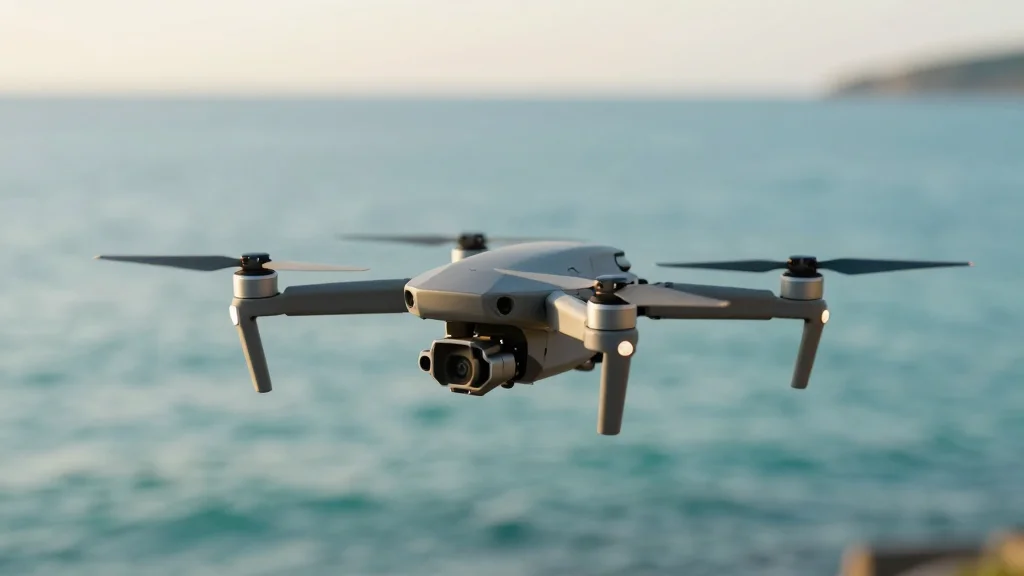
Cuba Gets 300 Suicide Drones Amid Global Surge, Taiwan Orders Rise

Why It Matters
The surge in low‑cost suicide drones represents a paradigm shift in how smaller states and irregular forces can acquire strike capabilities previously reserved for major powers. By lowering the financial and technical barriers to entry, these systems enable rapid, deniable attacks on high‑value targets, complicating traditional deterrence models. For the United States and its allies, the proliferation forces a reallocation of resources toward counter‑UAV technologies, early‑warning radar upgrades, and the development of kinetic and electronic defenses capable of neutralizing swarms of cheap drones. The trend also raises policy questions about export controls, intelligence sharing, and the need for multilateral agreements to curb the spread of one‑way UAVs.
Key Takeaways
- •Cuba allegedly received >300 suicide drones, according to classified intelligence cited by Axios.
- •Drones trace back to Iran's Shahed series, later re‑branded by Russia (Geran‑2) and China (Feilong‑300D).
- •A Russian Il‑76 cargo aircraft delivered the drones to Cuba on Feb. 2, 2026.
- •U.S. Secretary of War Pete Hegseth labeled Cuba a national‑security threat in a May 12 Senate hearing.
- •Taiwan is reportedly increasing its orders for similar low‑cost UAVs, though exact figures were not disclosed.
Pulse Analysis
The emergence of inexpensive suicide drones is reshaping the strategic calculus for both state and non‑state actors. Historically, aerial strike capability required substantial investment in platforms such as fighter jets or cruise missiles. The new generation of one‑way UAVs, however, can be mass‑produced for a fraction of the cost, allowing actors like Cuba to field a credible threat without a corresponding increase in defense spending. This democratization of air power erodes the traditional monopoly that technologically advanced militaries have enjoyed.
From a market perspective, the proliferation is driven by a confluence of geopolitical realignments and supply‑chain efficiencies. Iran’s original Shahed designs have become a template, with Russia and China iterating to improve reliability while slashing unit costs. The ability to ship thousands of drones in a single Il‑76 sortie underscores how logistics have been optimized for rapid, covert distribution. For the United States, the challenge is twofold: first, to detect and intercept swarms that can overwhelm legacy air‑defense systems; second, to deter further transfers without escalating tensions with the drone‑producing states.
Looking ahead, the trajectory suggests a widening gap between high‑tech, high‑cost defense solutions and low‑cost, high‑volume threats. Policymakers will need to balance investment in counter‑UAV technologies—such as directed‑energy weapons and AI‑driven detection algorithms—with diplomatic efforts to establish export controls and normative frameworks. If left unchecked, the low‑cost drone market could become a staple of asymmetric warfare, compelling a re‑evaluation of deterrence and defense postures worldwide.
Cuba Gets 300 Suicide Drones Amid Global Surge, Taiwan Orders Rise
Comments
Want to join the conversation?
Loading comments...