DEEPX and Hyundai Motor Group Robotics LAB Partner to Develop Next-Generation Physical AI Compute Platform for Robotics
Why It Matters
By enabling on‑device, low‑power generative AI, the partnership could accelerate deployment of truly autonomous robots in manufacturing and consumer markets, reshaping the $123 billion Physical AI sector.
Key Takeaways
- •DEEPX's DX-M2 chip targets ultra‑low‑power AI inference for robots
- •Hyundai Robotics LAB will integrate VLA and VLM capabilities into next‑gen platforms
- •Physical AI market projected at $123 billion by 2030, driven by robotics
- •Collaboration builds a full stack: semiconductor, hardware, software, and AI libraries
- •Three‑year joint “edge brain” R&D positions Hyundai to lead intelligent robot deployment
Pulse Analysis
The AI industry is moving from data‑center‑centric models toward a Physical AI era, where intelligence must run locally on devices with stringent power budgets. Ultra‑low‑power semiconductor solutions are becoming the linchpin for edge applications such as autonomous drones, factory robots, and service bots, because they eliminate latency, reduce bandwidth costs, and enhance data privacy. This shift is prompting chipmakers to redesign architectures around energy efficiency while preserving the ability to execute large generative models in real time.
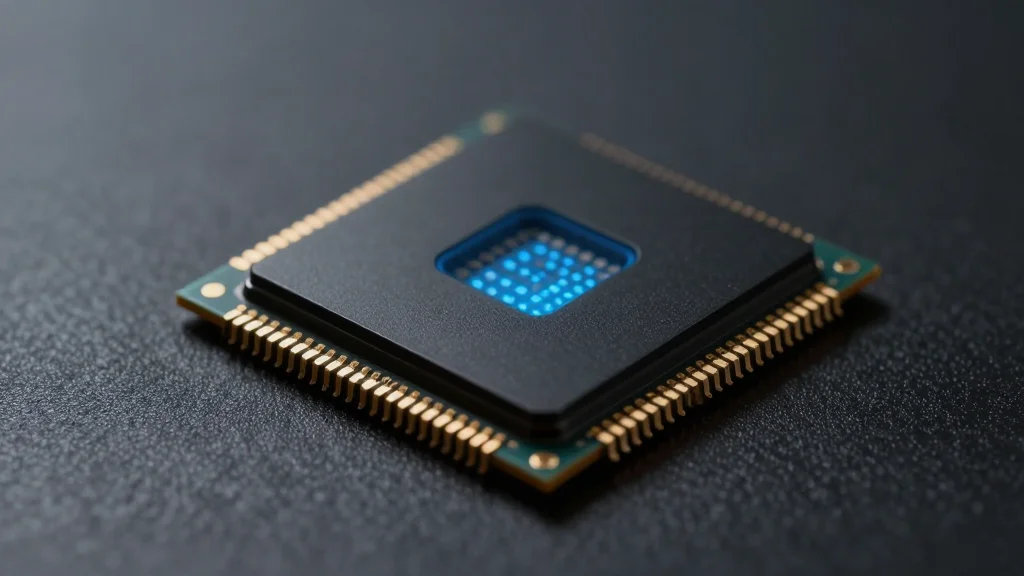
DEEPX’s upcoming DX‑M2 chip embodies this new design philosophy. Built on a physical generative AI (GenAI) architecture, the DX‑M2 promises to run vision‑language‑action (VLA) and vision‑language‑model (VLM) workloads at milliwatt levels, a capability essential for robots that must perceive, understand language, and act without cloud reliance. Hyundai Motor Group’s Robotics LAB will embed the chip into its next‑generation platforms, leveraging its expertise in mechanical design and control systems. The joint effort spans four pillars—semiconductor architecture, AI hardware, a Physical AI software stack, and specialized robotics AI libraries—creating an end‑to‑end solution that could set a new benchmark for intelligent automation.
Market analysts estimate the Physical AI semiconductor market will reach roughly $123 billion by 2030, with robotics and humanoid devices as primary demand drivers. The DEEPX‑Hyundai alliance positions both firms to capture a sizable share of this growth, challenging incumbents like NVIDIA and Qualcomm that are still focused on higher‑power solutions. As manufacturers seek to embed smarter, more autonomous robots on the factory floor and in consumer spaces, the availability of an ultra‑low‑power, on‑device AI platform could become a decisive competitive advantage, accelerating the broader adoption of intelligent robotics across industries.
DEEPX and Hyundai Motor Group Robotics LAB Partner to Develop Next-Generation Physical AI Compute Platform for Robotics
Comments
Want to join the conversation?
Loading comments...