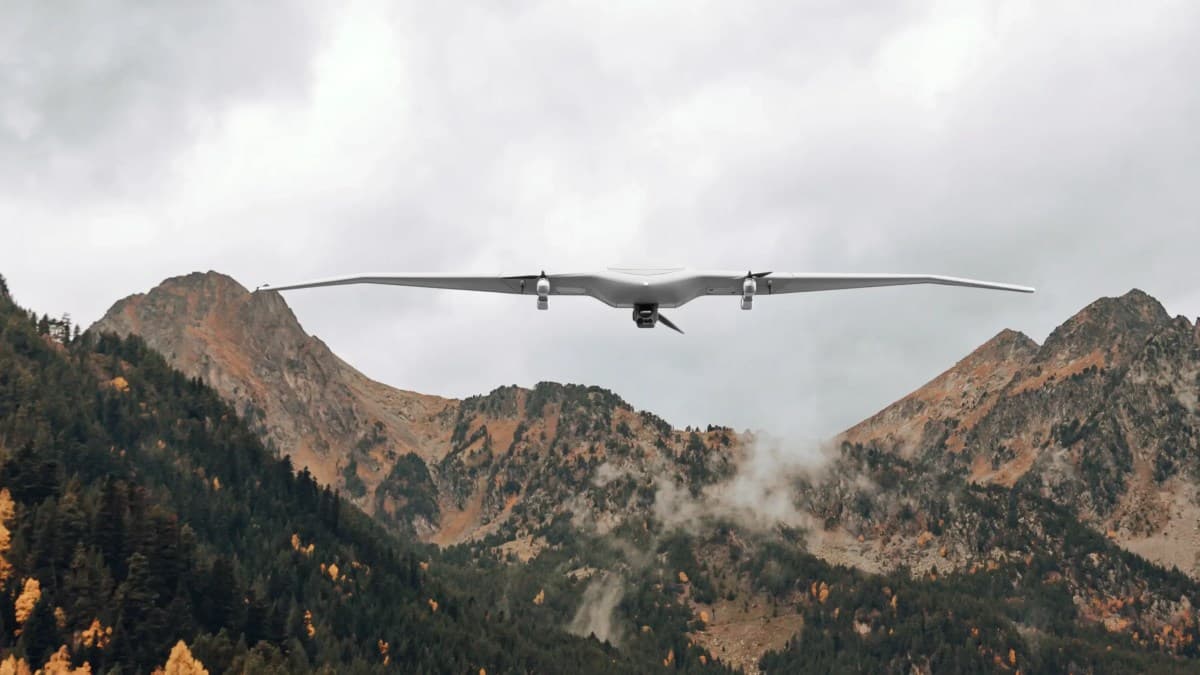
DeltaQuad – Design / Creative Engineer
•February 24, 2026
0

Why It Matters
Ensuring UAV resilience is critical as electric VTOL drones expand into defense, agriculture, and inspection markets, where downtime directly impacts mission success and revenue. Hiring skilled engineers accelerates DeltaQuad’s ability to deliver reliable, high‑performance platforms.
Key Takeaways
- •DeltaQuad leads long‑range electric VTOL drone market
- •Resilience Department protects uptime and customer trust
- •Role blends design, rapid prototyping, and field feedback
- •Additive manufacturing essential for UAV component iteration
- •Competitive benefits attract top engineering talent
Pulse Analysis
The electric VTOL drone sector is experiencing a surge, driven by demand from defense, precision agriculture, and infrastructure inspection. As operators rely on these platforms for critical missions, system resilience becomes a competitive differentiator. Companies that can guarantee high uptime while operating in harsh environments gain trust and secure long‑term contracts, positioning themselves at the forefront of a market projected to exceed $15 billion by 2030.
At the heart of this resilience push is advanced design engineering, where additive manufacturing plays a pivotal role. Technologies such as SLS, MJF, and SLA enable rapid iteration of lightweight, high‑strength components, shortening the feedback loop from field failure to solution deployment. By integrating materials like PA12 and carbon‑fiber composites, engineers can produce parts that withstand vibration, thermal stress, and impact, all while maintaining manufacturability for small‑batch production. This agility not only reduces lead times but also lowers inventory costs, a crucial advantage in a fast‑moving aerospace supply chain.
Talent acquisition is equally vital. The scarcity of engineers proficient in both mechanical design and additive manufacturing intensifies competition among UAV firms. DeltaQuad’s offering—flexible 38‑hour weeks, generous vacation, pension schemes, and a collaborative culture—targets this niche talent pool, promising both professional growth and meaningful impact. By attracting such expertise, the company strengthens its innovation pipeline, ensuring that its drones remain reliable, adaptable, and ready for the expanding demands of the global market.
DeltaQuad – Design / Creative Engineer
0
Comments
Want to join the conversation?
Loading comments...