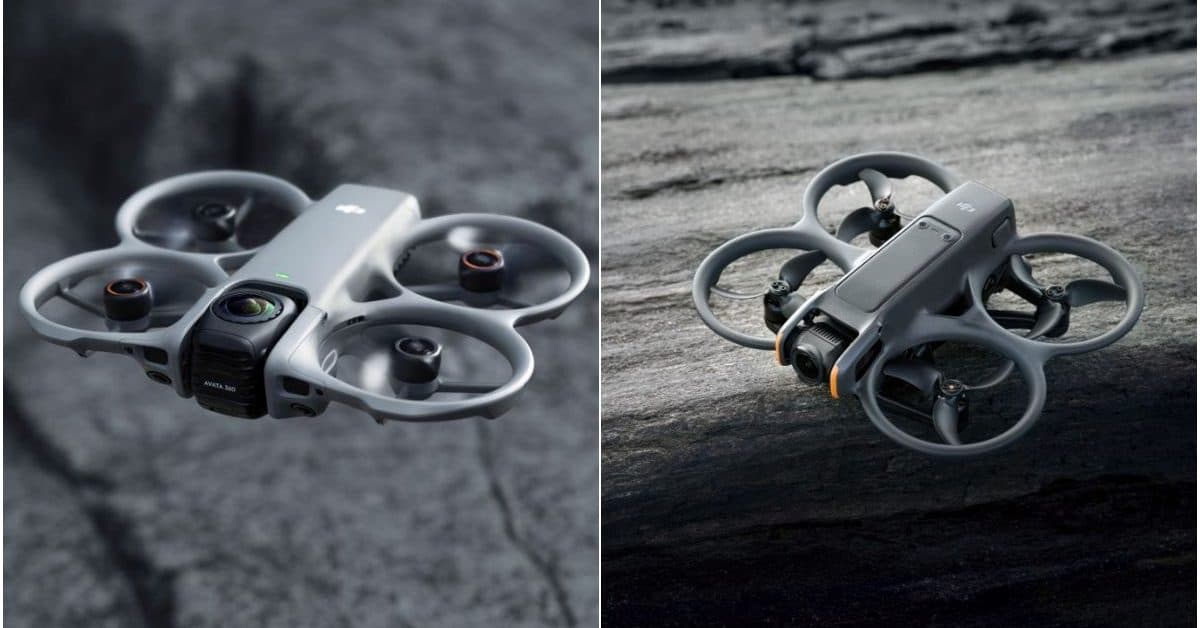
DJI Avata 360 vs Avata 2: Which Drone Should You Buy?
Companies Mentioned
Why It Matters
The decision determines how much creators must invest in editing and storage versus pure flight experience, directly affecting ROI for content‑driven businesses and hobbyists alike.
Key Takeaways
- •Avata 360 adds 8K 360° video and 120 MP photos
- •Avata 2 is lighter, cheaper, and beginner‑friendly
- •360 model requires extensive post‑flight editing and larger storage
- •Top bundles differ by $380, reflecting 360 ecosystem cost
- •Omnidirectional obstacle sensing is exclusive to Avata 360
Pulse Analysis
The FPV drone segment has matured from niche hobbyist toys to essential tools for visual storytellers. DJI, the market leader, leverages its extensive ecosystem to push the envelope, and the Avata 360 is a clear response to the growing demand for immersive 360‑degree content on platforms like YouTube Shorts and TikTok. By integrating dual 1/1.1‑inch sensors and 8K spherical recording, DJI not only upgrades image quality but also opens new revenue streams for creators who can monetize multiple video formats from a single flight.
From a workflow perspective, the Avata 360 fundamentally changes how footage is produced. Instead of committing to a single framing in‑flight, creators capture an entire environment and later re‑compose shots, a process that demands powerful editing software and significantly more storage. This flexibility is attractive for professional content teams but adds operational costs that casual pilots may find prohibitive. Conversely, the Avata 2 maintains a straightforward capture‑and‑publish model, delivering 4K video with minimal post‑processing, which aligns with the preferences of newcomers and pilots who prioritize flight dynamics over post‑production.
Strategically, DJI’s tiered pricing underscores its intent to segment the market. The $1,399 Avata 360 Motion Fly More Combo bundles premium hardware and a two‑year warranty, effectively charging a premium for entry into the 360‑degree ecosystem. For businesses evaluating ROI, the extra $380 over the Avata 2 Fly More Combo translates into higher creative potential but also higher total cost of ownership. As 360 content gains traction, early adopters may capture a competitive edge, yet the majority of FPV buyers will likely stick with the Avata 2 for its agility, lower price point, and ease of use. Understanding these trade‑offs helps firms allocate budget between hardware acquisition and the downstream editing infrastructure required for 360 video production.
DJI Avata 360 vs Avata 2: Which drone should you buy?
Comments
Want to join the conversation?
Loading comments...