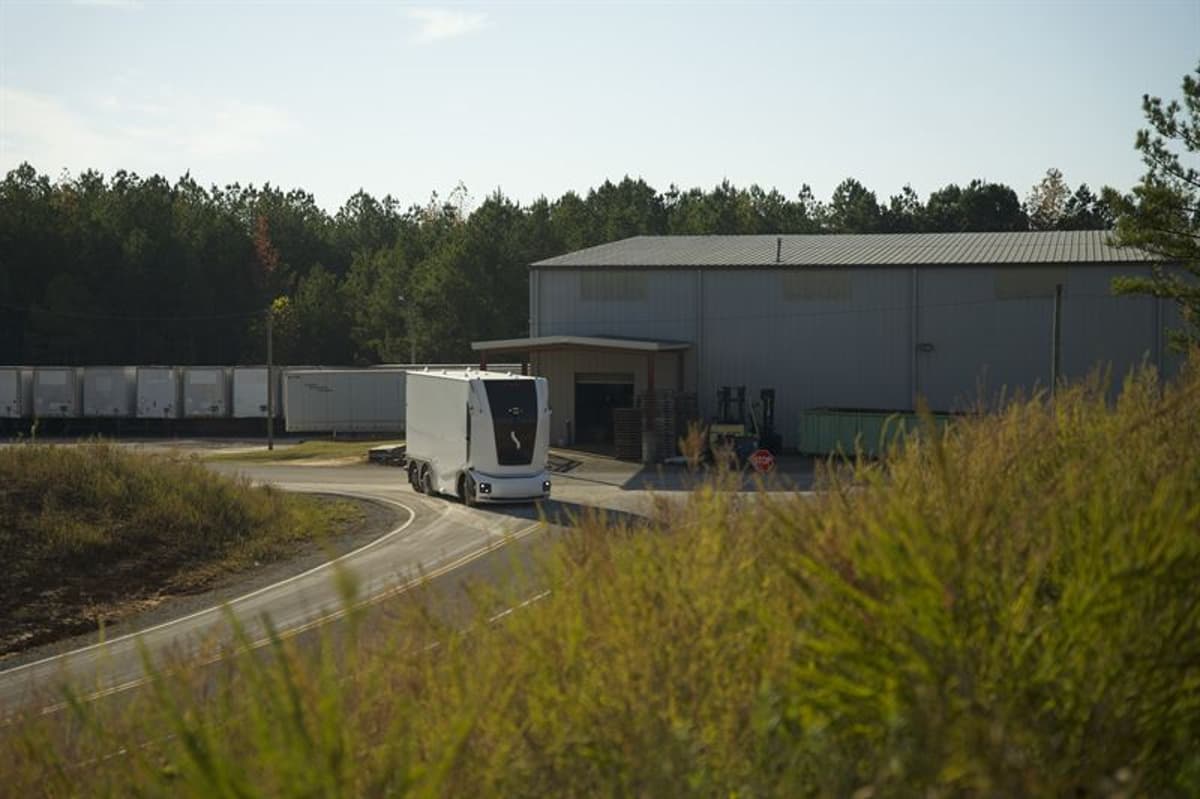
Einride Deploys Autonomous Electric Trucks in Ohio Freight Corridor Pilot
Companies Mentioned
Why It Matters
The deployment demonstrates that fully driverless, electric freight can operate safely at scale, accelerating industry adoption and influencing infrastructure investment and regulatory frameworks.
Key Takeaways
- •Einride's L4 electric trucks operate on public roads in Ohio
- •Pilot evaluates safety, efficiency, and warehousing impact for autonomous freight
- •EASE Logistics now has three autonomous trucking deployments with DriveOhio
- •Remote operators monitor cab‑less trucks, intervening only when needed
- •Project advances Truck Automation Corridor toward daily commercial use
Pulse Analysis
Autonomous trucking is moving from experimental labs to real‑world logistics corridors, and the Ohio pilot illustrates that momentum. Einride, a Swedish pioneer of electric, driverless freight, has already logged thousands of miles across the United States. By pairing its Level 4 cab‑less rigs with EASE Logistics, the project leverages existing supply‑chain routes while testing the technology on public highways. This collaboration aligns with broader industry trends toward decarbonization and labor‑shortage mitigation, positioning electric autonomy as a viable alternative to diesel‑powered fleets.
The Ohio deployment is notable for its integration with state‑level initiatives. The Ohio Department of Transportation and DriveOhio’s Truck Automation Corridor provide a regulatory sandbox that permits autonomous vehicles on designated public roads, while the Indiana Department of Transportation extends the corridor’s reach. Two Einride trucks will shuttle goods between EASE warehouses, with a remote operations center ready to intervene if anomalies arise. Data collection focuses on metrics such as fuel‑equivalent savings, incident rates, and turnaround times, offering a granular view of how driverless electric trucks affect warehousing throughput and last‑mile distribution.
If the pilot confirms projected efficiencies, the ripple effect could reshape freight economics nationwide. Logistics providers may accelerate investments in electric fleets, citing proven safety records and lower operating costs. Policymakers could fast‑track infrastructure upgrades—like dedicated lanes and charging stations—to support broader adoption. Ultimately, the Ohio corridor serves as a microcosm for the next generation of freight transportation, where autonomous electric trucks become a standard component of supply‑chain resilience and sustainability strategies.
Einride deploys autonomous electric trucks in Ohio freight corridor pilot
Comments
Want to join the conversation?
Loading comments...