Elon Musk’s Nutso Comments on US National Debt & Robots
Why It Matters
Tesla’s shift toward mass‑producing humanoid robots could redefine its revenue streams, while Musk’s debt‑solving claim may shape public and political discourse on automation’s economic role.
Key Takeaways
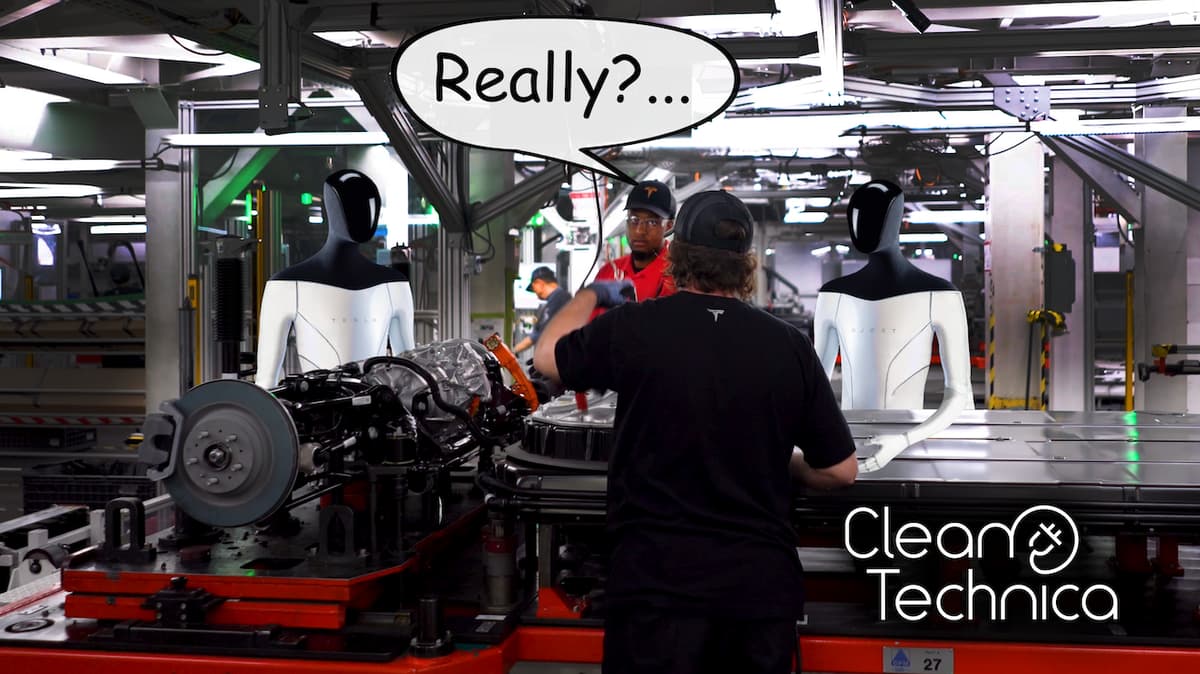
- •Optimus line will replace Model S/X production at Fremont plant
- •Target capacity: 1 million humanoid robots annually, starting this quarter
- •Musk claims AI and robots are essential to avoid US bankruptcy
- •Analysts doubt demand for a million consumer robots per year
Pulse Analysis
Tesla’s decision to repurpose its Fremont Model S/X assembly bays for Optimus marks a strategic pivot from automotive to advanced robotics. The announced capacity—one million units per year—suggests the company envisions a high‑volume, cost‑efficient manufacturing process akin to its car lines. By leveraging existing tooling and supply chains, Tesla could achieve economies of scale that were previously unattainable for humanoid robots, potentially lowering unit costs and accelerating adoption in logistics, manufacturing, and service sectors.
However, the market for a million consumer‑grade humanoids remains speculative. Potential buyers include large‑scale warehouses, defense contractors, and perhaps municipal services, but the price point, safety certifications, and integration challenges pose significant barriers. Competitors such as Boston Dynamics and Agility Robotics are still focused on niche, high‑margin applications rather than mass consumption. Analysts warn that without clear use‑case demand, the Optimus line could become an underutilized asset, echoing past concerns about over‑ambitious production targets in emerging tech.
Musk’s assertion that AI and robots will avert a US bankruptcy adds a political layer to the narrative. While automation can boost productivity and offset labor costs, it does not directly address the structural fiscal deficits driven by entitlement spending and defense budgets. Policymakers may cite such rhetoric to justify subsidies or tax incentives for robotics, but sustainable debt reduction will still require comprehensive budget reforms. The conflation of technological optimism with macro‑economic solutions underscores the need for realistic expectations about how robotics can contribute to, but not replace, sound fiscal policy.
Elon Musk’s Nutso Comments on US National Debt & Robots
Comments
Want to join the conversation?
Loading comments...