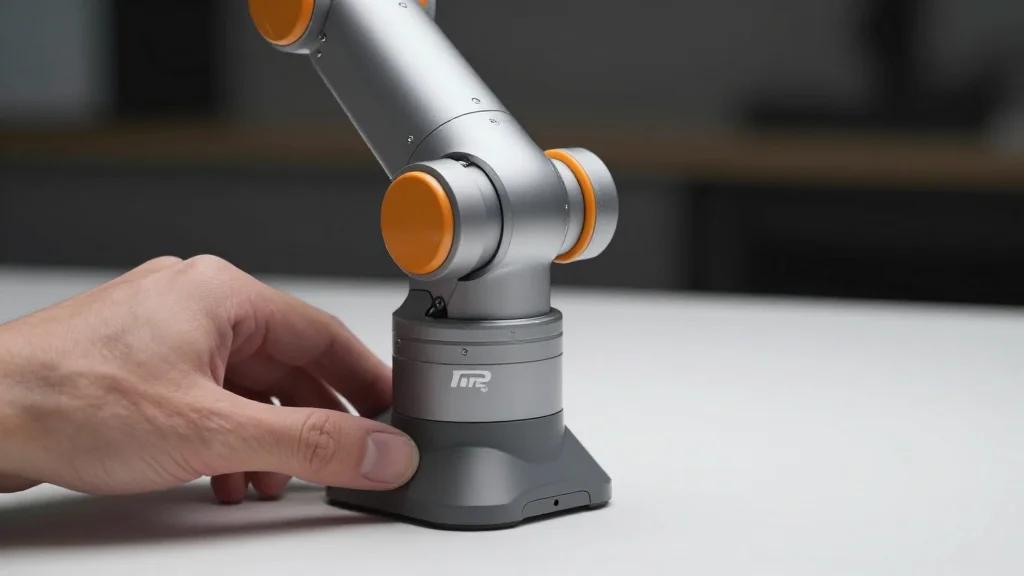
FANUC Launches Ultra‑Light CRX‑3iA Cobot, Weighing Just 11 Kg

Companies Mentioned
Why It Matters
The CRX‑3iA represents a tangible step toward democratizing robotics on the shop floor. By shrinking the physical and financial barriers to robot deployment, FANUC enables midsize manufacturers to compete with larger players that have long relied on fixed automation. This could accelerate the adoption of Industry 4.0 practices, especially in regions where labor costs remain low but flexibility is prized. Portable cobots also reshape workforce dynamics. Operators can now act as robot managers, re‑tasking machines on the fly without extensive engineering support. This shift may drive new training curricula and reshape labor negotiations, as the line between human and machine work becomes increasingly fluid.
Key Takeaways
- •FANUC's CRX‑3iA weighs only 11 kg (24 lb.), enabling hand‑carrying and minutes‑long setup.
- •Payload of 3 kg and 692 mm reach target tight‑space, high‑mix manufacturing tasks.
- •New software upgrades extend the CRX family to heavier palletizing, high‑throughput fastening, and coordinated welding.
- •Launch aims at HMLV production lines, offering a portable alternative to permanent fixtures.
- •First shipments expected later this quarter, with pilots in automotive and electronics sectors.
Pulse Analysis
FANUC’s introduction of the CRX‑3iA arrives at a moment when the robotics market is fragmenting between high‑capacity, fixed‑line solutions and a burgeoning niche of mobile, task‑specific cobots. Historically, FANUC has dominated the heavy‑duty industrial robot segment, but its foray into ultra‑light collaborative machines signals a strategic pivot to capture the HMLV segment that has been dominated by European players. By leveraging its existing service infrastructure, FANUC can mitigate one of the biggest adoption hurdles—post‑sale support—giving it a competitive edge over newer entrants that lack a global dealer network.
The robot’s 3 kg payload may appear modest, yet the real value proposition lies in its agility. In a post‑pandemic supply‑chain environment, manufacturers are re‑engineering lines to accommodate rapid product changes. The CRX‑3iA’s quick‑swap capability reduces downtime, translating into higher equipment utilization rates and lower overall cost of ownership. If FANUC can demonstrate consistent ROI across pilot sites, the model could catalyze a wave of retrofits in legacy factories that previously deemed robotics too costly or complex.
Looking ahead, the success of the CRX‑3iA will likely hinge on software integration. As factories adopt digital twins and real‑time analytics, the ability of a lightweight cobot to feed high‑resolution data into enterprise systems will be a decisive factor. FANUC’s simultaneous rollout of advanced motion‑control and safety features suggests an awareness of this need. Should the company deliver a seamless, plug‑and‑play experience, the CRX‑3iA could set a new benchmark for portable automation, prompting rivals to accelerate their own lightweight offerings and potentially sparking a standards race in cobot interoperability.
FANUC Launches Ultra‑Light CRX‑3iA Cobot, Weighing Just 11 kg
Comments
Want to join the conversation?
Loading comments...