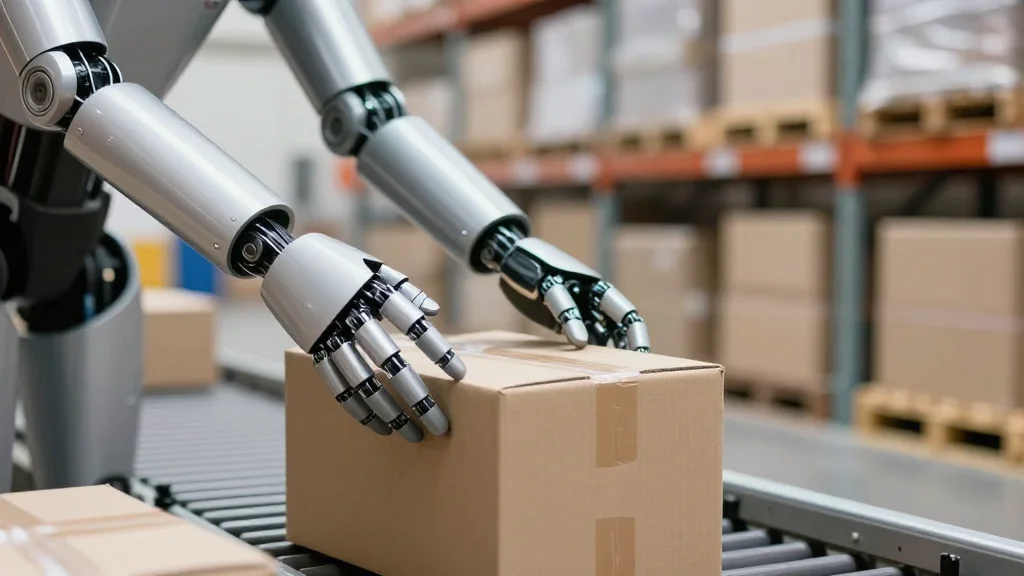
Figure AI’s Helix‑02 Humanoids Log 24‑Hour Continuous Package‑Sorting Test

Companies Mentioned
Why It Matters
The 24‑hour run demonstrates that AI‑driven humanoid robots can maintain human‑level productivity over extended periods, a prerequisite for cost‑effective automation in logistics. By eliminating the need for constant human supervision and reducing downtime through automatic resets, Figure AI’s Helix‑02 could lower operational expenses and increase throughput for large‑scale distribution centers. If the technology scales, it may accelerate the shift toward fully autonomous fulfillment networks, reshaping labor demand in the warehousing sector. Companies that adopt such robots early could gain a competitive edge, while workers may need to transition to roles that oversee robot fleets, perform maintenance, or focus on higher‑value tasks.
Key Takeaways
- •Three Helix‑02 robots ran continuously for over 24 hours, surpassing the planned 8‑hour test.
- •The robots sorted more than 28,000 small packages without any human remote control.
- •Helix‑02 combines vision, touch sensing, body awareness and movement control in a single neural network.
- •Automatic reset capability allows robots to recover from unexpected situations without human intervention.
- •Figure AI competes with Tesla, Agility Robotics and Apptronik, and has previously tested at BMW’s South Carolina plant.
Pulse Analysis
Figure AI’s endurance test is a tangible proof point that humanoid robots can move beyond short‑duration lab demos toward real‑world reliability. Historically, warehouse automation has relied on fixed‑base robotic arms and conveyor‑centric systems, which excel at speed but lack flexibility. Humanoids promise to navigate unstructured spaces, handle a variety of package shapes, and adapt to layout changes—attributes that could unlock new use cases such as last‑mile sorting or on‑demand fulfillment.
The competitive landscape, however, remains fragmented. Tesla’s Optimus platform leverages massive economies of scale from its automotive line, while Agility Robotics focuses on lightweight, battery‑efficient designs. Figure AI’s differentiator appears to be its integrated AI stack that emphasizes self‑recovery, a feature that directly addresses one of the biggest operational pain points: robot downtime. If Helix‑02 can consistently demonstrate low error rates and modest energy usage, it may attract logistics firms that are wary of the high upfront costs associated with traditional automation.
Looking ahead, the critical test will be commercial deployment at scale. Pilot programs will reveal whether the robots can handle the variability of real warehouse inventories, integrate with legacy warehouse management software, and meet safety standards. Success could trigger a wave of investment into humanoid platforms, prompting a re‑evaluation of labor models in fulfillment centers. Conversely, any significant reliability issues could reinforce the industry’s preference for more conventional, stationary automation solutions. The next few months will therefore be decisive for Figure AI’s market positioning and for the broader trajectory of humanoid robotics in logistics.
Figure AI’s Helix‑02 Humanoids Log 24‑Hour Continuous Package‑Sorting Test
Comments
Want to join the conversation?
Loading comments...