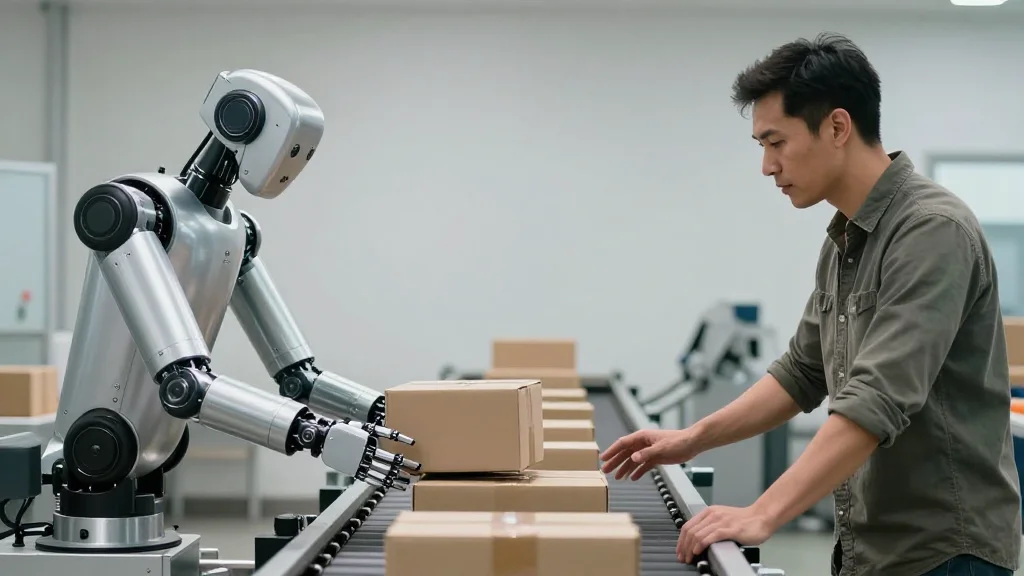
Figure AI’s Humanoid Robot Loses to Human Intern in 10‑Hour Package‑Sorting Race

Companies Mentioned
Why It Matters
The contest spotlights the current performance ceiling of humanoid robots in high‑speed, repetitive logistics tasks. While Figure AI’s machines can operate continuously without breaks, their marginally slower cycle times and error rates make them less competitive than human workers for now. This gap influences adoption decisions by e‑commerce fulfillment centers that prioritize throughput and accuracy. If Figure AI can overcome perception and handling challenges, humanoids could eventually replace labor‑intensive sorting lines, reducing labor costs and mitigating workforce shortages. Until then, the industry will likely continue to rely on a hybrid model where robots handle predictable sub‑tasks while humans manage exceptions and quality control.
Key Takeaways
- •Figure AI’s humanoid sorted 12,732 packages in 10 hours, 192 fewer than intern Aimé Gérard.
- •Human averaged 2.79 seconds per package; robot averaged 2.83 seconds.
- •Live stream attracted over 3 million cumulative views on X.
- •CEO Brett Adcock declared the human win a turning point on social media.
- •Roboticist Ayanna Howard warned that fully autonomous logistics robots are still years away.
Pulse Analysis
Figure AI’s high‑visibility test underscores a classic trade‑off in robotics: endurance versus speed. The humanoid’s ability to run a 10‑hour shift without fatigue is a technical achievement that few commercial systems can match. However, the modest 0.04‑second per‑package lag translates into a tangible productivity deficit when scaled to warehouse volumes of hundreds of thousands of items per day. The error profile—barcode‑side‑up placements and occasional drops—further erodes confidence in a fully autonomous deployment.
From a market perspective, the episode may temper enthusiasm among potential customers who have been watching Figure AI’s livestreams for proof of concept. Investors will likely demand concrete improvements in perception pipelines and gripper design before committing additional capital. The company’s $39 billion valuation rests on the promise of next‑generation automation, but the human win serves as a reminder that incremental engineering gains are still required.
Looking ahead, Figure AI could leverage the data collected from this marathon to train more robust models that better handle edge cases. Partnerships with logistics firms for pilot programs could provide real‑world feedback loops, accelerating the path from lab‑scale endurance tests to production‑grade reliability. Until those hurdles are cleared, the narrative will remain one of impressive endurance tempered by a clear performance gap.
Figure AI’s Humanoid Robot Loses to Human Intern in 10‑Hour Package‑Sorting Race
Comments
Want to join the conversation?
Loading comments...