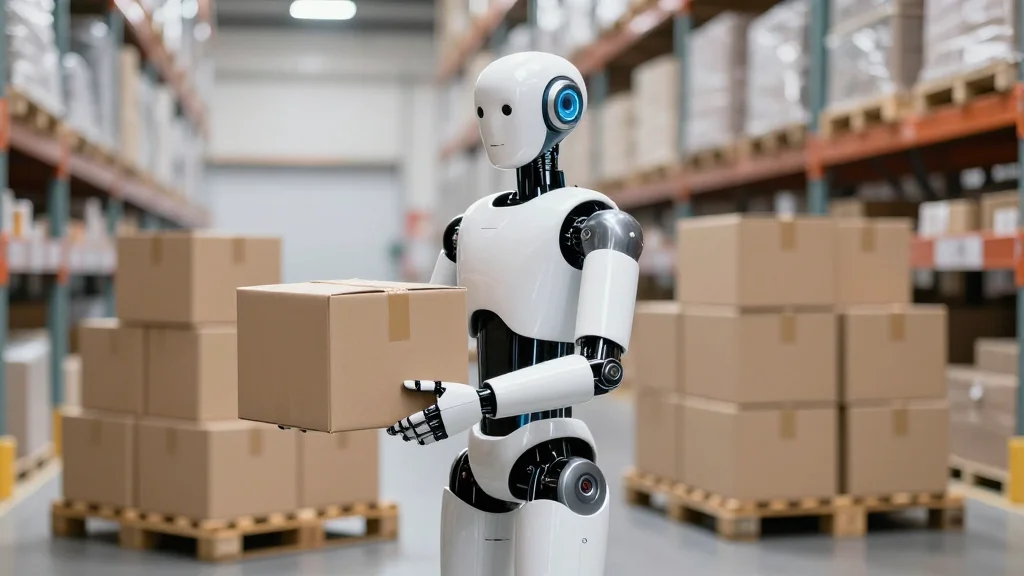
Figure AI’s Humanoid Robot Sorts 101,000 Packages in 81‑Hour Continuous Run

Companies Mentioned

Why It Matters
The ability of a single humanoid robot to sustain high‑speed, error‑free sorting for days challenges the long‑standing belief that human labor is indispensable for parcel handling. If Figure AI can resolve accuracy issues, warehouses could dramatically reduce labor costs, improve throughput, and operate continuously, reshaping supply‑chain economics. Moreover, the demo serves as a real‑world benchmark for AI‑driven manipulation, informing both investors and policymakers about the readiness of humanoid platforms for large‑scale deployment. Beyond logistics, the technology could translate to other sectors—manufacturing, healthcare, and retail—where repetitive, precision‑driven tasks dominate. Demonstrating reliable, 24/7 operation would accelerate adoption across these verticals, potentially spurring a new wave of capital into humanoid robotics startups.
Key Takeaways
- •Figure AI’s robot “Jim” processed 101,391 parcels in 81 continuous hours.
- •Average handling time was three seconds per package, equating to >28,000 parcels per day.
- •Live stream attracted 6,400 viewers; the demo was originally planned for eight hours.
- •CEO Brett Adcock highlighted the robot’s nonstop capability on X.
- •Robotics expert Ayanna Howard warned the demo resembled a science project due to accuracy lapses.
Pulse Analysis
Figure AI’s marathon sorting test marks a pivotal moment for humanoid robotics, but the road to commercial viability remains steep. The raw speed figures are impressive—over 28,000 parcels per day—but logistics operators care equally about error rates, exception handling, and integration with existing warehouse management systems. The mixed reactions from experts suggest that while the hardware and AI stack have matured, the software orchestration layer still lags behind human adaptability.
Historically, legged robots have struggled with fine manipulation, ceding that niche to fixed‑arm or mobile‑base solutions. Figure AI’s approach—combining a bipedal platform with a dexterous arm—could carve out a unique market if it can demonstrate consistent placement accuracy within millimeter tolerances. Competitors will likely accelerate R&D to close this gap, potentially leading to a rapid iteration cycle reminiscent of the early autonomous vehicle race.
From an investment perspective, the demo could rekindle interest in humanoid robotics, a segment that saw a funding slowdown after over‑hyped promises in 2023‑24. Should Figure AI secure pilot contracts with major 3PLs, we may see a cascade of capital inflows, especially from logistics‑focused venture funds. However, any high‑profile mishap—such as a mis‑sorted parcel causing downstream delays—could quickly dampen enthusiasm. The next few months, when Figure AI publishes comparative data against human pickers, will be critical in determining whether this showcase translates into a scalable business model or remains a compelling proof‑of‑concept.
Figure AI’s Humanoid Robot Sorts 101,000 Packages in 81‑Hour Continuous Run
Comments
Want to join the conversation?
Loading comments...