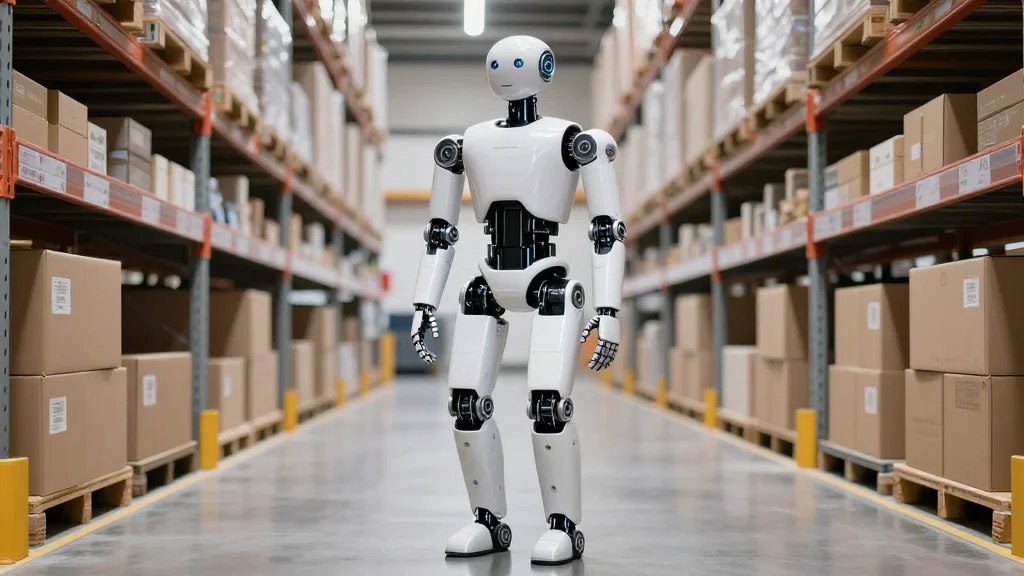
Figure AI’s Humanoid ‘Rose’ Completes 200‑Hour Autonomous Run, Shattering 8‑Hour Goal

Companies Mentioned

Why It Matters
The 200‑hour continuous operation proves that humanoid robots can move beyond short‑duration showcases to become reliable workhorses in high‑throughput environments. By matching human sorting speed and eliminating downtime, Figure AI narrows the cost‑benefit gap that has kept many warehouses hesitant to invest in expensive robotic platforms. Beyond logistics, the test validates the viability of fully edge‑based AI models like Helix‑02 for safety‑critical applications. If robots can make real‑time decisions without cloud latency, the technology could expand into other sectors—manufacturing, e‑commerce returns, and even healthcare—where continuous, autonomous operation is essential.
Key Takeaways
- •Figure AI’s Rose (F.03) completed a 200‑hour nonstop sorting run with zero hardware failures.
- •The robot processed 249,560 packages, averaging ~1,245 packages per hour, matching human speed.
- •Helix‑02, an in‑house AI model, powered the robot entirely on‑edge, eliminating cloud dependence.
- •Robotics ETFs (BOTZ, ROBO) rose ~8 % in May 2026 as investors responded to the reliability milestone.
- •Figure AI now produces one F.03 unit per hour, targeting 350 units by year‑end.
Pulse Analysis
Figure AI’s endurance test marks a turning point in the commercial viability of humanoid warehouse robots. Historically, the sector has been plagued by short‑lived demos that faltered under real‑world stressors—battery depletion, sensor drift, and unexpected package variations. By sustaining 200 hours of autonomous operation, Figure demonstrates that the integration of robust hardware, autonomous charging, and a fully edge‑based AI stack can overcome those failure modes. This reduces the total cost of ownership, as operators no longer need to schedule frequent maintenance windows or maintain a human overseer on the floor.
The broader market is likely to feel a ripple effect. Competitors will be forced to accelerate their own reliability programs, and logistics firms may renegotiate existing contracts to include performance‑based clauses tied to uptime. Moreover, the success of Helix‑02 could inspire a wave of in‑house AI development, diminishing the strategic advantage of firms that rely on third‑party models like OpenAI. Investors have already signaled confidence, as reflected in the 8 % rally of robotics ETFs, suggesting that capital will flow toward companies that can substantiate operational reliability with hard data.
Looking ahead, the key challenge will be scaling the production pipeline while maintaining quality control. Figure’s announced 350‑unit ramp‑up must be matched by rigorous certification processes to satisfy safety regulators worldwide. If the company can deliver on that promise, it will not only cement its position in the logistics niche but also set a benchmark for other humanoid applications—potentially reshaping the economics of labor‑intensive industries across the globe.
Figure AI’s Humanoid ‘Rose’ Completes 200‑Hour Autonomous Run, Shattering 8‑Hour Goal
Comments
Want to join the conversation?
Loading comments...