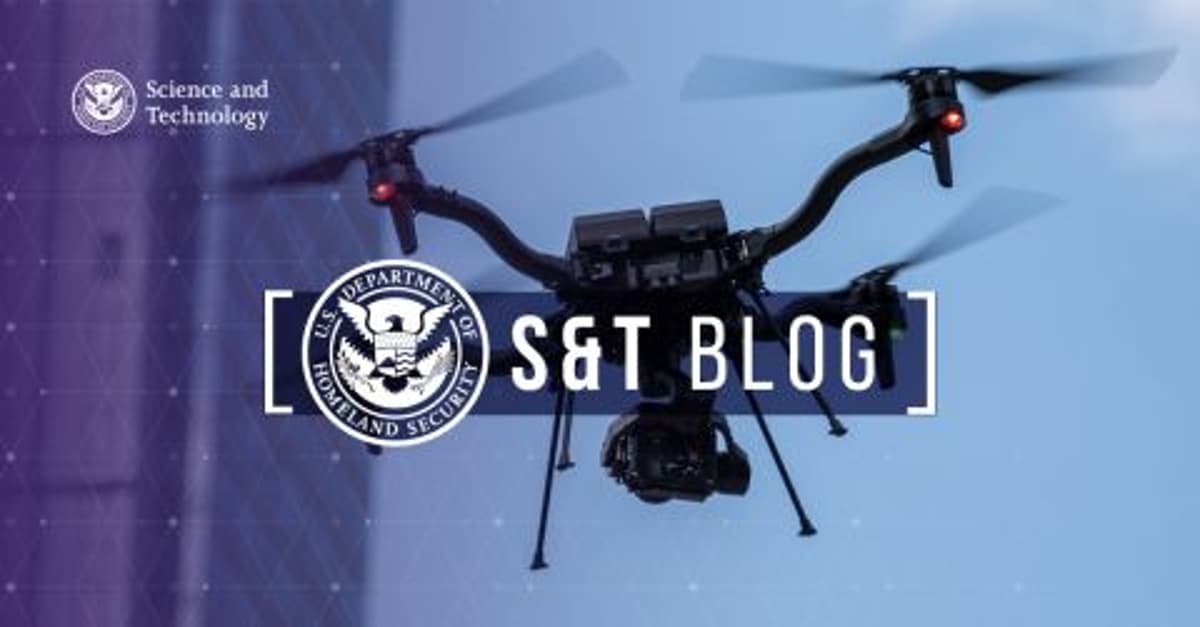
For First Responders, Faster Adoption of Small Unmanned Aircraft Systems Means Stronger Physical Security

Why It Matters
Accelerated drone adoption gives public‑safety agencies faster situational awareness and cost‑effective rescue capabilities, strengthening community protection while reducing operational barriers.
Key Takeaways
- •NUSTL released sUAS Recommendations and Templates for public safety agencies
- •FAA rule changes simplify drone use for first responders
- •Declining component costs make drones more affordable for municipalities
- •Templates address admin, training, safety, and maintenance for rapid deployment
- •Collaboration with urban and rural responders ensures practical, field‑tested guidance
Pulse Analysis
The rapid rise of small unmanned aircraft systems reflects broader trends in consumer electronics, where falling battery, sensor and communication costs have democratized advanced capabilities. For first‑responder agencies, this translates into a low‑cost platform that can deliver real‑time aerial imagery, thermal detection, and rapid area surveys—tools once reserved for military or large‑scale commercial operators. As municipalities grapple with tighter budgets, the economic argument for drones becomes compelling: a single sUAS can replace multiple ground‑based assets while delivering higher fidelity data, ultimately improving response times and saving lives.
NUSTL’s newly published sUAS Program Documentation addresses the practical challenges that fire departments, police units, and emergency medical services face when launching drone initiatives. By offering ready‑made templates covering governance, operator qualifications, safety protocols, and maintenance schedules, the guidance eliminates the steep learning curve associated with aviation regulations. The collaborative development process—drawing insights from both big‑city fire groups and rural emergency teams—ensures the recommendations are grounded in real‑world experience, making the rollout process faster and more reliable for agencies lacking in‑house aviation expertise.
Regulatory evolution plays a pivotal role in this momentum. Recent FAA rule adjustments, such as the waivers for public‑safety operations and streamlined certification pathways, reduce administrative friction and open the door for broader adoption. Coupled with a national push to expand America’s sUAS industry, these policy shifts create a supportive ecosystem for innovation. As more jurisdictions integrate drones into routine patrols, search‑and‑rescue missions, and disaster assessments, the cumulative effect will be a more resilient public‑safety infrastructure capable of responding to emerging threats with agility and precision.
For First Responders, Faster Adoption of Small Unmanned Aircraft Systems Means Stronger Physical Security
Comments
Want to join the conversation?
Loading comments...