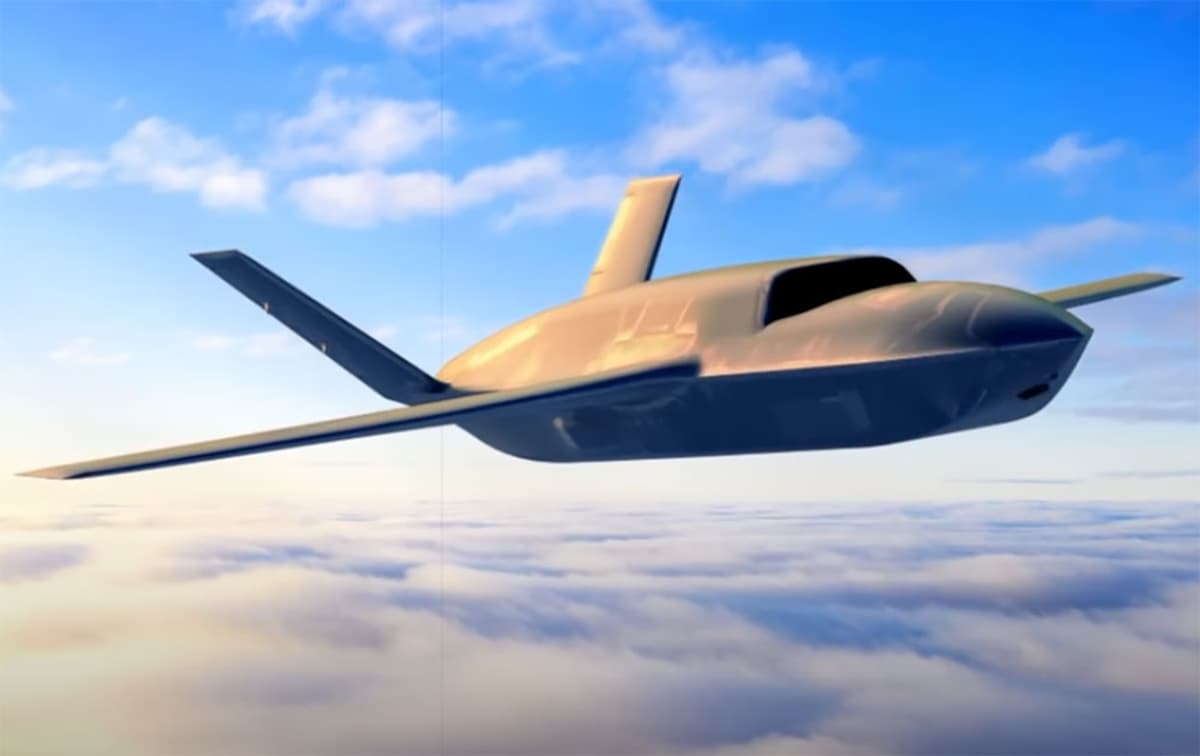
GA-ASI’s YFQ-42A Platform to Support Next-Generation Expeditionary Air Operations
•February 10, 2026
0

Why It Matters
The selection accelerates the Marine Corps’ shift toward affordable, autonomous combat aircraft, enhancing expeditionary strike capability while reducing acquisition risk.
Key Takeaways
- •USMC selects GA-ASI YFQ-42A for MUX TACAIR evaluation.
- •Mission kit adds kinetic and non‑kinetic capabilities.
- •Modular design enables rapid adaptation across services.
- •Autonomy architecture supports human‑machine teaming in contested airspace.
- •First flight validated low‑cost uncrewed fighter concept.
Pulse Analysis
The Marine Corps’ decision to integrate GA‑ASI’s YFQ‑42A into the MUX TACAIR program reflects a broader defense trend toward unmanned, cost‑effective combat platforms. As traditional fighter procurement cycles stretch longer and become more expensive, services are seeking modular solutions that can be fielded quickly. By pairing a government‑provided mission kit with an existing autonomous airframe, the USMC can evaluate capabilities without committing to a full‑scale production line, preserving budget flexibility while still advancing operational concepts.
Technically, the YFQ‑42A embodies a "genus/species" approach: a common core aircraft supports interchangeable mission modules. This modularity reduces redesign time and enables rapid tailoring for kinetic strikes, electronic warfare, or intelligence, surveillance, and reconnaissance missions. GA‑ASI’s proven autonomy stack, demonstrated through multiple live flights, provides the necessary decision‑making bandwidth for human‑machine teaming, allowing pilots to supervise multiple assets in contested environments. The platform’s low‑observable profile and scalable sensor suite further enhance its suitability for expeditionary operations where logistics and runway availability are limited.
Strategically, the contract signals a shift in how the Department of Defense evaluates next‑generation air power. Successful integration could set a precedent for other services, encouraging joint development of shared uncrewed fighter cores. Industry observers anticipate that the YFQ‑42A’s validation will spur competition among UAV manufacturers, potentially driving down costs and accelerating innovation in autonomous combat systems. For the Marine Corps, the ability to field a versatile, affordable CCA could reshape expeditionary doctrine, offering persistent air presence and strike capability without the footprint of manned aircraft.
GA-ASI’s YFQ-42A Platform to Support Next-Generation Expeditionary Air Operations
0
Comments
Want to join the conversation?
Loading comments...