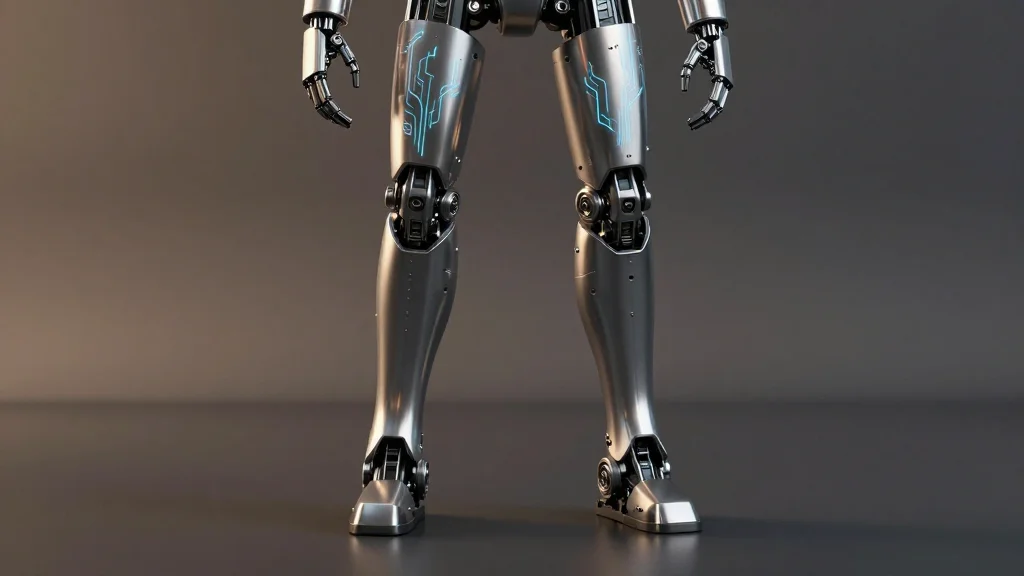
Gen Atlas Preview Showcases Futuristic Robots and Generative AI, Sparking Robotics Buzz

Companies Mentioned
Why It Matters
Gen Atlas demonstrates how generative‑AI can accelerate the creation of complex robotic forms, a capability that could reduce design cycles for actual hardware. By exposing millions of gamers to hyper‑realistic, AI‑crafted robots, the title may also reshape public expectations, making advanced autonomy seem more attainable and driving demand for real‑world robotic solutions. Finally, the collaboration with Epic Games underscores the growing role of game engines as testbeds for robotics, potentially lowering barriers for startups and academic labs to prototype and validate new machines. The preview also raises a strategic question for robotics firms: how quickly can they adopt AI‑generated design pipelines that have already proven effective in entertainment? Companies that integrate similar workflows may gain a competitive edge in speed to market, especially in sectors like manufacturing, logistics, and personal assistance where form factor and aesthetic appeal increasingly matter.
Key Takeaways
- •Gen Atlas preview reveals colossal robot characters built with generative‑AI tools.
- •Director Fumito Ueda emphasizes unique, game‑only experiences that blend surprise with familiarity.
- •Epic Games' Unreal Engine partnership highlights the convergence of game tech and robotics simulation.
- •The game's AI‑driven design pipeline could inspire faster prototyping in real‑world robotics labs.
- •Public exposure to advanced virtual robots may raise consumer expectations for autonomous machines.
Pulse Analysis
The Gen Atlas reveal is a textbook case of cross‑industry fertilization. Historically, game engines have served as low‑cost simulators for robotics, but the integration of generative AI into the asset pipeline marks a qualitative shift. Where traditional pipelines required hand‑crafted models, AI can generate thousands of variations in minutes, enabling designers to explore form and function at a scale previously reserved for software. This capability aligns with the current push in robotics toward rapid iteration—think modular manipulators or soft‑robotic grippers—where design cycles are a bottleneck.
From a market perspective, Epic Games stands to benefit beyond publishing fees. By showcasing the power of Unreal Engine’s AI extensions, Epic positions itself as the de‑facto platform for next‑generation robotics R&D. Startups that already rely on Unreal for simulation may find a smoother path to production, reducing the need for separate CAD and physics tools. Established robotics firms, however, may view this as a competitive threat if they cannot match the speed and visual fidelity that AI‑augmented pipelines deliver.
Looking ahead, the real test will be whether the techniques demonstrated in Gen Atlas can be exported to physical hardware. If robotics labs adopt similar generative workflows, we could see a wave of novel robot morphologies—organic‑looking exoskeletons, adaptive locomotion structures, and more—entering the market within the next few years. The public’s reaction to these virtual robots will also shape demand; a game that makes advanced robotics feel cinematic and accessible could accelerate adoption in sectors ranging from home assistants to industrial automation. In short, Gen Atlas is not just a game preview; it is a signal that the tools shaping virtual worlds are rapidly becoming the tools shaping the physical one.
Gen Atlas preview showcases futuristic robots and generative AI, sparking robotics buzz
Comments
Want to join the conversation?
Loading comments...