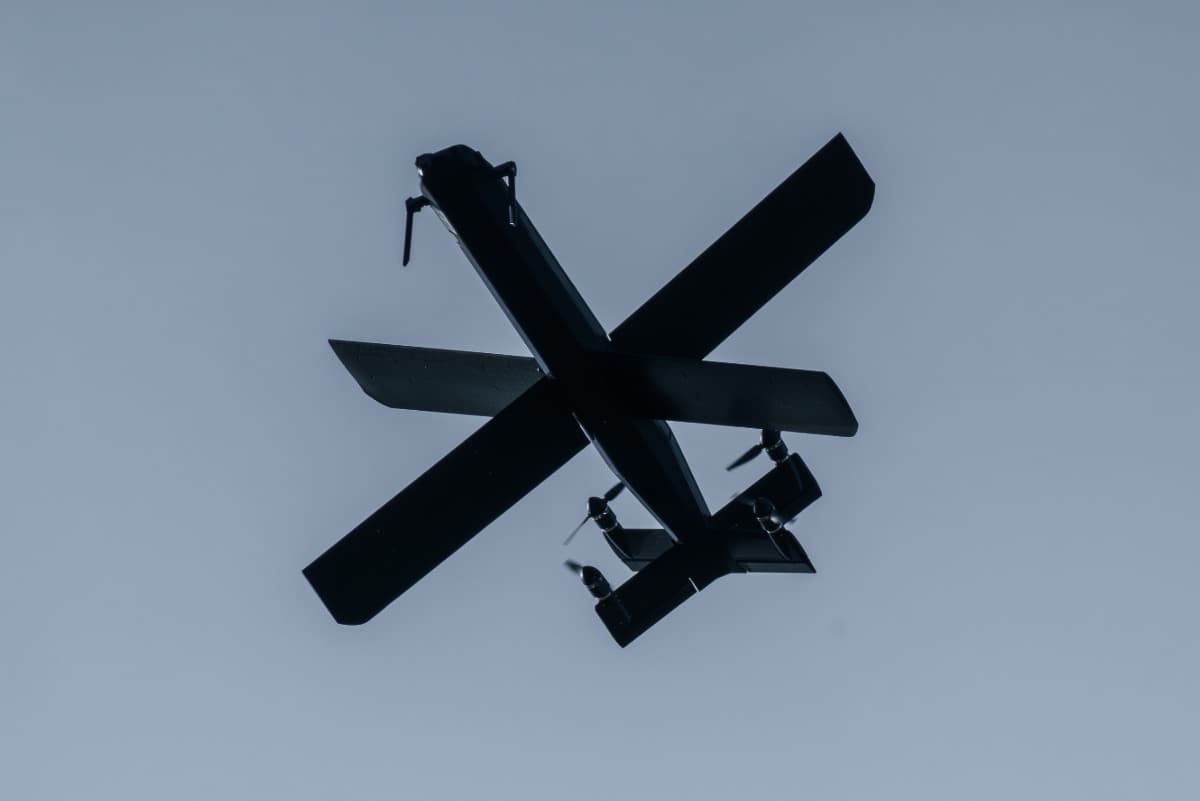
Germany Fields Kamikaze Drone Batteries in Army Artillery Battalions
Companies Mentioned

Why It Matters
The integration of deep‑strike loitering drones gives Germany a rapid, precision option for targeting high‑value assets far behind enemy lines, strengthening NATO’s eastern deterrence and modernising European land combat capabilities.
Key Takeaways
- •Germany to field long‑range loitering munitions 200‑300 km by 2028
- •First LMS batteries assigned to Panzerbrigade 45 and 21 in 2027
- •RCH 155 howitzer and EuroPULS rocket system deliveries start 2028
- •Additional PzH 2000 A4 howitzers procured to replace units sent to Ukraine
- •Corps‑level deep‑strike drones aim to hit logistics and command targets
Pulse Analysis
Germany’s artillery overhaul reflects a broader shift toward networked, precision firepower on Europe’s eastern flank. By embedding loitering‑munition systems at every tactical level, the Bundeswehr creates a seamless spectrum from short‑range battalion LMS units to deep‑strike corps drones. This layered approach not only fills capability gaps left by aging PzH 2000s but also aligns with NATO’s push for rapid, high‑precision strike options that can be deployed without risking manned aircraft.
The new loitering drones, often dubbed "kamikaze" UAVs, combine endurance with pinpoint accuracy, hovering over a target area before diving onto a selected point. Their 200‑300 km reach places them in the operational deep‑strike category, enabling strikes on logistics hubs, command centres, and air‑defence nodes far beyond the front line. Compared with Ukraine’s FP‑2 system, Germany’s upcoming platforms promise greater integration with digital fire‑control networks, allowing commanders to retarget or abort missions mid‑flight, thereby reducing collateral damage and enhancing battlefield flexibility.
For the European defence industry, the programme is a major procurement driver. Suppliers such as Rheinmetall, Helsing and STARK stand to secure multi‑year contracts for LMS batteries, while the RCH 155 and EuroPULS projects sustain production lines for wheeled artillery and rocket systems. The additional PzH 2000 A4 orders not only replace units donated to Kyiv but also keep domestic manufacturing capacity robust. Collectively, these investments bolster Germany’s deterrent posture, signal a commitment to allied readiness, and may spur export opportunities to partner nations seeking similar deep‑strike capabilities.
Germany fields kamikaze drone batteries in army artillery battalions
Comments
Want to join the conversation?
Loading comments...