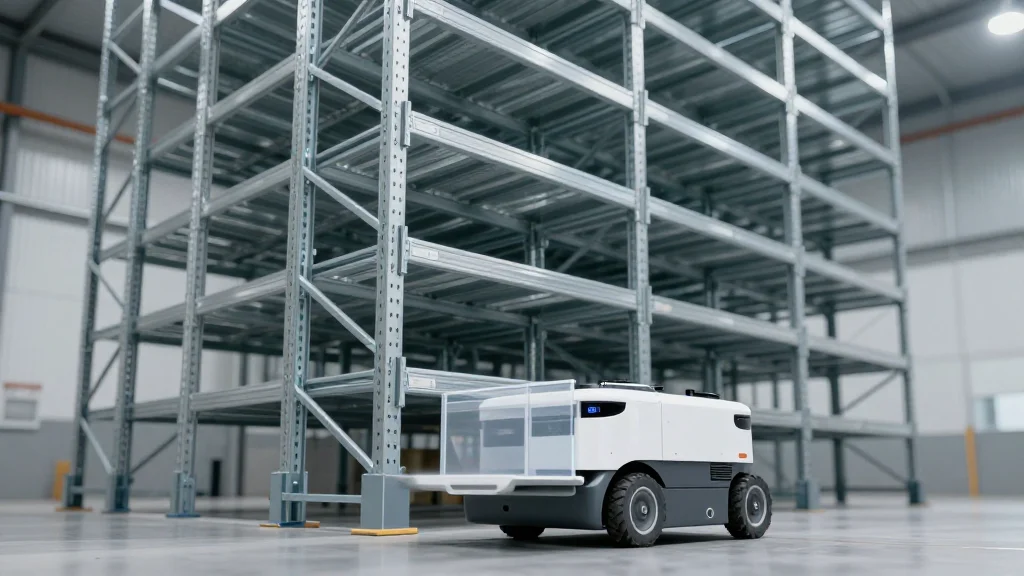
Hai Robotics and Maersk Deploy 10‑Metre High‑Density Logistics Robots in Singapore

Companies Mentioned
Why It Matters
The Hai Robotics‑Maersk deployment demonstrates that high‑density vertical storage no longer forces a trade‑off with speed, a long‑standing barrier for fashion supply chains that juggle large assortments and rapid e‑commerce demand. By proving the concept at scale, the project could catalyze a wave of similar installations across the region, prompting warehouse developers to rethink floor‑space economics and encouraging robotics firms to focus on integrated, data‑centric solutions. For the broader robotics industry, the partnership validates a business model where hardware providers partner with logistics giants to deliver end‑to‑end services rather than selling standalone robots. This could reshape revenue streams, shift R&D priorities toward safety and compliance at height, and accelerate the rollout of AI‑driven optimisation tools that keep dense warehouses running smoothly.
Key Takeaways
- •Hai Robotics and Maersk launched a 10‑metre high‑density robot system in Singapore in February 2026.
- •The system moves more than 1,000 totes per hour, handling tens of thousands of SKUs for fashion fulfilment.
- •Nathan Zeng highlighted the breakthrough of achieving both storage density and throughput at scale.
- •Data‑driven simulations and real‑time analytics guide inventory placement, order sequencing, and maintenance.
- •The model is expected to reduce warehouse space costs by up to 30 % and will be evaluated again in Q3 2026.
Pulse Analysis
Hai Robotics’ collaboration with Maersk marks a strategic pivot from selling isolated automation kits to delivering a full‑stack fulfilment service. Historically, robotics vendors have struggled to break into the logistics market because shippers demand proven ROI and seamless integration with existing warehouse‑management systems. By embedding its A42T robots within Maersk’s digital ecosystem, Hai Robotics sidesteps that barrier, offering a turnkey solution that can be replicated across Maersk’s global network.
The operational data emerging from the Singapore pilot will likely become a new benchmark for the industry. If the promised 1,000‑plus totes per hour throughput holds under real‑world load, it could force competitors—such as Swisslog, Dematic, and GreyOrange—to accelerate their own high‑rise, high‑density offerings. Moreover, the emphasis on safety compliance at heights introduces a niche but critical differentiator; firms that can certify fire‑safe, high‑rise racks will gain a competitive edge in dense urban markets where vertical space is premium.
Looking forward, the partnership may also influence capital allocation in the robotics sector. Investors are increasingly favoring companies that demonstrate clear pathways to revenue through service contracts rather than pure hardware sales. Hai Robotics’ ability to secure a marquee client like Maersk could unlock further funding rounds, enabling it to scale its simulation‑first design methodology. For Maersk, the move reinforces its strategy to own more of the fulfilment value chain, reducing reliance on third‑party warehouse providers and tightening control over end‑to‑end logistics for fashion brands. The success of this deployment could therefore accelerate a broader trend of logistics firms integrating robotics directly into their service portfolios.
Hai Robotics and Maersk Deploy 10‑Metre High‑Density Logistics Robots in Singapore
Comments
Want to join the conversation?
Loading comments...