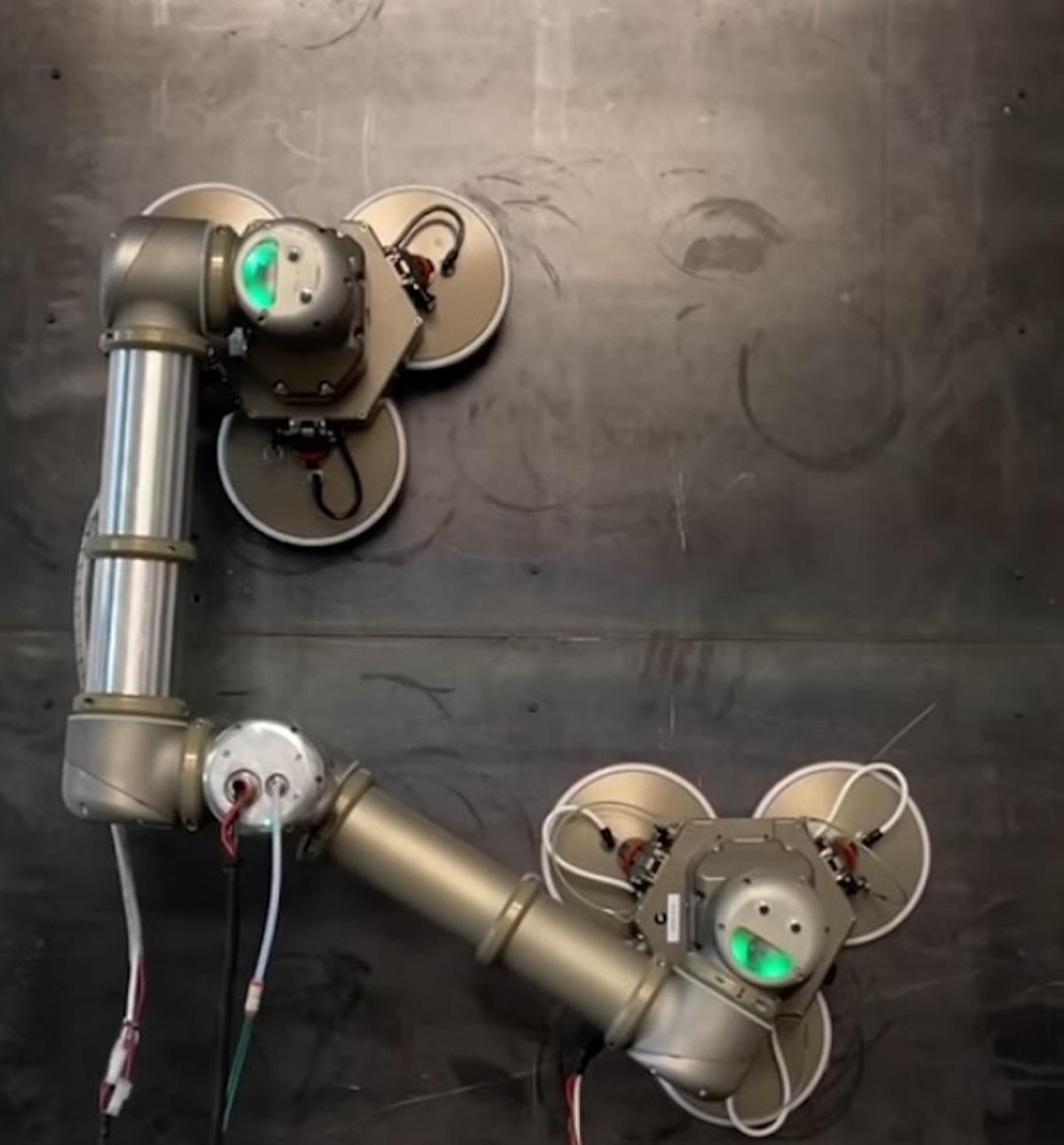
HEBI Robotics Awarded $850,000 Business Contract by NASA
•March 8, 2026
0
Why It Matters
The funding accelerates the availability of radiation‑hardened robotic components, reducing cost and schedule for both NASA’s orbital projects and commercial space ventures. It also creates crossover applications for nuclear inspection and other harsh‑environment industries.
Key Takeaways
- •NASA awards $850K Phase II SBIR to HEBI Robotics.
- •Project targets modular actuators for LEO and GEO missions.
- •Radiation‑hardened hardware benefits space and nuclear sectors.
- •Enables faster, lower‑cost development of space robotic systems.
- •Supports NASA ARMADAS autonomous construction initiatives.
Pulse Analysis
NASA’s Small Business Innovation Research program continues to be a catalyst for niche aerospace technologies, and the latest $850,000 Phase II award to HEBI Robotics exemplifies that trend. By focusing on modular actuation hardware, HEBI is addressing a critical gap in the supply chain for flight‑qualified robotics. The contract not only funds the creation of robust control electronics but also ensures compatibility with existing HEBI ecosystems and third‑party platforms, streamlining integration for satellite servicing and on‑orbit assembly tasks.
Space environments pose extreme challenges: ionizing radiation can degrade electronic components, while the vacuum of orbit eliminates conventional lubricants, leading to outgassing and mechanical failure. HEBI’s approach leverages radiation‑hardened materials and sealed actuator designs to mitigate these risks, delivering reliable motion control for robotic arms that will deploy solar arrays, manipulate payloads, or construct habitats. The technology’s modularity promises rapid reconfiguration, allowing engineers to assemble complex systems without the multi‑million‑dollar development cycles traditionally required for space hardware.
Beyond NASA, the actuation platform has clear terrestrial upside. Industries such as nuclear power, where radiation‑resistant mechanisms are essential for inspection and maintenance, stand to benefit from the same hardened designs. As commercial low‑Earth‑orbit constellations expand and lunar or Martian construction concepts gain traction, demand for affordable, plug‑and‑play robotic components will surge. HEBI’s SBIR success positions the company to capture a growing market at the intersection of space exploration and high‑risk terrestrial applications, reinforcing the strategic value of government‑backed innovation.
HEBI Robotics awarded $850,000 business contract by NASA
0
Comments
Want to join the conversation?
Loading comments...