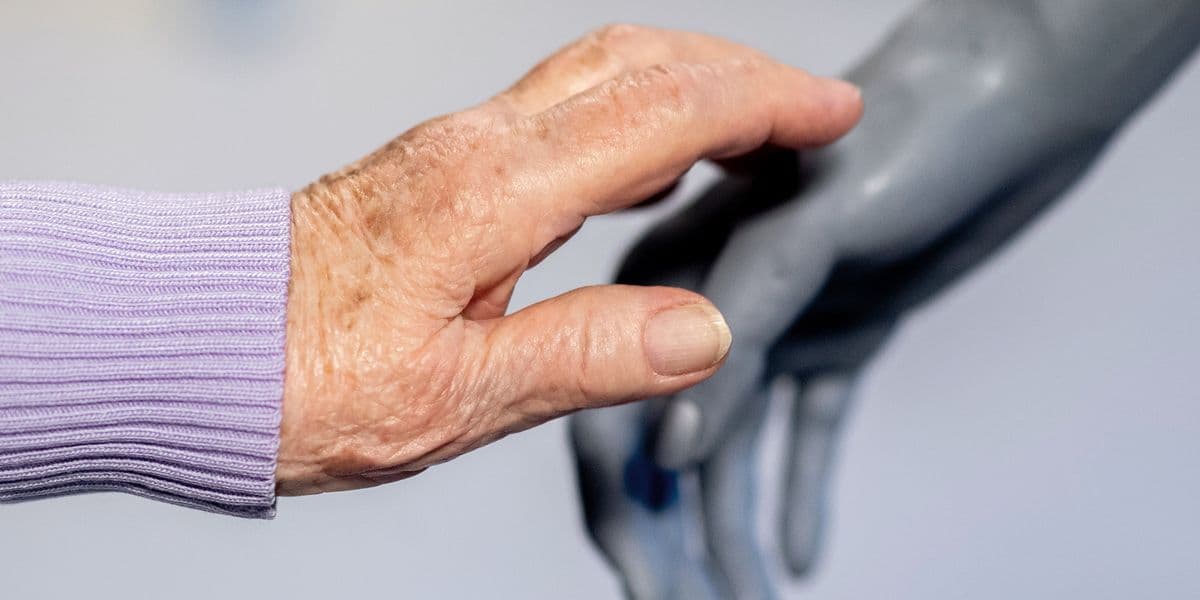
Home Robot Safety Is All About Relationships
Why It Matters
The update will shape safety expectations for a growing market of home care robots, influencing product design, liability, and consumer trust.
Key Takeaways
- •ISO 13482 revision targets domestic humanoid robots entering homes
- •Standard lacks enforceable testing methods for human‑robot relational safety
- •Real‑world training data expose diverse home environments to robot AI
- •Excluding older adults from standards committees risks biased safety criteria
- •Engineers must shift focus from fixed envelopes to system‑level assurance
Pulse Analysis
The International Organization for Standardization’s upcoming revision of ISO 13482 arrives at a pivotal moment for the domestic robotics sector. After more than a decade since its last update, manufacturers are transitioning from laboratory prototypes to commercially viable humanoid assistants that will operate in kitchens, bathrooms, and living rooms. This shift demands a safety framework that reflects real‑world variability rather than the controlled conditions of industrial settings. By redefining acceptable robot behavior for everyday households, the standard aims to provide a baseline that manufacturers, insurers, and regulators can reference as the market expands.
Central to the revision is the recognition that safety is not a static attribute of the machine but an emergent property of the human‑robot relationship. Researchers such as Jae‑Seong Lee argue that current standards address collision avoidance but ignore the feedback loop where a robot’s actions alter human behavior, which in turn reshapes the robot’s perception. The draft therefore calls for risk assessments that incorporate bidirectional coupling and for training datasets that capture the full spectrum of domestic life—from elderly residents to pets and cluttered spaces. Yet it still lacks concrete test protocols and enforceable limits, leaving a regulatory gray zone.
The absence of binding compliance criteria poses both commercial and ethical risks. Products launched under ambiguous safety guidance could embed unexamined assumptions, making later retrofits costly and eroding consumer confidence. Moreover, the standards‑development process has been criticized for under‑representing older adults, whose mobility patterns and cognitive needs are central to many care‑robot use cases. To bridge the gap, industry groups should invite diverse user cohorts into working groups and develop measurable system‑level metrics that capture relational safety. Doing so would not only accelerate market adoption but also ensure that the next generation of home robots is trustworthy and inclusive.
Home Robot Safety Is All About Relationships
Comments
Want to join the conversation?
Loading comments...