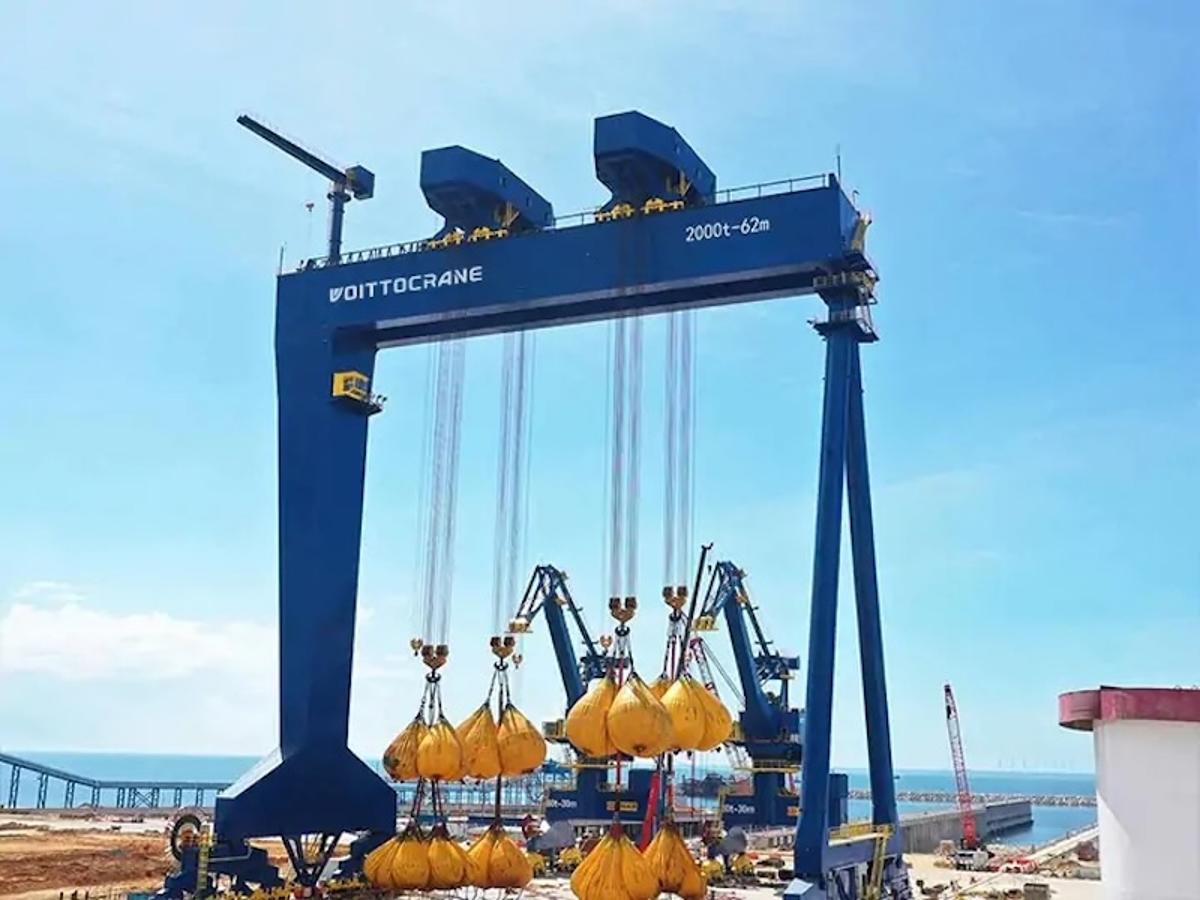
How Automated Container Gantry Cranes Are Reshaping Port Operations in 2026
Why It Matters
The automation wave boosts handling speed, cuts operating costs and emissions, and forces a shift in port labor skills, giving early adopters a clear competitive edge in a congested global supply chain.
Key Takeaways
- •AI anti‑sway cuts crane cycle time by 20%
- •IoT sensors slash unplanned downtime up to 30%
- •Electric cranes lower energy costs 30‑40% versus diesel
- •Automated terminals boost throughput 25‑35% over manual operations
- •Operators transition to remote monitoring, requiring digital skills
Pulse Analysis
Port operators are racing to meet soaring cargo volumes, and automated container gantry cranes have become the linchpin of that effort. By embedding AI algorithms that continuously adjust for load sway, cranes now complete lifts faster and with far fewer collisions, directly translating into the 20% cycle‑time reductions reported across major terminals. Coupled with sensor‑fusion and machine‑vision, these smart machines can be overseen from a single remote control center, allowing operators to manage multiple units simultaneously and dramatically lowering labor intensity.
Environmental pressure is another catalyst accelerating crane modernization. Electric and hybrid gantry models eliminate on‑site diesel combustion, and when paired with renewable grid power they achieve near‑zero carbon footprints. Regenerative braking recaptures energy during lowering operations, contributing to the 30‑40% energy‑cost savings documented by early adopters. This shift not only helps ports comply with tightening emissions regulations in Europe, North America and Asia, but also improves bottom‑line profitability by reducing fuel expenses.
The human element is evolving alongside the machines. Traditional crane operators are being re‑skilled to become remote supervisors, data analysts and maintenance coordinators, a transition supported by comprehensive training programs from manufacturers like Voitto Crane. Emerging technologies such as digital twins enable engineers to simulate crane performance and plan maintenance before physical wear occurs, further enhancing reliability. As fully unmanned remote operation centers move from pilot projects to mainstream deployments, ports that invest now will secure the agility and resilience needed for the next decade of global trade.
How Automated Container Gantry Cranes Are Reshaping Port Operations in 2026
Comments
Want to join the conversation?
Loading comments...