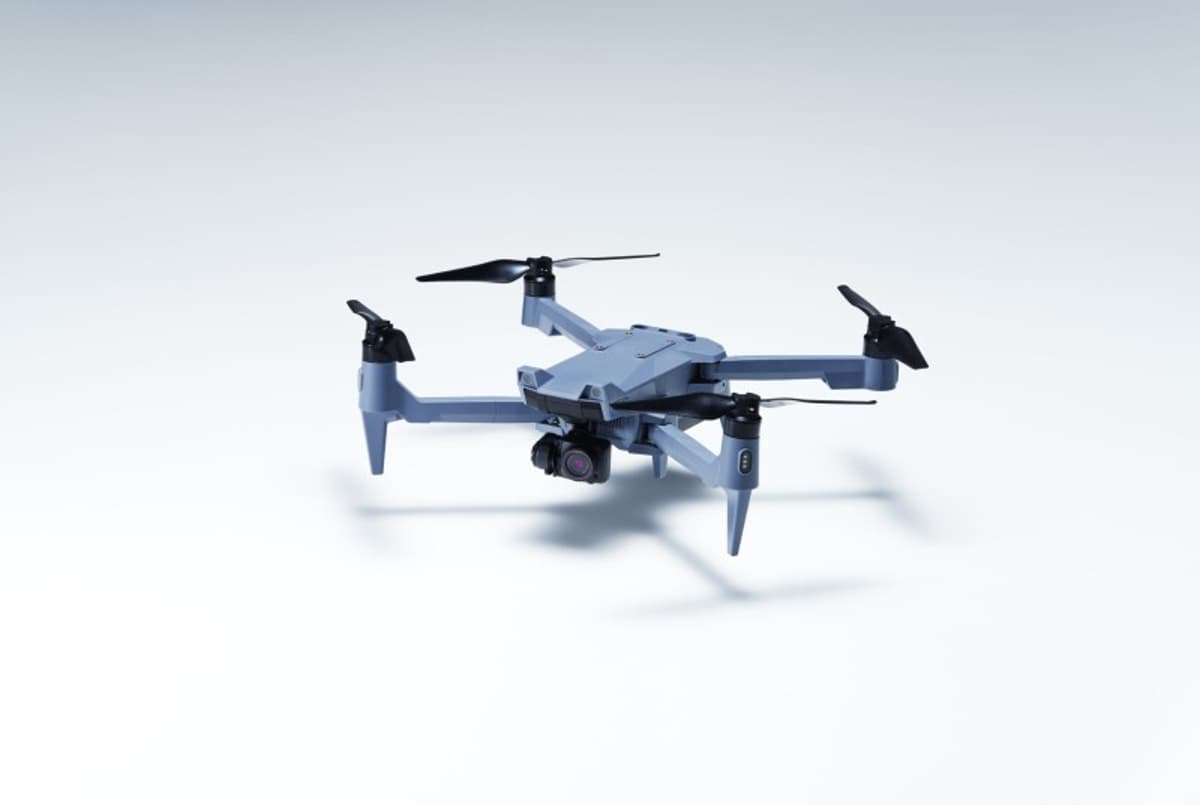
How the Drone Industry Can Help Shape Its Own Future
Companies Mentioned
Why It Matters
A collaborative drone ecosystem reduces dependency on a single supplier, mitigates regulatory risk, and accelerates innovation, securing long‑term market stability.
Key Takeaways
- •Industry fragility stems from reliance on single dominant platform.
- •Collaboration with allies like Japan, Taiwan can diversify supply chains.
- •ACSL integrated its flight controller with Draganfly drones and released an API.
- •New regulatory changes pressure firms to adopt interoperable, secure drone solutions.
- •Customer demand for collaborative partners drives sustainable R&D investment.
Pulse Analysis
The drone sector’s current vulnerability mirrors past technology battles, such as the 1980s U.S.-Japan semiconductor dispute and the recent U.S. mandate to replace Huawei and ZTE gear. In both cases, a narrow supply base led to cost overruns, delayed projects, and security concerns. Today, a handful of manufacturers dominate commercial UAVs, meaning any disruption—whether geopolitical, logistical, or regulatory—can cripple entire fleets. Recognizing this, industry leaders are shifting focus from single‑vendor dominance to a more resilient, multi‑partner model that spreads risk and preserves operational continuity.
Collaboration is emerging as the strategic antidote. By partnering with trusted allies—Japan’s precision manufacturing, Taiwan’s advanced component ecosystem—UAV firms can access diversified supply chains without sacrificing performance or security. This approach also encourages specialization: manufacturers concentrate on airframe design, software firms on mission‑critical applications, and payload developers on sensors and analytics. ACSL exemplifies this shift, offering a proprietary flight controller that can be retrofitted onto various platforms, and opening its ecosystem through an API and SDK. Such openness accelerates integration, shortens development cycles, and invites third‑party innovation, creating a virtuous cycle of shared value.
For operators, the practical payoff is clear. Interoperable drones that adhere to common standards simplify procurement, reduce certification burdens, and enable rapid adaptation to evolving regulations. ACSL’s recent integration with Draganfly and its developer tools illustrate how a collaborative framework can translate into tangible capabilities—custom workflows, automated missions, and seamless data exchange. As regulatory pressure mounts and supply‑chain gaps widen, firms that embrace ecosystem partnerships will likely capture market share, while isolated players risk obsolescence. The industry’s future, therefore, hinges on collective action that balances security, innovation, and sustainable growth.
How the Drone Industry Can Help Shape Its Own Future
Comments
Want to join the conversation?
Loading comments...