How to Cut Parcel Damage in Automated Fulfillment
Why It Matters
Parcel damage erodes profit margins and can trigger costly carrier claim rejections, threatening the economic viability of high‑speed warehouses. Reducing damage through physics‑based controls and insurance safeguards accelerates ROI on automation investments.
Key Takeaways
- •Soft‑stop zones cut robot‑induced parcel impacts.
- •Data‑driven packaging meets ISTA robotic handling standards.
- •Variable‑speed conveyors adjust for parcel weight, reducing stress.
- •Vision cameras create digital chain‑of‑custody evidence.
- •Third‑party coverage like Secursus shields against claim denials.
Pulse Analysis
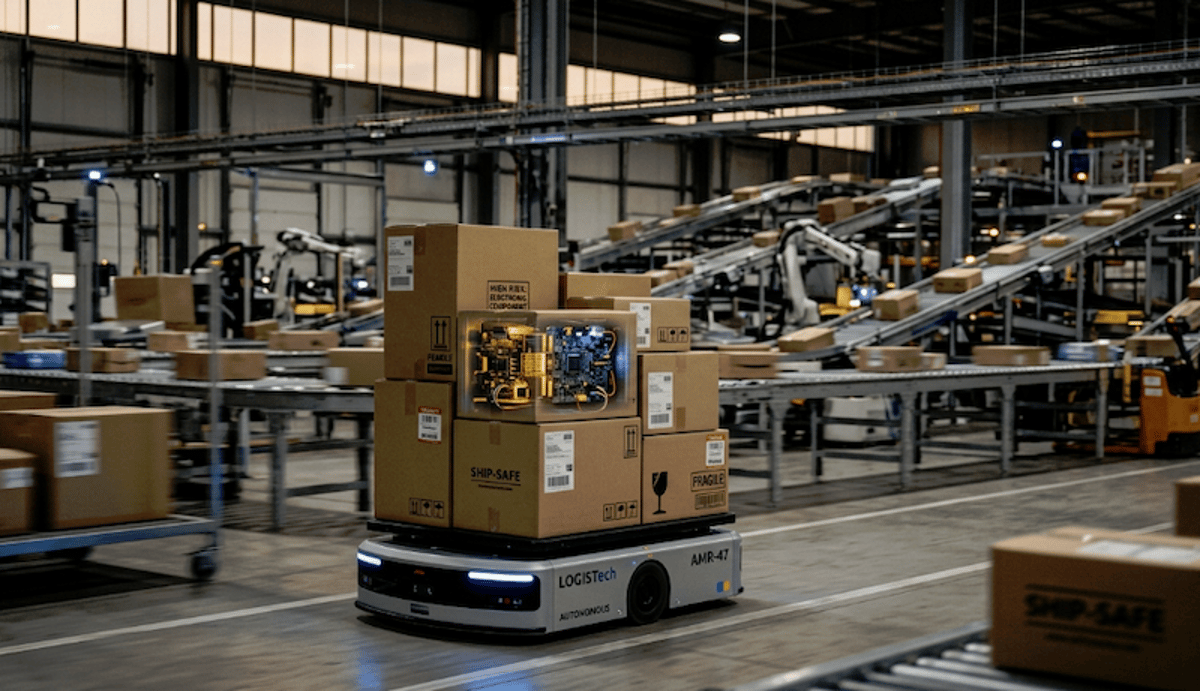
The shift toward fully automated fulfillment centers is reshaping the logistics landscape, but the physics of the warehouse floor often goes unnoticed. High‑velocity AMR movements generate lateral G‑forces that can jostle contents even when boxes remain upright, leading to cumulative damage across thousands of daily parcels. By engineering "soft‑stop" zones and fine‑tuning sensor thresholds, operators can dissipate kinetic energy before it reaches the packaging, turning a potential blender into a precision instrument.
Beyond robot motion, the structural integrity of packaging itself must evolve. Traditional corrugated boxes, designed for human handling, fail under rapid belt transitions and robotic lifts. Adopting data‑driven packaging that complies with updated ISTA standards for robotic handling—such as thicker walls and low‑friction finishes—reduces jam‑induced crushes. Complementary hardware upgrades like cushioned totes, automated friction testing, and variable‑speed conveyor controllers that respond to parcel weight further lower stress points, delivering measurable reductions in damage rates.
Even with optimal engineering, a residual risk remains, prompting the need for financial safeguards. Third‑party protection providers such as Secursus offer coverage that bypasses carrier claim denials tied to packaging adequacy clauses. Coupled with high‑resolution vision systems that log every handoff, firms gain a digital chain‑of‑custody that pinpoints failure zones and supports insurance claims. Together, these technical and risk‑management strategies protect margins, improve customer satisfaction, and accelerate the economic case for a touchless warehouse future.
How to Cut Parcel Damage in Automated Fulfillment
Comments
Want to join the conversation?
Loading comments...