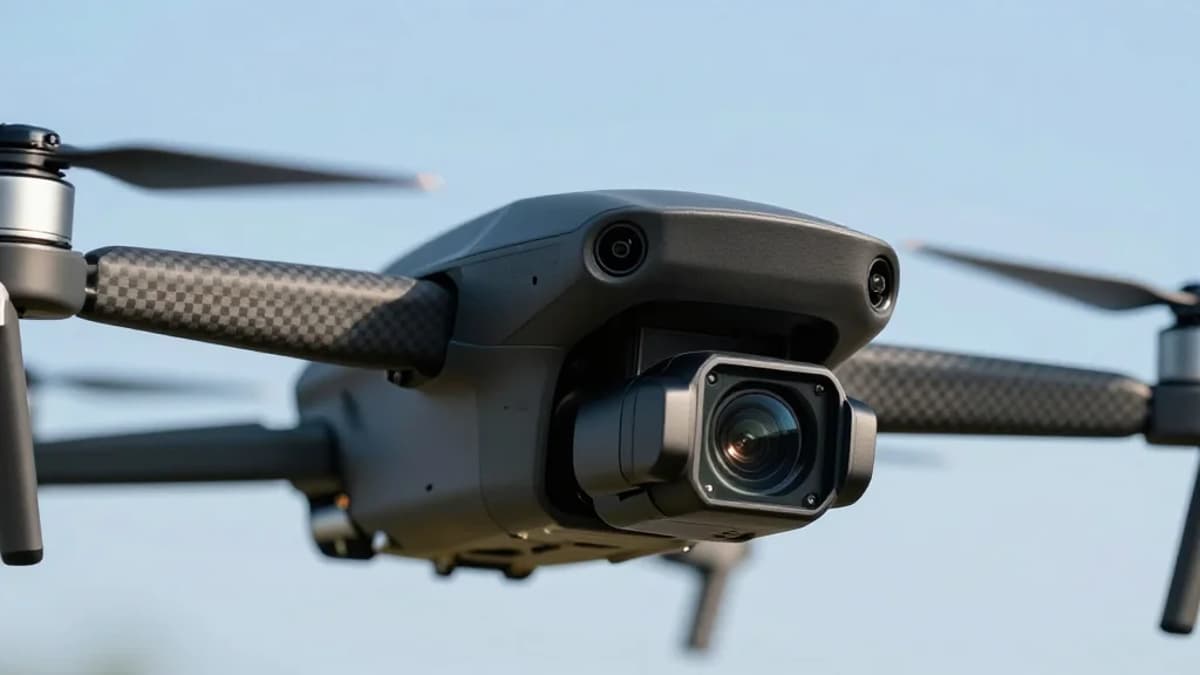
Innoviz Technologies Announces First Sensor-Fusion Colored 3D LiDAR and Camera in InnovizThree
•January 6, 2026
0
Companies Mentioned


Why It Matters
The combined LiDAR‑camera reduces system complexity and cost, accelerating autonomous perception deployment across automotive and emerging robotics markets. This breakthrough positions Innoviz to capture new revenue streams from content‑per‑vehicle and non‑automotive sectors.
Key Takeaways
- •First colored 3D LiDAR with integrated RGB camera.
- •Sensor fusion module 60% smaller than InnovizTwo.
- •Simplifies OEM integration, reduces wiring and calibration.
- •Targets windshield, drones, micro‑robotics, humanoids.
- •Showcased at CES 2026, booth #7318.
Pulse Analysis
The autonomous‑driving ecosystem has long grappled with the challenge of merging disparate sensor data streams into a coherent perception model. Traditional architectures stack separate LiDAR, camera and radar units, inflating vehicle packaging, increasing wiring harness complexity, and demanding extensive calibration. By embedding a high‑resolution RGB camera directly within the LiDAR housing, InnovizThree eliminates the need for parallel sensor mounts, delivering a unified point‑cloud and visual dataset that simplifies data fusion pipelines and reduces latency.
InnovizThree’s compact form factor—60% smaller than its predecessor—targets behind‑the‑windshield installations, a coveted location for automakers seeking sleek designs without compromising sensor performance. Factory‑aligned optics and hardware‑synchronized capture ensure consistent geometric correlation across production units, slashing engineering effort during vehicle integration. OEMs benefit from a single electrical interface, fewer cables, and a streamlined validation process, translating into lower bill‑of‑materials, faster time‑to‑production, and a clearer path to series manufacturing of autonomous systems.
Beyond passenger cars, the integrated LiDAR‑camera module opens doors for drones, micro‑robotics and humanoid platforms that demand lightweight, power‑efficient perception stacks. As the market pivots toward content‑per‑vehicle monetization—such as high‑definition mapping and advanced driver‑assist services—Innoviz’s sensor‑fusion solution positions the company to tap emerging revenue streams and compete with rivals offering separate sensor suites. The CES 2026 showcase will likely accelerate adoption, signaling a shift toward more holistic, cost‑effective perception hardware across the mobility and robotics sectors.
Innoviz Technologies Announces First Sensor-Fusion Colored 3D LiDAR and Camera in InnovizThree
0
Comments
Want to join the conversation?
Loading comments...