Is Silicon Valley Ready to Put Robots in People’s Homes? Hello Robot Is.
Companies Mentioned
Why It Matters
Deploying robots in actual households creates proprietary operational data and a competitive moat that cannot be bought, accelerating the shift from simulation to real‑world AI training. This early‑stage commercialization also opens a new market for assistive technology, addressing a growing demand for independent living solutions.
Key Takeaways
- •Stretch 4 costs $30,000 and ships in a cardboard box
- •First production run sold out, 200‑300 units planned
- •Human‑in‑the‑loop design lets users control tasks via iPhone
- •Real‑home data collection builds a moat beyond IP
Pulse Analysis
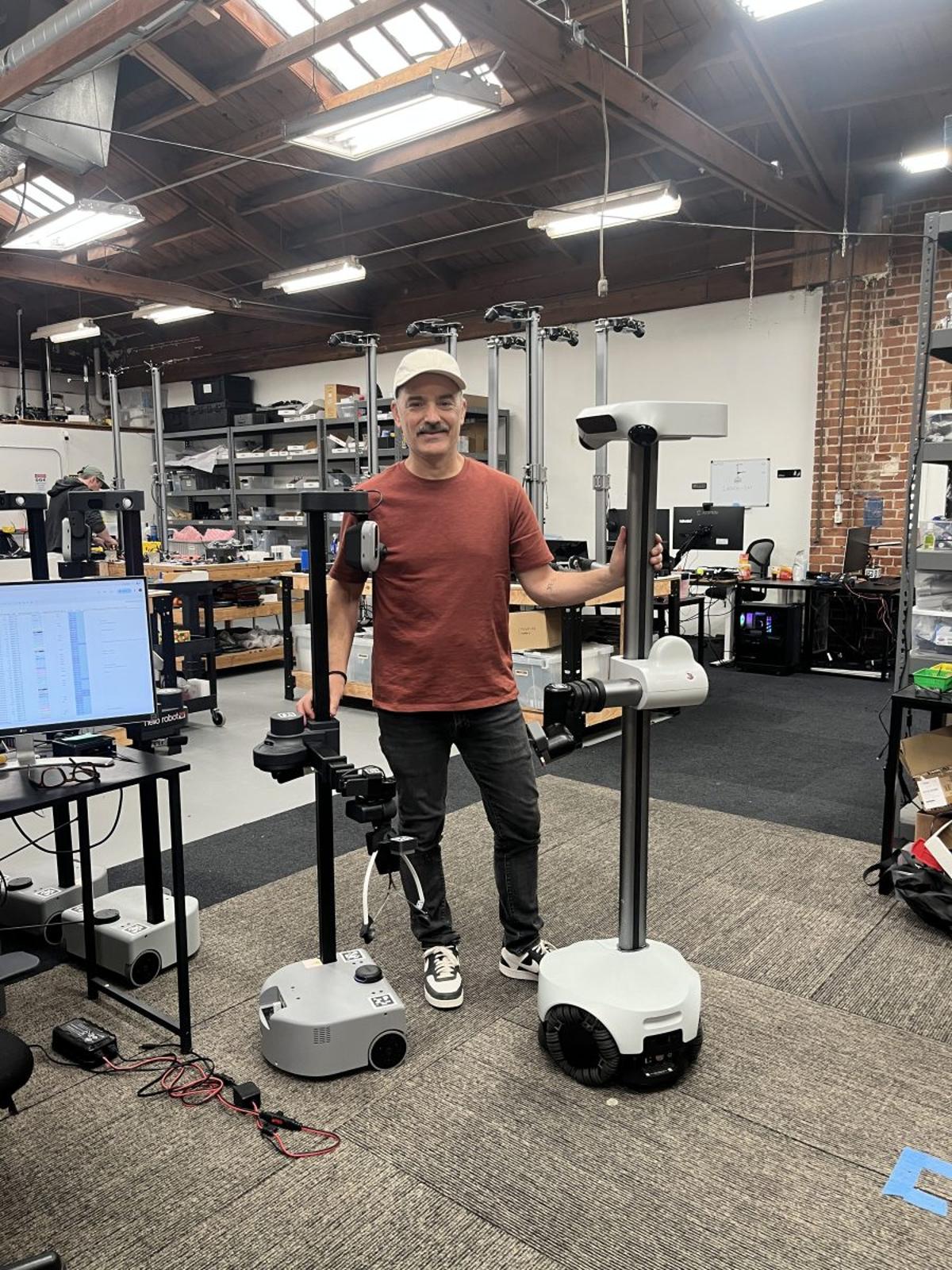
The home‑robot market has long been dominated by glossy prototypes that never leave the lab, but Hello Robot is turning that narrative on its head. Stretch 4 blends a modestly humanoid form factor with a robust sensor suite and a telescoping arm, all mounted on an omnidirectional base that can navigate cluttered living spaces. By pricing the unit at $30,000 and ensuring it can be shipped in a standard cardboard box, the company lowers the barrier for researchers, enterprises, and early adopters, positioning itself as a practical alternative to more expensive, less accessible competitors.
Real‑world deployment is the differentiator that investors are watching closely. Keith Platt, a quadriplegic who uses a voice‑operated iPhone app to command Stretch, has reduced a two‑hour breakfast‑serving routine to a few minutes, illustrating how the robot can restore independence for people with mobility challenges. This hands‑on usage generates valuable, site‑specific data that fuels AI models, creating a moat that rivals cannot replicate through simulation alone. Companies that accumulate operating hours under real‑world liability gain insights into error handling, user behavior, and workflow tolerances that are critical for scaling.
Hardware remains the Achilles’ heel of domestic robotics, with heavy limbs and high‑energy demands limiting agility. Hello Robot’s pragmatic design accepts these constraints, focusing on safety and modularity rather than trying to match the dexterity of industrial arms. The $30,000 price point, while higher than low‑cost Chinese kits, includes sensors and software that would otherwise inflate total cost of ownership. As the first batch sells out and the company iterates on Stretch’s next generation, the combination of affordable hardware, real‑home data collection, and a human‑centric control model could accelerate broader adoption of robot‑human collaboration in households across the United States.
Is Silicon Valley ready to put robots in people’s homes? Hello Robot is.
Comments
Want to join the conversation?
Loading comments...