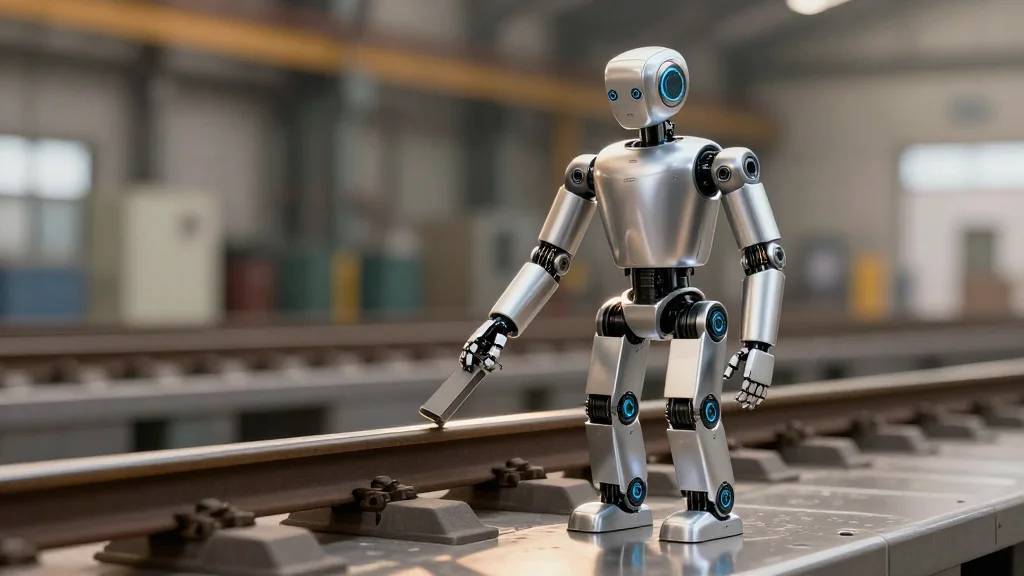
Japanese Robotics Start-Up Seeks Indian Partners to Manufacture Humanoid Robots
Why It Matters
The partnership could accelerate robot adoption in India’s critical infrastructure, boosting safety and productivity while diversifying supply chains away from China.
Key Takeaways
- •Jinki‑Ittai valued at ~₹179 crore ($21 M) seeks Indian manufacturing partners.
- •Subscription model mirrors mobile phone leasing, lowering robot adoption cost.
- •Target sectors: Indian railways and foundries for high‑risk tasks.
- •ICF plans ₹500 crore ($60 M) robotic welding investment for coach production.
- •RIR Power Electronics investing ₹600 crore ($72 M) in SiC devices, replacing Chinese imports.
Pulse Analysis
Jinki‑Ittai’s entry into India reflects a strategic shift in how robotics firms address cost barriers. By offering robots on a subscription basis, the start‑up transforms capital‑intensive equipment into an operational expense, a model that resonates with Indian manufacturers accustomed to leasing heavy machinery. This approach not only broadens market reach but also aligns with the country’s push for flexible, technology‑driven solutions in sectors where human safety is paramount.
India’s manufacturing ecosystem is primed for such collaborations. The Integral Coach Factory’s planned ₹500 crore ($60 M) investment in robotic welding will modernize coach‑shell production, supporting the nation’s goal of exporting rolling stock to the US and EU. Simultaneously, RIR Power Electronics’ ₹600 crore ($72 M) spend on silicon‑carbide devices aims to replace Chinese imports, reinforcing domestic supply chains. Both initiatives signal a readiness to integrate advanced robotics, creating a fertile ground for Jinki‑Ittai’s technology in high‑risk environments like foundries and railway maintenance.
The broader implication is a deepening Indo‑Japanese industrial partnership that could reshape global robotics distribution. As Japan seeks new manufacturing hubs and India strives for self‑reliance, joint ventures can accelerate technology transfer, local job creation, and export potential. This synergy may also spur policy incentives, such as tax breaks for robot‑as‑a‑service models, further embedding robotics into India’s Make-in-India agenda and positioning the country as a regional hub for advanced manufacturing.
Japanese robotics start-up seeks Indian partners to manufacture humanoid robots
Comments
Want to join the conversation?
Loading comments...