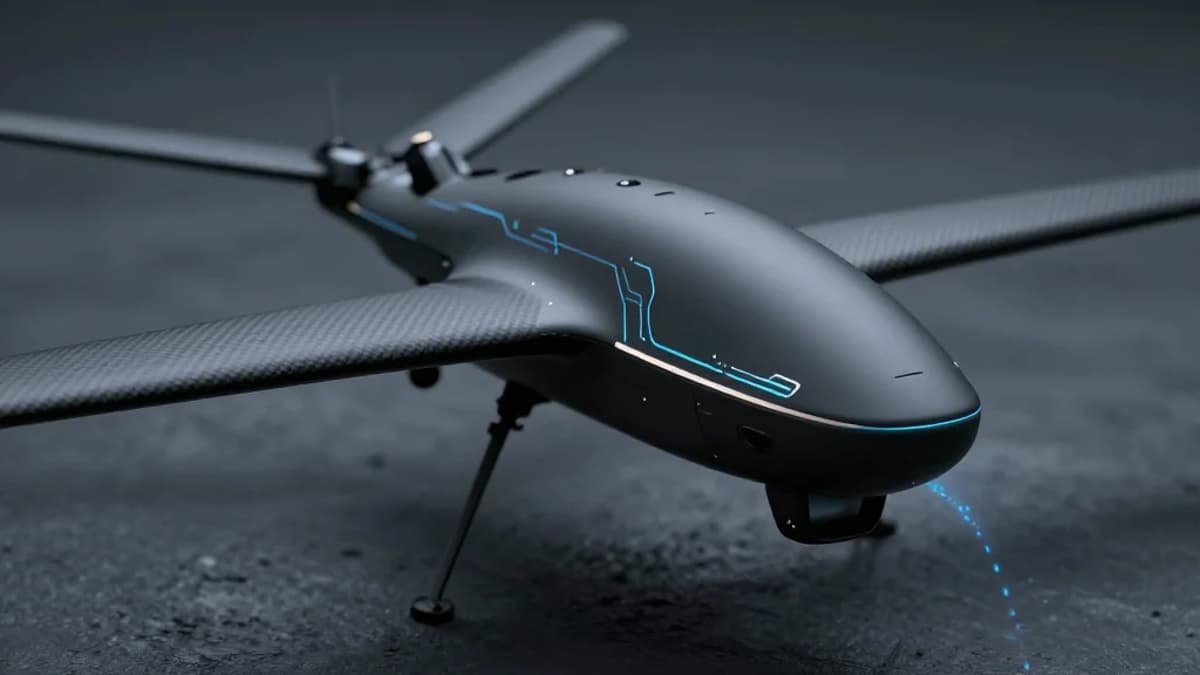
Keeping the Warfighter Safer: How Textron Systems’ New Integration Expands UAS Capability
•January 9, 2026
0

Why It Matters
By giving Aerosonde true BLOS capability, the warfighter gains safer, faster data access and broader ISR reach, lowering operational costs and personnel risk. The move signals a shift toward low‑cost, resilient satellite communications for tactical UAS.
Key Takeaways
- •Low‑SWaP LEO transceiver adds beyond‑line‑of‑sight capability
- •Enables long‑range ISR without costly GEO SATCOM
- •Reduces personnel exposure by centralizing control at TOCs
- •Shrinks ground station footprint, improving deployment agility
- •Enhances cybersecurity for UAS data links
Pulse Analysis
The integration of a low‑SWaP LEO BLOS transceiver into Textron's Aerosonde platform reflects a broader industry push toward proliferated low‑earth‑orbit satellite constellations. Unlike traditional geostationary (GEO) systems, pLEO constellations offer lower latency and reduced signal attenuation, making them ideal for tactical unmanned aircraft that require real‑time data streams in contested environments. By embedding this capability directly into the airframe, Textron sidesteps the need for bulky, power‑hungry ground terminals, aligning the system with modern, agile force structures.
Operationally, the new connectivity unlocks mission profiles previously limited by line‑of‑sight constraints. Long‑range intelligence, surveillance, and reconnaissance (ISR) can now be conducted from remote launch points, feeding high‑resolution imagery and sensor data back to Tactical Operations Centers without relying on expensive GEO bandwidth. This not only expands the reach of small‑group UAS deployments but also reduces the logistical footprint, allowing fewer personnel to manage missions from protected locations. Faster, secure data exchange shortens the OODA loop, enhancing decision‑making speed on the battlefield.
Beyond immediate tactical gains, the Aerosonde upgrade positions Textron as a pioneer in modular, secure UAS communications. The streamlined ground control station and built‑in cybersecurity measures address growing concerns over data integrity in contested spectra. As defense budgets increasingly favor cost‑effective, scalable solutions, the pLEO‑enabled Aerosonde offers a compelling template for future unmanned platforms. Its success could accelerate adoption of low‑cost satellite links across the broader defense ecosystem, reshaping how the military envisions persistent, connected airpower.
Keeping the Warfighter Safer: How Textron Systems’ New Integration Expands UAS Capability
0
Comments
Want to join the conversation?
Loading comments...