Latvia’s Prime Minister Resigns Over Drone Incursions, Highlighting Baltic Air‑Defense Gaps

Why It Matters
The Latvian drone incidents illustrate a broader shift in security strategy: autonomous aerial systems are no longer confined to battlefield use but are now weaponized in hybrid warfare, threatening civilian infrastructure and political stability. As the Baltic states grapple with limited air‑defence assets, the need for rapid, AI‑enabled counter‑UAV solutions becomes a strategic imperative, influencing defence procurement across NATO’s eastern flank. Furthermore, the political fallout in Latvia demonstrates how failures in robotics‑based defence can precipitate governmental crises, potentially reshaping electoral dynamics and prompting a reevaluation of defence spending priorities throughout the EU. The incident may accelerate collaborative procurement of anti‑drone technologies, fostering a regional market for advanced UAV detection and interception platforms.
Key Takeaways
- •Prime Minister Evika Siliņa resigns after coalition collapse triggered by drone incident.
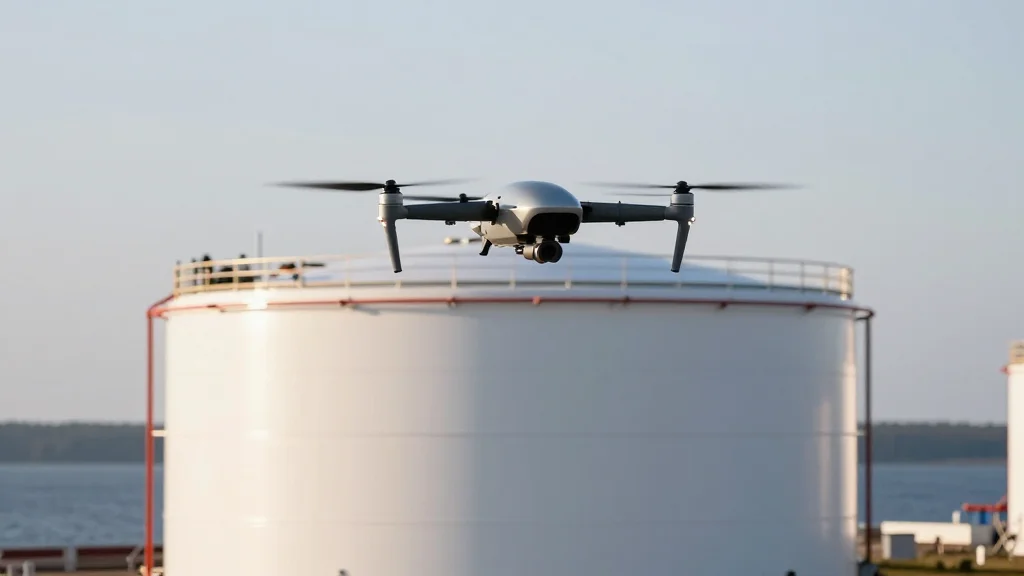
- •Two Ukrainian drones exploded at an oil storage facility in eastern Latvia on May 7.
- •Defence spending in Latvia is nearly 5 % of GDP, the highest in the EU.
- •Coalition lost its majority, leaving the government with 41 of 100 parliamentary seats.
- •NATO and Ukraine pledge technical assistance to build a multi‑layered air‑defence system.
Pulse Analysis
Latvia’s abrupt political shift underscores a new reality where robotics—specifically unmanned aerial systems—directly influence governance. Historically, air‑defence planning in the Baltics focused on conventional aircraft and missile threats. The stray drone episodes, however, expose a vulnerability to low‑cost, autonomous platforms that can bypass traditional radar nets and strike critical infrastructure with minimal warning. This forces a doctrinal pivot: defence ministries must now integrate AI‑driven sensor fusion and rapid‑response interceptor drones, technologies that were previously considered niche.
The regional market for anti‑drone solutions is poised for rapid expansion. Companies that can deliver scalable, networked detection systems—combining radar, electro‑optical tracking, and electronic‑countermeasure capabilities—stand to capture contracts not only from Latvia but also from neighboring Estonia, Lithuania, and Poland, all of which have voiced similar concerns. Moreover, the political cost of a perceived security lapse, as seen in Riga, may drive governments to allocate a larger share of their defence budgets to these systems, potentially reshaping the European defence industrial base.
Looking ahead, the integration of autonomous defence assets will likely become a prerequisite for NATO’s collective security framework in the region. Joint exercises, shared data links, and cross‑border command structures will be essential to counter a wave of hybrid threats that blend conventional warfare with robotic incursions. Latvia’s crisis serves as a cautionary tale: without robust, AI‑enabled air‑defence, even a small nation can face political upheaval, making the race to secure the skies a matter of both national security and democratic stability.
Latvia’s Prime Minister Resigns Over Drone Incursions, Highlighting Baltic Air‑Defense Gaps
Comments
Want to join the conversation?
Loading comments...