Learn the Ins and Outs of Drone Thermography From Pilot Institute
Why It Matters
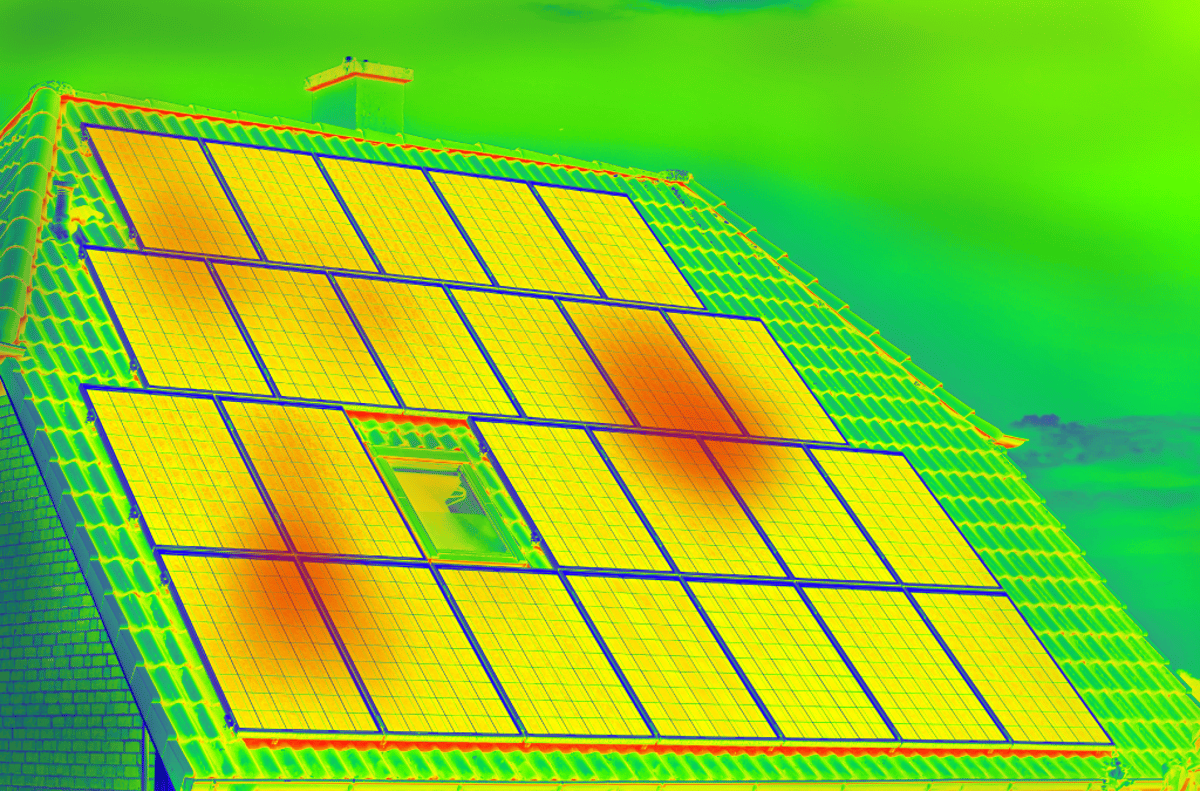
Thermal imaging adds high‑value diagnostic capability to drone services, enabling pilots to command premium fees and differentiate themselves in competitive markets. Mastery of data interpretation turns raw images into actionable insights that clients, such as solar farm operators, demand.
Key Takeaways
- •Drone thermography demand rising in construction, energy, agriculture
- •Pilot Institute webinar offers free fundamentals on June 2
- •Entry-level thermal cameras cost $8k‑$10k; older models suffice
- •Data analysis differentiates service providers from basic image collectors
Pulse Analysis
The drone‑based thermography market is on a rapid ascent, driven by the need for precise, non‑intrusive inspections across sectors like solar energy, power transmission, and precision agriculture. As utilities seek to pinpoint hot‑spot failures and farmers aim to monitor livestock health, thermal data provides actionable intelligence that traditional visual surveys cannot. Industry analysts project double‑digit growth through 2028, positioning thermal imaging as a core revenue stream for commercial UAV operators.
Skill development is the linchpin of this emerging niche. Pilot Institute’s upcoming free webinar, featuring Level 3 Master Thermographer Jason Wood, addresses the knowledge gap by demystifying how infrared sensors capture temperature differentials and how pilots can translate those readings into client‑ready reports. Effective analysis separates a premium service from a simple photo dump; clients expect clear diagnostics, such as identifying underperforming solar panels and recommending corrective actions. By mastering both acquisition and interpretation, pilots can expand their service portfolios and command higher rates.
Equipment selection balances capability with cost efficiency. While entry‑level thermal cameras range from $8,000 to $10,000, many operators achieve professional results with two‑year‑old units from reputable manufacturers, avoiding premature over‑investment. Aligning sensor choice with a defined market segment—whether utility line inspections or agricultural health assessments—optimizes return on investment. As the industry matures, we anticipate tighter integration of AI‑driven analytics, further elevating the value proposition for UAV service providers who invest early in thermography expertise.
Learn the Ins and Outs of Drone Thermography from Pilot Institute
Comments
Want to join the conversation?
Loading comments...