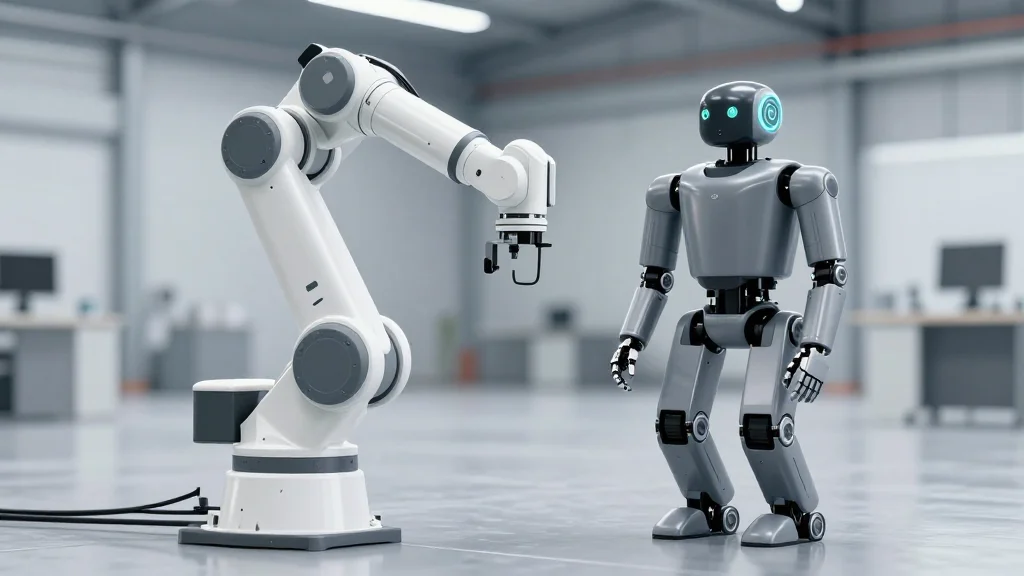
Linamar Moves Into Robotics with New Cobots and Humanoid Line

Why It Matters
Linamar’s diversification into robotics illustrates how traditional manufacturers are repurposing existing capabilities to capture growth in automation. By entering both the collaborative cobot and humanoid segments, the company targets a spectrum of industrial use cases, from simple pick‑and‑place to complex, adaptive tasks. Success could inspire other component suppliers to pursue similar strategies, accelerating the diffusion of robotics across mid‑size factories. The initiative also raises competitive questions for established robot vendors such as FANUC, ABB, and Universal Robots, which may need to defend market share against newcomers that can offer integrated hardware and supply‑chain efficiencies. Moreover, Linamar’s focus on in‑house development suggests a willingness to invest heavily in R&D, potentially reshaping the competitive dynamics of the robotics ecosystem.
Key Takeaways
- •Linamar, traditionally an auto‑parts supplier, announced in‑house development of collaborative cobots.
- •The company is also creating a humanoid robot platform for advanced industrial tasks.
- •Robotics offerings will leverage Linamar’s precision CNC machining and injection‑molding capabilities.
- •Launch timelines are not disclosed, but cobots are expected within 12 months and humanoids in a longer horizon.
- •The move aligns with a projected double‑digit growth rate in the global robotics market through 2030.
Pulse Analysis
Linamar’s foray into robotics is a textbook example of vertical integration meeting market disruption. Historically, the firm’s strength has been in high‑volume, high‑precision component production for OEMs. By redirecting those capabilities toward low‑volume, high‑mix robot hardware, Linamar can exploit economies of scale that pure‑play robot firms lack. This could translate into lower unit costs for cobots, a price segment that has seen intense competition from Chinese manufacturers.
From a strategic perspective, the humanoid effort signals an ambition to move beyond the incremental automation of today’s factories into the next wave of adaptable, AI‑enabled machines. While the market for humanoid robots remains nascent, early entrants can set standards for safety, perception, and modularity. Linamar’s engineering pedigree may give it an edge in building robust mechanical systems, but success will hinge on software integration—a domain where partnerships or acquisitions may become necessary.
Investors should monitor Linamar’s capital allocation in the coming quarters. If the company earmarks a significant R&D budget or announces joint ventures with AI firms, it could accelerate time‑to‑market and improve the commercial viability of its robot line. Conversely, a lack of clear milestones may suggest the initiative is still exploratory, limiting short‑term upside. Overall, Linamar’s robotics push could reshape its revenue mix and influence how other legacy manufacturers view automation as a growth engine.
Linamar Moves Into Robotics with New Cobots and Humanoid Line
Comments
Want to join the conversation?
Loading comments...