MassRobotics Reveals 11 Startups to Take Part in 5th Healthcare Robotics Startup Catalyst Program
•February 1, 2026
0
Companies Mentioned


Why It Matters
Accelerating diverse robotic innovations shortens time‑to‑market, addressing labor shortages and cost pressures in hospitals and labs. The program’s integrated clinical and regulatory mentorship boosts commercial viability, attracting investors to a high‑growth healthcare segment.
Key Takeaways
- •11 startups selected for 2026 Healthcare Robotics Catalyst
- •Program offers five‑month mentorship with corporate and clinical experts
- •Solutions span lab automation, AI dentistry, surgical robotics
- •Medical Advisory Board ensures clinical relevance and safety
- •Final showcase at Boston Robotics Summit attracts investors
Pulse Analysis
The healthcare sector is confronting mounting pressure to improve efficiency while containing costs, prompting a surge in robotic automation investments. Market analysts project the global medical robotics market to exceed $30 billion by 2030, driven by demand for precision surgery, laboratory throughput, and workforce augmentation. Accelerators like MassRobotics’ Startup Catalyst play a pivotal role by de‑risking early‑stage technologies, providing access to capital, regulatory guidance, and a network of industry veterans that most fledgling firms lack.
This year’s cohort exemplifies the breadth of innovation reshaping clinical environments. From Concerto Biosciences’ high‑throughput microbial platform to Hesy Tech’s AI‑guided dental hygiene robot, each startup tackles a distinct bottleneck—whether it’s data‑driven prosthetic selection, autonomous pharmacy sorting, or tactile sensing for prosthetics. By embedding a Medical Advisory Board into the curriculum, the program ensures that prototypes align with real‑world workflows and meet stringent safety standards, a critical step for FDA clearance and hospital adoption.
For investors and corporate partners, the catalyst offers a curated pipeline of validated solutions ready for scale. The hybrid mentorship model, culminating in a high‑visibility showcase at the Boston Robotics Summit, creates immediate deal flow opportunities and fosters collaborative R&D across sectors. As labor shortages persist and hospitals seek cost‑effective automation, the startups emerging from this program are positioned to capture market share, driving the next wave of growth in healthcare robotics.
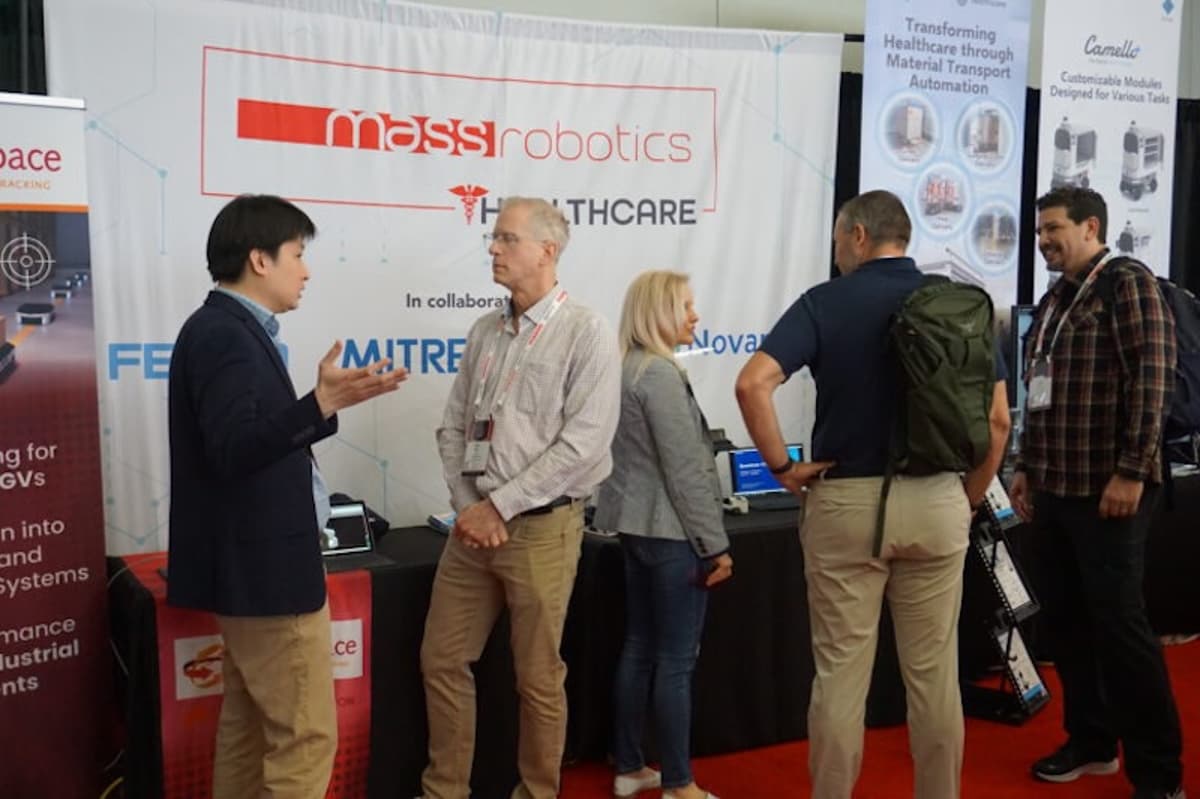
MassRobotics reveals 11 startups to take part in 5th Healthcare Robotics Startup Catalyst Program
0
Comments
Want to join the conversation?
Loading comments...