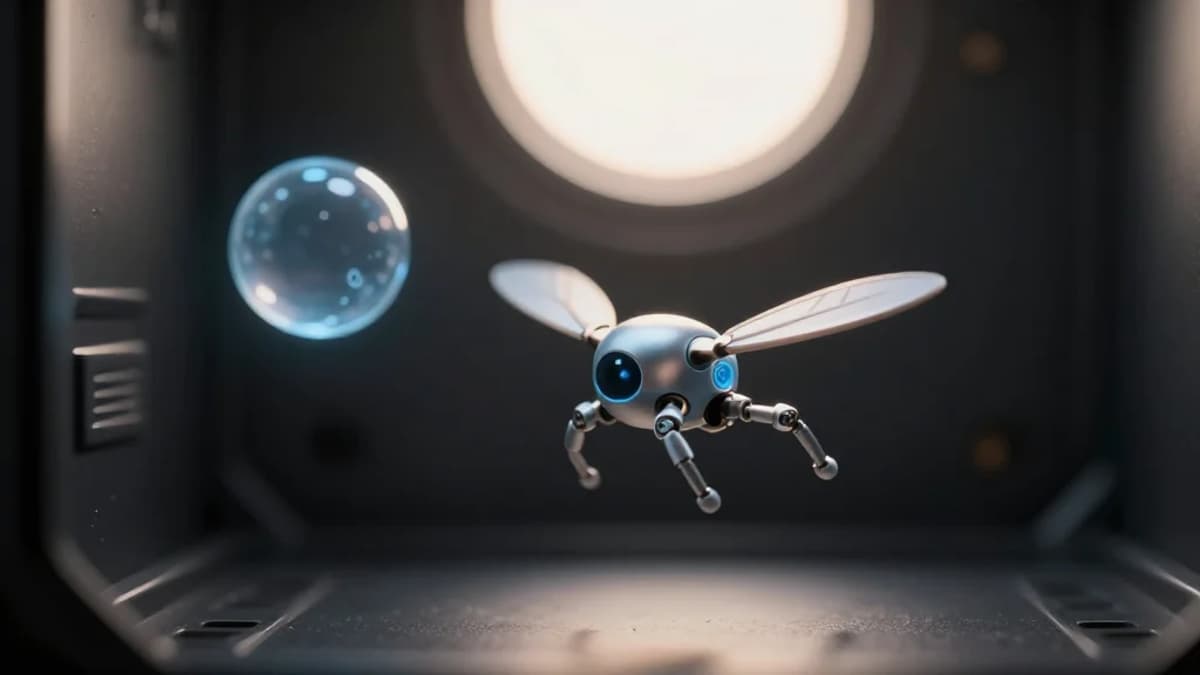
Micro Nano Robots Aim to Cut Carbon Buildup in Closed Life Support Systems
•January 19, 2026
0
Why It Matters
The technology offers low‑energy, high‑efficiency CO₂ management for life‑support systems, reducing reliance on bulky chemical scrubbers and enhancing crew safety in confined habitats.
Key Takeaways
- •Robots capture 6.19 mmol CO₂ per gram sorbent
- •Regeneration occurs at only 55 °C temperature
- •Solar-driven motion prevents local overheating in closed systems
- •Retain over 90% capacity after ten regeneration cycles
- •Antimicrobial layer inhibits >98% microbial growth
Pulse Analysis
Carbon control is a perennial challenge for closed habitats, from orbital stations to deep‑sea vessels. Traditional scrubbers rely on heavy, energy‑intensive chemicals that must be periodically replaced, limiting mission duration and payload efficiency. The newly demonstrated micro‑nano reconfigurable robots (MNRM) sidestep these constraints by harvesting ambient solar energy—even at low irradiance levels—to power both CO₂ capture and autonomous dispersion. Their photothermal layer, combined with magnetic steering, creates a self‑organizing swarm that evenly samples the atmosphere, avoiding hot spots and ensuring consistent performance across the system.
Performance data underline the robots' practicality: a capture capacity of 6.19 mmol per gram and regeneration at a modest 55 °C translate to minimal thermal load on surrounding equipment. After ten hydrothermal cycles, the sorbents retain 94% of their original capacity, while exposure to simulated sunlight preserves 91.6% efficiency. The antimicrobial coating, which suppresses over 98% of common pathogens, adds a critical hygiene safeguard for long‑duration missions where microbial proliferation can jeopardize both health and hardware. In life‑support simulations, CO₂ concentrations stayed below 2 %, and mouse lung tissue showed negligible damage, confirming the system’s physiological compatibility.
Looking ahead, integrating MNRM into compact cartridge modules could revolutionize life‑support architecture for crewed spacecraft, autonomous underwater vehicles and emergency shelters. By reducing mass, power draw, and consumable turnover, the technology aligns with industry trends toward sustainable, reusable infrastructure. Commercialization pathways may include partnerships with aerospace OEMs and defense contractors seeking lightweight environmental control solutions. As regulatory bodies tighten standards for closed‑environment air quality, the MNRM platform positions itself as a versatile, high‑impact contender in the next generation of carbon‑management technologies.
Micro nano robots aim to cut carbon buildup in closed life support systems
0
Comments
Want to join the conversation?
Loading comments...