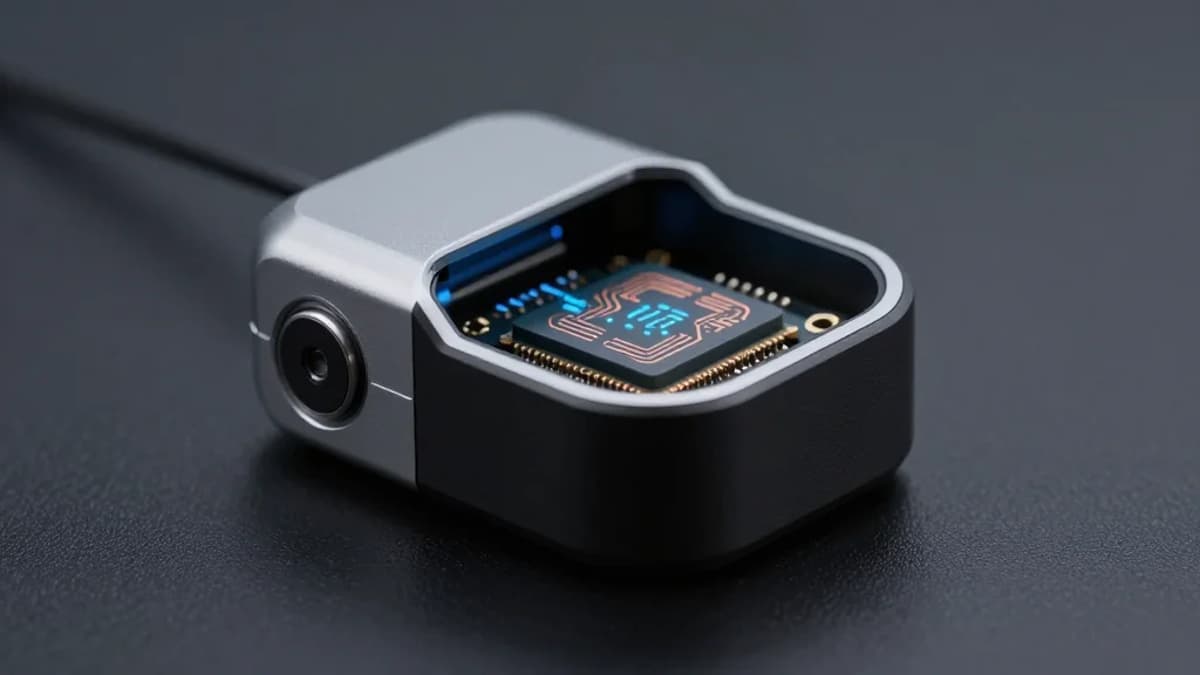
MIPS and INOVA Collaborate to Put Physical AI Into the Palm of Robotic Hands with New Reference Platform
•March 9, 2026
0
Companies Mentioned
Why It Matters
The platform delivers a scalable, secure compute backbone that can accelerate time‑to‑market for advanced robotics, lowering development risk and cost for manufacturers.
Key Takeaways
- •MIPS and Inova launch Physical AI reference SoC
- •Platform targets humanoid and edge robotics applications
- •Combines RISC‑V compute with high‑speed APXpress interconnect
- •Built on GlobalFoundries FDX ultra‑low‑power process
- •Cuts BOM cost and accelerates development cycles
Pulse Analysis
Physical AI is emerging as the linchpin for next‑generation robots that must process sensor data, make decisions, and act in real time without relying on cloud connectivity. Traditional designs fragment compute, communication, and power management across multiple chips, inflating bill‑of‑materials and latency. By consolidating these functions into a single, purpose‑built SoC, developers can meet the stringent size, weight, and power constraints of humanoid limbs while preserving deterministic performance required for safety‑critical tasks.
The MIPS‑Inova collaboration leverages complementary strengths: MIPS contributes open‑source RISC‑V cores, AI accelerators, and mixed‑signal blocks, while Inova supplies its APXpress zonal interconnect capable of 32 Gbps across 500 channels. Fabricated on GlobalFoundries’ FDX node, the silicon delivers ultra‑low power consumption, essential for battery‑operated robots. The reference platform also embeds secure boot and on‑device AI protection, addressing growing concerns over data integrity in autonomous systems. By offering a standards‑based, open architecture, the solution reduces software integration effort and enables rapid iteration of vision‑language‑action models via the Atlas Explorer co‑design environment.
For the robotics ecosystem, this reference design could become a de‑facto blueprint, encouraging broader adoption of Physical AI across industrial, service, and consumer robots. Manufacturers can transition from prototype to production faster, leveraging a proven hardware stack that mitigates supply‑chain risk and accelerates regulatory compliance. As humanoid platforms scale, the combination of high‑speed communication, mixed‑criticality compute, and low‑power operation positions the MIPS‑Inova platform to shape the future of edge‑centric AI robotics.
MIPS and INOVA Collaborate to put Physical AI into the palm of Robotic hands with new Reference Platform
0
Comments
Want to join the conversation?
Loading comments...