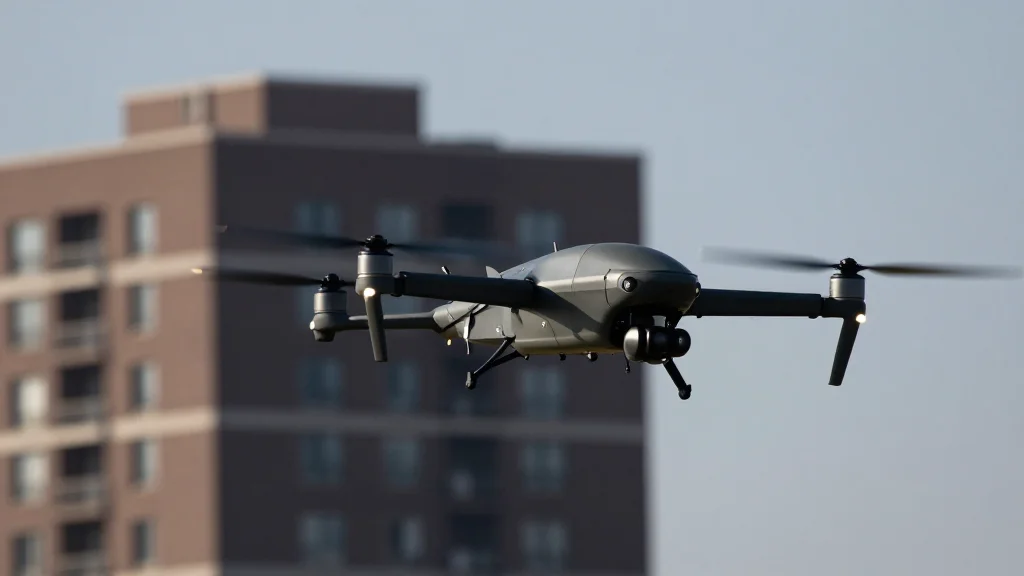
MLB Umpire Injury Revives Push for Robot-Assisted Review System

Why It Matters
The Bucknor incident spotlights a pivotal moment where robotics intersect with a legacy sport. A robot‑assisted review system could dramatically lower the error rate in critical calls, enhancing fairness and potentially reducing injury risk for officials who must position themselves in high‑velocity play zones. Beyond the field, the adoption of such technology would signal a broader acceptance of AI‑driven decision‑making across entertainment and public safety sectors, setting precedents for regulatory frameworks and liability standards. Furthermore, the financial stakes are significant. A league‑wide rollout would generate sustained revenue streams for robotics vendors, spur job creation in sensor integration and data analytics, and could inspire similar upgrades in other professional leagues. The outcome will shape how quickly AI and robotics become embedded in live‑sport ecosystems, influencing fan experience, broadcast analytics, and the future of officiating.
Key Takeaways
- •Umpire CB Bucknor sidelined after a 100.2‑mph foul‑tip shattered his mask on April 1, 2026.
- •MLB’s Automated Ball‑Strike (ABS) system logged 41 challenges with a 71% success rate for catcher Will Smith.
- •Ken Rosenthal confirmed Bucknor’s absence is health‑related, not disciplinary.
- •Players and analysts are urging MLB to adopt a robot‑assisted review system for real‑time safety and call verification.
- •Robotics firms estimate a potential $10‑$20 million contract for a league‑wide automated review platform.
Pulse Analysis
The Bucknor episode is less about a single injury and more about a structural inflection point for baseball’s technology roadmap. Historically, MLB has been a slow adopter of automation, preferring incremental changes like replay reviews introduced in 2014. The ABS rollout was a watershed, but its limited scope—only two challenges per team—leaves a large gray area where human error still dominates. The current debate mirrors the broader industry tension between augmenting human expertise and fully automating decision‑making.
From a market perspective, the push for robot‑assisted review aligns with a surge in venture capital flowing into sports‑tech startups. Visionary Robotics, a company that recently raised $45 million in Series B funding, is positioning itself as a turnkey provider of stadium‑wide sensor arrays and AI adjudication engines. If MLB signs a multi‑year contract, it could validate the commercial viability of high‑precision, low‑latency robotics in live venues, encouraging other leagues to follow suit.
Strategically, MLB must balance fan sentiment, which often romanticizes the human umpire, against the operational benefits of reduced controversy and enhanced safety. A phased implementation—starting with high‑risk calls like foul‑tips and safe‑ball determinations—could serve as a compromise, preserving the drama of human judgment while leveraging robotics where the stakes are highest. The league’s upcoming technology advisory meeting will be a litmus test: will baseball embrace a future where robots are co‑referees, or will it cling to tradition at the cost of continued controversy?
MLB Umpire Injury Revives Push for Robot-Assisted Review System
Comments
Want to join the conversation?
Loading comments...