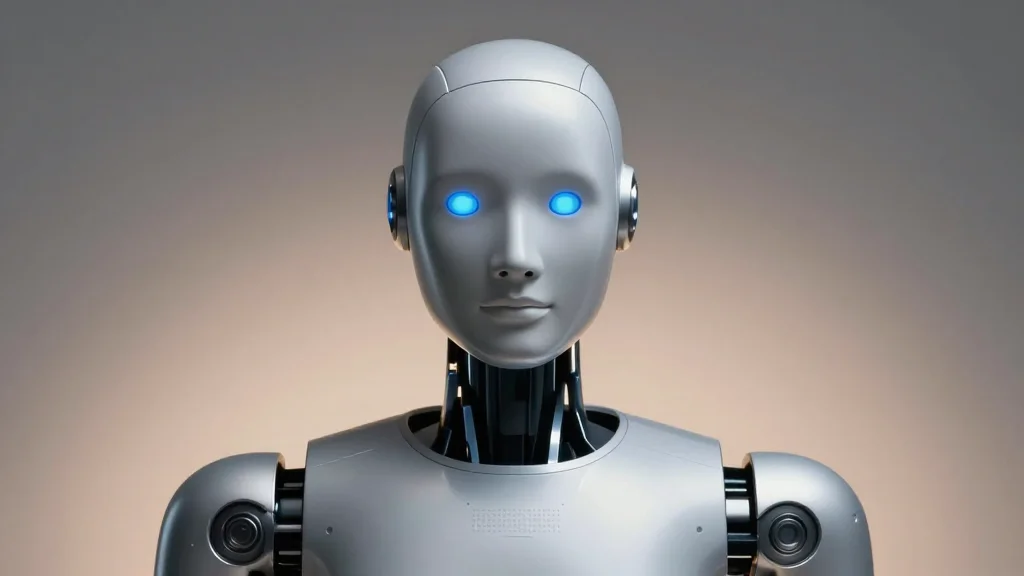
Mouser's Rise of the Robots Program Explores Humanoid Design Considerations
Why It Matters
Humanoid robots are becoming viable collaborators across high‑value sectors, offering new productivity gains and safety benefits. Mouser’s educational push accelerates industry adoption by demystifying complex system integration and ROI considerations.
Key Takeaways
- •Mouser launches Rise of the Robots series on humanoid design
- •Humanoid robots now used in caregiving, industry, education
- •AI, sensing, actuation integration drives real‑world deployments
- •Engineered Arts' Ameca showcases facial expression engineering
- •Program offers videos, podcasts, articles for engineering community
Pulse Analysis
Mouser Electronics’ Rise of the Robots initiative arrives at a pivotal moment for the robotics market. Global demand for collaborative machines has surged as manufacturers seek to automate repetitive tasks while maintaining flexibility. By spotlighting humanoid platforms, Mouser taps into a niche where human‑like interaction can bridge gaps in caregiving, education, and hazardous‑environment work. The program’s multi‑format approach—podcasts, videos, and deep‑dive articles—provides engineers with actionable insights, positioning Mouser as a conduit between component suppliers and end‑user innovators.
Technical progress underpins the shift from laboratory prototypes to field‑ready humanoids. Recent breakthroughs in multimodal perception allow robots to fuse visual, tactile, and auditory data in real time, while advances in low‑latency control loops enable smoother, more natural movements. Embedded AI chips now deliver on‑device inference, reducing reliance on cloud connectivity and enhancing privacy. Power‑dense battery technologies and efficient actuation mechanisms extend operational time, addressing a historic barrier to widespread deployment. Mouser’s coverage of these trends helps engineers evaluate component choices against performance and cost metrics.
The broader business implications are significant. Companies that integrate humanoid robots can improve worker safety, lower labor costs, and unlock new service models—particularly in eldercare and customer‑facing roles. However, ROI calculations must consider upfront capital, maintenance, and the need for legacy system integration. Mouser’s educational resources aim to clarify these financial considerations, encouraging faster adoption across sectors. As the ecosystem matures, the convergence of AI, advanced sensing, and modular hardware will likely drive a new wave of scalable, human‑compatible automation solutions.
Mouser's Rise of the Robots Program Explores Humanoid Design Considerations
Comments
Want to join the conversation?
Loading comments...