NATO Nations Form Drone-Killing User Club
Why It Matters
The user club accelerates capability growth for NATO’s counter‑drone architecture, reducing procurement cycles and ensuring interoperable, cost‑effective defense against proliferating low‑cost UAV threats.
Key Takeaways
- •Latvia, Estonia, Belgium received BLAZE drones in Jan 2026.
- •User Club creates direct feedback loop for rapid system upgrades.
- •BLAZE is NATO‑STANAG‑compliant, enabling joint operations.
- •EU Security Action Fund finances Latvia’s multi‑year supply contract.
- •Observer nations signal expanding procurement pipeline across NATO.
Pulse Analysis
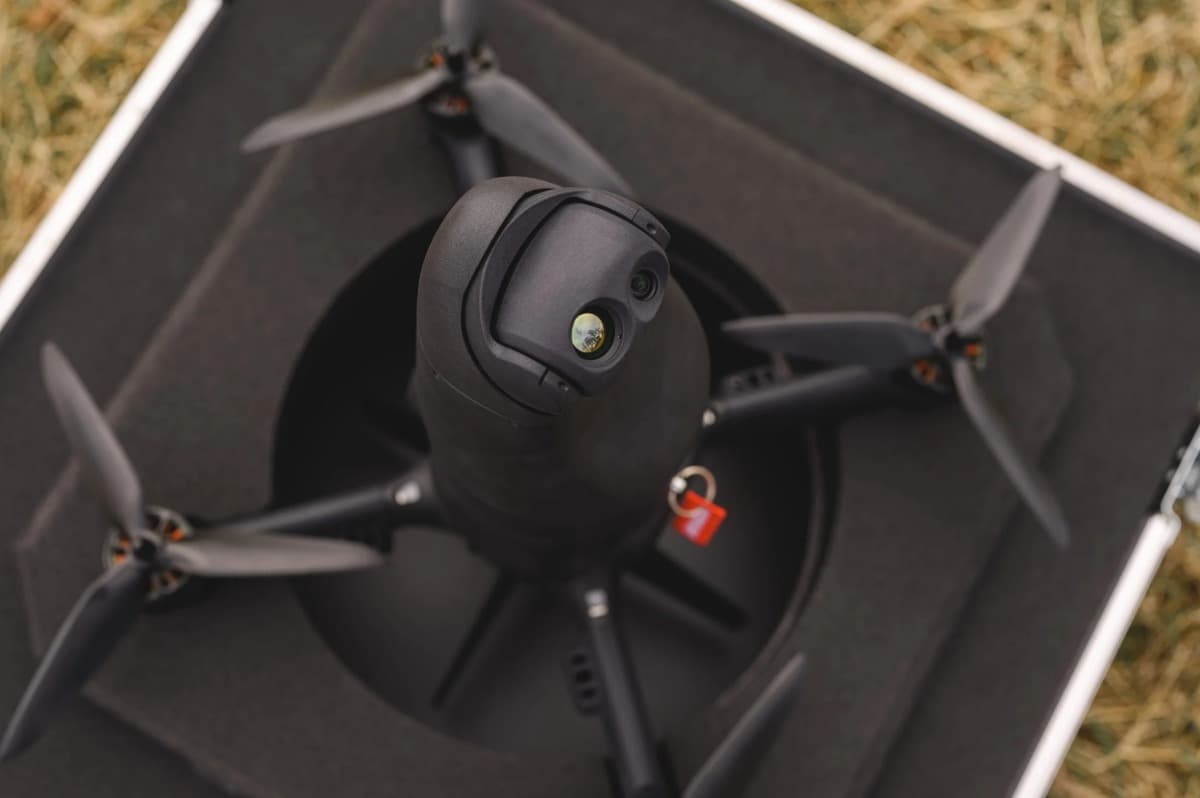
The BLAZE interceptor drone represents a shift in counter‑drone strategy, swapping expensive missile interceptors for a low‑cost, autonomous UAV that hunts other drones. By integrating radar data directly into its autopilot, BLAZE can autonomously close on fast‑moving threats while a human operator retains final engagement authority. This design keeps interception costs close to the price of the hostile drone, a crucial advantage as cheap commercial UAVs become increasingly weaponized in modern conflicts.
The formation of the BLAZE User Club in Latvia signals a new procurement paradigm for NATO members. By convening current operators with the manufacturer, the club establishes a real‑time feedback loop that drives software‑based upgrades, allowing nations to "buy once, improve continuously." This approach shortens acquisition timelines and mitigates the risk of fielding obsolete hardware. Moreover, the system’s STANAG‑compliant warhead module guarantees interoperability, so Latvian and Belgian batteries can share targeting data and deconflict engagements without bespoke integration work.
Strategically, the user club aligns with NATO’s broader "drone wall" initiative aimed at securing the alliance’s eastern flank. With the Baltic states directly bordering Russian airspace, the rapid deployment of BLAZE enhances regional resilience against the surge of cheap, lethal UAVs observed in recent conflicts. EU funding through the Security Action Fund not only validates the platform’s European origin but also lowers financial barriers for member states. As observer nations evaluate the system, BLAZE could become a cornerstone of NATO’s unified counter‑UAV posture, shaping future defense procurement and industrial collaboration across the alliance.
NATO nations form drone-killing user club
Comments
Want to join the conversation?
Loading comments...