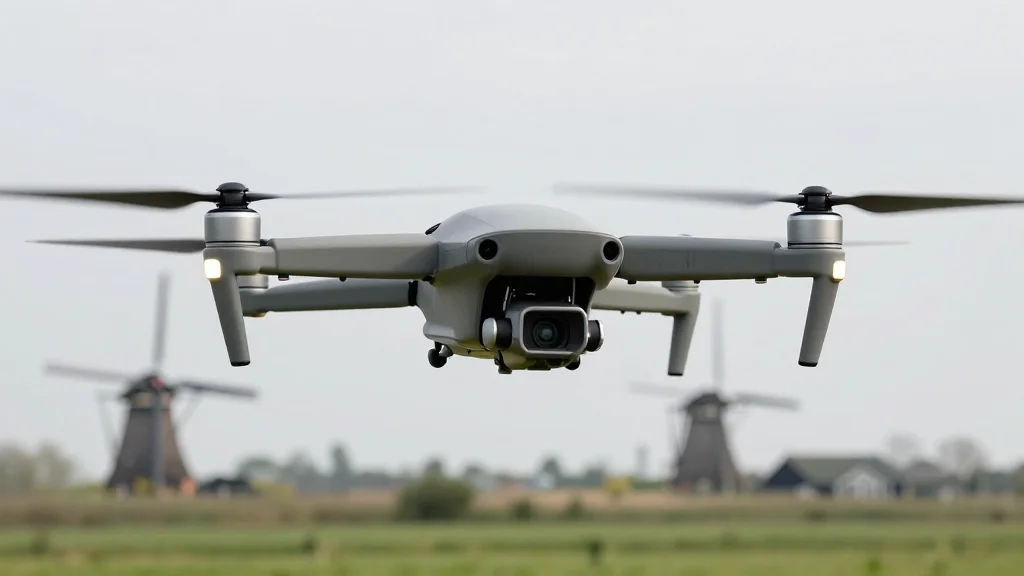
Netherlands Allocates €248 Million to Build Combat Drones for Ukraine

Companies Mentioned
Why It Matters
The Dutch investment signals a deepening of European military‑industrial cooperation in response to the Ukraine war, turning unmanned systems from a niche capability into a mainstream component of NATO’s collective defence. By financing production on both Dutch and Ukrainian soil, the Netherlands not only accelerates Kyiv’s battlefield effectiveness but also seeds a resilient supply chain that can weather Russian attempts to disrupt European drone manufacturing. Beyond the immediate tactical impact, the deal showcases how mid‑size economies can leverage defence spending to spur high‑tech job creation and export growth. If successful, the model could be replicated across Europe, fostering a continent‑wide network of drone manufacturers that reduces reliance on non‑European suppliers and strengthens strategic autonomy.
Key Takeaways
- •Netherlands pledges €248 million ($293 M) for combat drone production for Ukraine
- •Drones will be manufactured in both the Netherlands and Ukraine, with deliveries expected within 12‑18 months
- •The program creates roughly 1,200 jobs and involves major Dutch aerospace firms
- •Russia warned that increased European drone supplies “escalate the conflict”
- •The funding adds to a broader NATO aid package that now exceeds $4.5 billion for Ukraine
Pulse Analysis
The Dutch drone commitment marks a strategic pivot from traditional arms sales to a more integrated, technology‑focused aid model. Historically, European support for Ukraine has centered on legacy platforms—tanks, artillery, and fighter jets. By earmarking funds specifically for unmanned systems, the Netherlands acknowledges the decisive role drones have played in recent Ukrainian offensives, from reconnaissance to precision strikes. This shift aligns with a broader NATO trend that treats autonomy and AI‑enabled weapons as force multipliers, reducing the manpower and logistical footprint required for sustained operations.
Economically, the deal is a textbook example of defence‑driven industrial policy. The Netherlands leverages its high‑skill aerospace base to secure export orders while simultaneously bolstering domestic employment. The dual‑site production approach mitigates supply‑chain risks and embeds Ukrainian technical expertise, potentially accelerating the country’s own defence industrial base post‑conflict. Competitors such as Sweden and France are likely to watch closely, as they consider similar joint‑venture models to capture market share in the fast‑growing combat‑drone sector.
Looking ahead, the success of this program will hinge on integration challenges—ensuring Dutch‑built drones can communicate seamlessly with Ukrainian command systems—and on the political calculus of further escalation. If the drones prove effective, they could spur a new wave of European funding for autonomous weapons, reshaping the continent’s defence posture for decades. Conversely, a Russian backlash targeting production facilities could test the resilience of this cross‑border supply chain, making risk mitigation a critical component of future procurement strategies.
Netherlands Allocates €248 Million to Build Combat Drones for Ukraine
Comments
Want to join the conversation?
Loading comments...