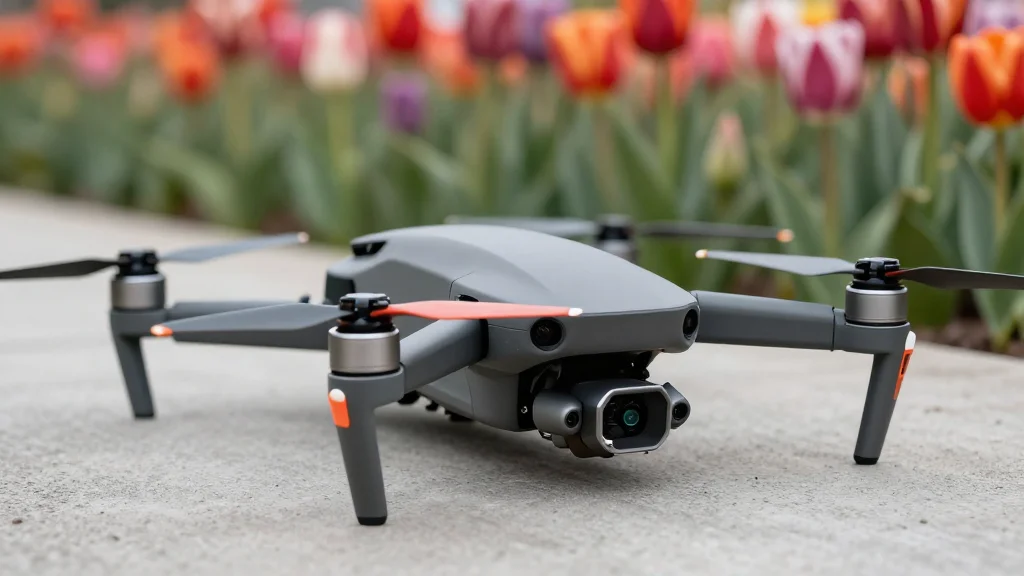
Netherlands Commits €248 Million ($293 M) to Build Drones for Ukraine

Why It Matters
The Dutch funding marks one of the largest single‑country investments in Ukrainian drone capability, highlighting how unmanned systems have shifted from niche tools to core combat assets. By embedding production in both the Netherlands and Ukraine, the programme not only accelerates delivery of critical hardware but also transfers technical know‑how to a war‑affected economy, potentially seeding a post‑war aerospace sector. Moreover, the move signals to other European states that coordinated industrial support can complement direct military aid, creating a more resilient supply chain for future conflicts. For the robotics industry, the deal underscores the commercial viability of combat‑grade UAVs and the importance of rapid‑scale manufacturing. Companies that can adapt civilian drone technology for hardened military use stand to gain new markets, while governments may increasingly view defence‑industrial policy as a tool for geopolitical influence.
Key Takeaways
- •Netherlands allocates €248 million ($293 M) to produce combat drones for Ukraine
- •Funding supports joint manufacturing in the Netherlands and Ukraine
- •Defence Minister Dilan Yesilgoz‑Zegerius highlighted drones as crucial to repelling Russian attacks
- •The programme aligns with broader Western aid, including the UK’s 120,000‑drone pledge
- •Production is expected to begin by late 2026, boosting both Dutch aerospace firms and Ukraine’s defence industry
Pulse Analysis
The Dutch drone programme illustrates a strategic pivot from traditional arms shipments to technology‑centric assistance. In earlier phases of the war, Ukraine relied heavily on donated legacy systems; today, its battlefield doctrine is built around swarms of cheap, off‑the‑shelf UAVs that can be field‑modified for reconnaissance, electronic warfare, and even loitering‑munitions roles. By financing production, the Netherlands is effectively subsidising a rapid‑innovation loop that keeps Ukrainian forces ahead of Russian counter‑UAV measures.
Historically, European defence procurement has been fragmented, with each nation protecting its own industrial base. The joint‑production model sidesteps this by creating a shared value chain: Dutch firms gain a guaranteed customer, while Ukrainian factories acquire the tooling and expertise needed to sustain a domestic drone ecosystem. This could lay the groundwork for a post‑war European‑Ukrainian aerospace partnership, similar to the Franco‑German cooperation that birthed the Eurofighter.
From a market perspective, the injection of €248 million will likely spur a surge in component orders—flight controllers, propulsion units, and composite airframes—from suppliers across the EU. Companies that can demonstrate compliance with NATO standards will capture a larger slice of the emerging combat‑UAV market, which analysts project could exceed $10 billion annually by 2030. However, the initiative also raises questions about export‑control harmonisation and the risk of technology proliferation. As Russia intensifies its own drone production, the West must balance speed of delivery with safeguards to prevent reverse‑engineered copies from reaching adversarial hands. The Dutch move, therefore, is both a tactical boost for Kyiv and a test case for how allied nations can coordinate industrial policy in real time during an active conflict.
Netherlands Commits €248 Million ($293 M) to Build Drones for Ukraine
Comments
Want to join the conversation?
Loading comments...