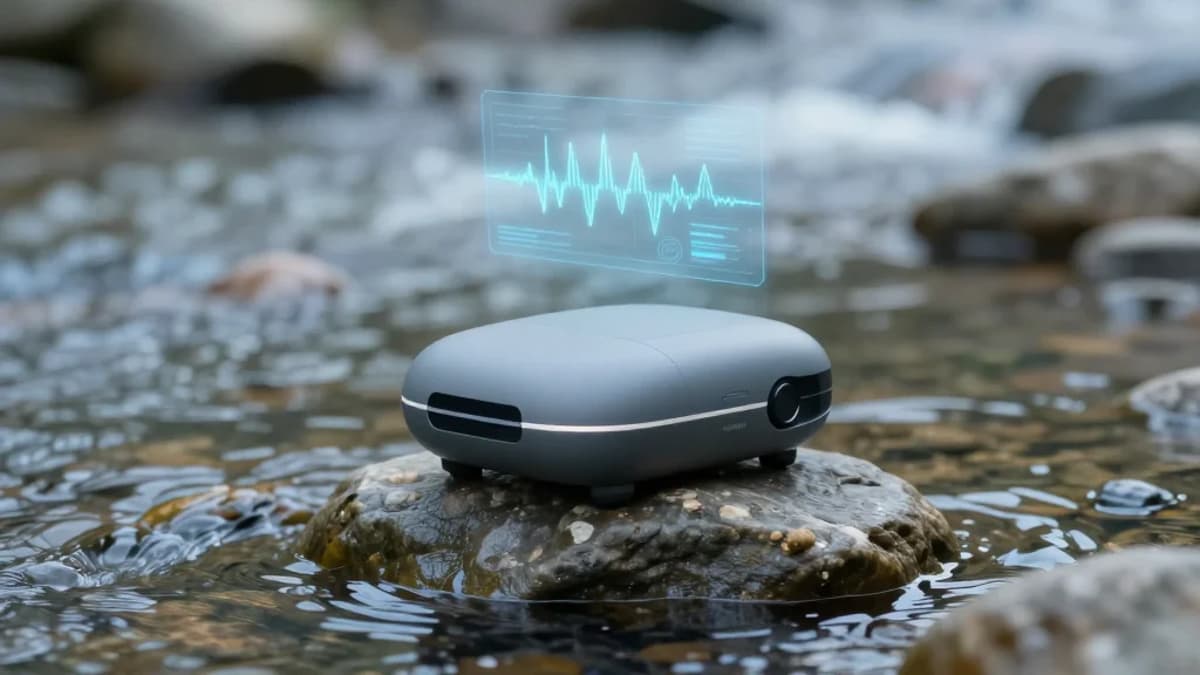
New Robotic Sampler Aims to Transform Monitoring of Aquatic Ecosystems
•January 31, 2026
0


Why It Matters
By delivering affordable, scalable eDNA sampling, FIDO enables earlier threat detection, reducing ecological damage and associated economic losses for fisheries and water‑dependent communities.
Key Takeaways
- •FIDO weighs 22 kg, portable for single‑person deployment
- •Collects up to 144 eDNA samples per mission
- •Cloud interface controls multiple units simultaneously
- •Low‑cost design expands eDNA monitoring to more agencies
- •Early detection enables rapid response to invasive species
Pulse Analysis
Environmental DNA has become a cornerstone for tracking biodiversity and spotting hidden threats, yet traditional sampling methods are labor‑intensive and sporadic. Autonomous samplers bridge that gap by continuously collecting genetic material, delivering data streams that can be analyzed in near real‑time. This shift reduces reliance on field crews, mitigates safety risks, and creates a richer temporal picture of ecosystem health, essential for proactive management in the face of climate‑driven disturbances.
FIDO’s engineering draws from MBARI’s flagship Environmental Sample Processor, but strips away bulk to a 22‑kilogram platform that fits in a backpack. Its modular filter pucks and cloud‑based control panel allow researchers to launch networks of units across watersheds, scaling monitoring efforts without proportional cost increases. By preserving samples on‑board for downstream sequencing, FIDO balances immediate detection with the flexibility of lab‑based analysis, a hybrid approach that maximizes both speed and scientific rigor.
For resource managers, the economic calculus is compelling. Early identification of invasive fish or harmful algal blooms can prevent costly eradication campaigns and protect commercial and recreational fisheries. Moreover, the low production cost lowers barriers for state agencies, NGOs and even citizen‑science groups, fostering broader participation in water quality stewardship. As READI‑Net expands field trials, FIDO could set a new standard for decentralized, data‑driven aquatic monitoring, accelerating the feedback loop between observation and policy action.
New robotic sampler aims to transform monitoring of aquatic ecosystems
0
Comments
Want to join the conversation?
Loading comments...