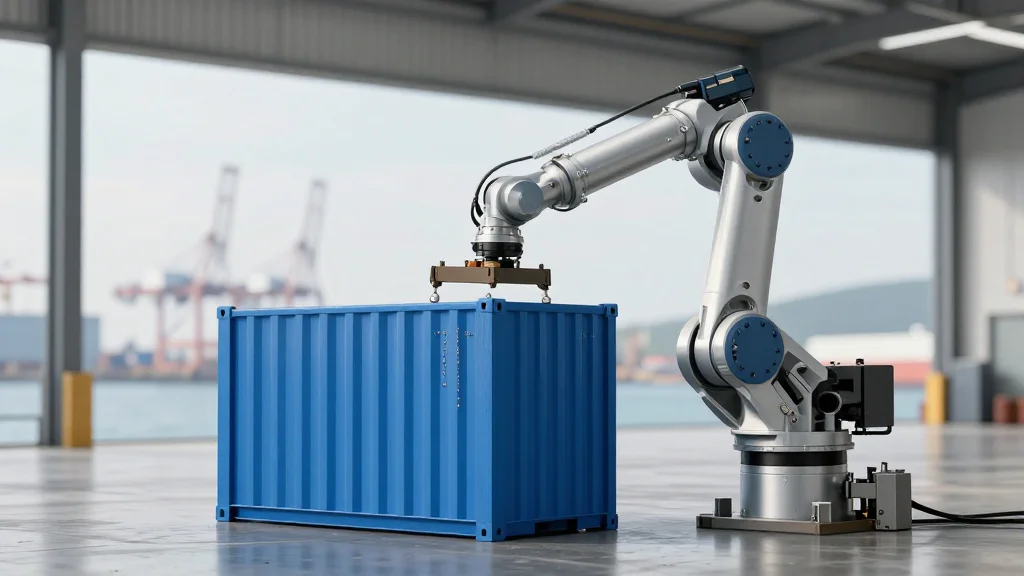
Ningbo Port Embraces Smart Manufacturing with Advanced Robotics

Why It Matters
Ningbo’s adoption of advanced robotics signals a tangible shift in China’s manufacturing paradigm, moving from labor‑intensive processes to intelligent, automated production. This transition is crucial for maintaining the country’s export competitiveness as global buyers demand higher quality, faster delivery, and lower carbon footprints. By embedding robotics at the core of its factories, Ningbo can reduce production costs, improve consistency, and better integrate with digital supply‑chain platforms, setting a benchmark for other regions. The initiative also has broader socioeconomic implications. Automation can alleviate pressure from a tightening labor market, but it raises questions about workforce reskilling and employment displacement. How quickly workers can transition to higher‑skill roles will influence the social stability of the region and shape policy responses across China’s industrial policy landscape.
Key Takeaways
- •Xinhua reports Ningbo port region is shifting to smart manufacturing with advanced robotics
- •Robots are being deployed for precision tasks and real‑time data analytics in local factories
- •The move aligns with China’s national push for industrial automation and digitalization
- •Specific investment amounts and robot counts were not disclosed in the report
- •Future reviews will gauge productivity gains and guide broader rollout across the region
Pulse Analysis
Ningbo’s robotics rollout is more than a local upgrade; it reflects a strategic inflection point for China’s manufacturing sector. Historically, the country’s growth engine relied on scale and low‑cost labor. As wages rise and global competitors tighten, the marginal returns on sheer volume diminish. Smart factories, powered by robotics and AI, promise to reclaim that edge by delivering higher value per unit of input.
From a market perspective, Ningbo’s initiative could catalyze a cascade of demand for domestic robot manufacturers such as Siasun and Estun, as well as foreign players eyeing joint‑venture opportunities. The lack of disclosed financials suggests the project may be in a pilot phase, but the symbolic weight of a major port city embracing automation cannot be overstated. It signals to investors that China is serious about moving up the value chain, potentially unlocking new capital flows into the robotics ecosystem.
However, the transition is not without risk. Successful integration hinges on data interoperability, workforce upskilling, and robust supply chains for high‑tech components. If Ningbo’s pilots falter, it could temper enthusiasm in other regions and slow the nation’s broader automation agenda. Conversely, demonstrable gains in productivity and cost savings could accelerate policy support, prompting faster adoption of smart manufacturing standards nationwide. The upcoming performance review will be a litmus test for the viability of scaling robotics across China’s vast industrial landscape.
Ningbo Port Embraces Smart Manufacturing with Advanced Robotics
Comments
Want to join the conversation?
Loading comments...