Nvidia Launches Robotics Hackathon with $5,000 Top Prize to Spur Physical AI Development
•February 8, 2026
0
Companies Mentioned


Why It Matters
The hackathon spurs ecosystem growth around Nvidia’s physical AI platform, driving innovation in robotics, autonomous vehicles, and video analytics. Accelerated adoption could shorten time‑to‑market for AI‑powered hardware solutions.
Key Takeaways
- •Nvidia offers DGX Spark system to first‑place winner
- •Hackathon focuses on Cosmos foundation models for physical AI
- •Prizes total $5,000 plus high‑end GPU hardware
- •Judges include Hugging Face and Datature experts
- •Event runs Jan 29–Feb 26, winners announced mid‑March
Pulse Analysis
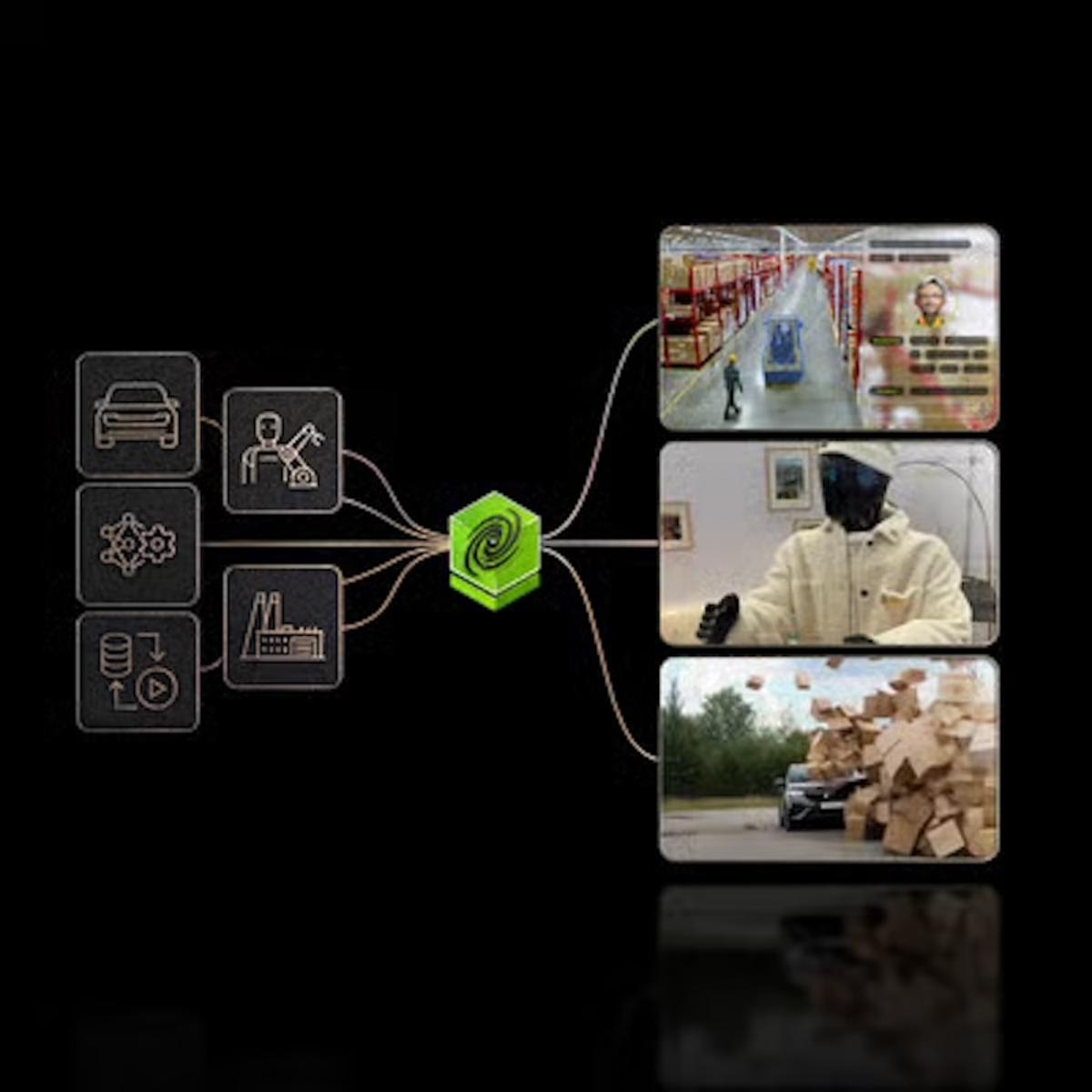
Nvidia’s recent announcement of the Cosmos Cookoff underscores the company’s strategic shift from pure graphics processing to a broader AI‑centric portfolio that includes physical intelligence. The Cosmos platform, built on world foundation models such as Cosmos Predict, enables machines to perceive, reason, and act in real‑world environments. By packaging these capabilities into a developer‑friendly hackathon, Nvidia is lowering the barrier for startups and research teams to experiment with robot control policies, autonomous navigation, and intelligent video analytics.
The competition’s structure blends monetary incentives with tangible hardware, offering a DGX Spark system for the top team and a GeForce RTX 5090 GPU for the runner‑up. This hardware focus reflects Nvidia’s confidence that access to high‑performance compute will accelerate prototype development and showcase the practical value of its AI models. Expert judges from Datature, Hugging Face, Nebius, Nexar, and Nvidia ensure that submissions are evaluated on technical merit, design elegance, and real‑world impact, fostering a meritocratic ecosystem that rewards innovative use‑cases across robotics, autonomous vehicles, and video analytics.
Industry observers see the Cookoff as a bellwether for the growing emphasis on physical AI, where the ability to interact with the physical world becomes a competitive differentiator. By nurturing a community around its Cosmos suite, Nvidia aims to cement its role as the de‑facto platform for next‑generation autonomous systems. Successful hackathon projects could seed commercial products, influence standards, and accelerate the adoption curve for AI‑driven robotics across manufacturing, logistics, and transportation sectors.
Nvidia launches robotics hackathon with $5,000 top prize to spur physical AI development
0
Comments
Want to join the conversation?
Loading comments...