Omaha High School Team Wins World Robotics Championship Among 900 Competitors

Why It Matters
The Omaha victory illustrates the rapid maturation of youth robotics, where high‑school teams can field machines that rival collegiate and early‑stage commercial prototypes. This shift signals a broader pipeline of talent ready to enter the robotics workforce, potentially accelerating innovation in sectors ranging from manufacturing automation to service robots. Moreover, the event’s scale—900 teams—demonstrates the expanding reach of competitive robotics as a global educational movement. As more districts allocate resources to robotics curricula, the competitive bar rises, driving advances in hardware reliability, software integration, and strategic gameplay that can spill over into commercial R&D.
Key Takeaways
- •Omaha high‑school team won the world championship at a 900‑team robotics competition.
- •The team completed an undefeated run, winning all matches across three days.
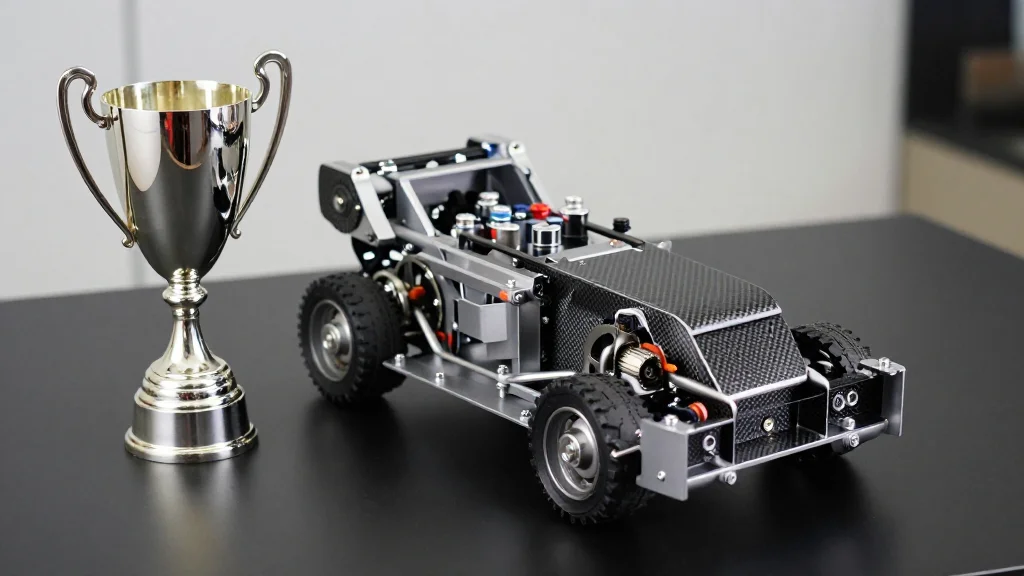
- •Their robot, now in its sixth version, featured a redesigned intake system and upgraded motor controllers.
- •Driver Wesley Wildes and engineer Chris Holtzclaw made a decisive last‑minute adjustment in the finals.
- •The win positions the team for the International Robotics Expo in Tokyo and attracts potential corporate sponsors.
Pulse Analysis
Omaha’s triumph is more than a single tournament win; it reflects a structural evolution in the robotics education ecosystem. Over the past decade, the proliferation of affordable microcontrollers, 3D‑printed components, and open‑source software has lowered entry barriers, enabling high‑school teams to iterate at a pace once reserved for university labs. The sixth‑generation robot’s performance gains—particularly the 15% reduction in cycle time—underscore how iterative design cycles, supported by data analytics, are becoming standard practice even among teenage engineers.
From a market perspective, the visibility of such achievements fuels a virtuous cycle of investment. Corporations that sponsor youth teams gain early access to emerging talent and can test emerging technologies in a low‑risk environment. In turn, schools receive funding for equipment, mentorship, and travel, amplifying the talent pipeline. This dynamic is likely to intensify as the robotics industry seeks skilled engineers to meet the demand for automation across manufacturing, logistics, and healthcare.
Looking forward, the upcoming International Robotics Expo will serve as a litmus test for whether high‑school teams can sustain competitive parity on a truly global stage. Success there could catalyze further integration of youth robotics into formal STEM pathways, prompting educational policymakers to embed robotics more deeply into curricula. For investors and industry leaders, tracking the performance of teams like Omaha offers an early indicator of where the next wave of robotics innovators will emerge.
Omaha High School Team Wins World Robotics Championship Among 900 Competitors
Comments
Want to join the conversation?
Loading comments...