Pentagon's $1.1B Drone Initiative Sends Startup Shares Soaring

Companies Mentioned
Why It Matters
The Pentagon's funding injection reshapes the economics of the U.S. drone market, lowering barriers for small innovators and potentially driving down unit costs for military customers. By anchoring procurement to domestic startups, the initiative could accelerate the development of new autonomous capabilities, influencing both combat and civilian applications such as infrastructure inspection and disaster response. Beyond the immediate procurement goals, the program may spur a cascade of related investments in counter‑UAV systems, AI‑enabled threat detection and low‑cost air‑defense platforms. As the United States builds a larger fleet of inexpensive attack drones, the demand for robust defensive measures will rise, creating a parallel market for sensors, jammers and AI‑driven interception technologies.
Key Takeaways
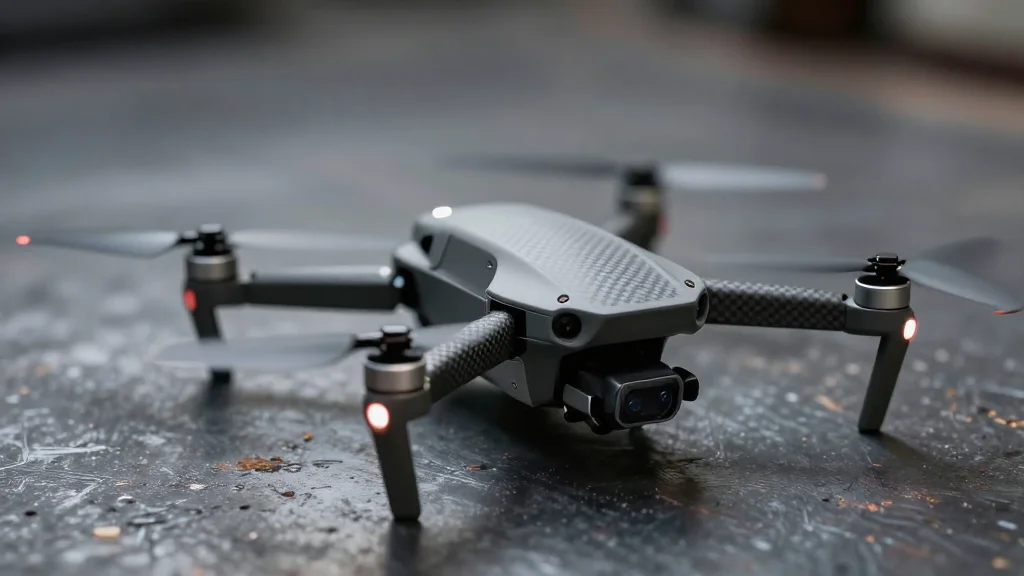
- •Pentagon announces $1.1 billion Drone Dominance program to stockpile 300,000 drones by 2027
- •Unit price target set below $5,000 per drone, emphasizing low‑cost production
- •Unusual Machines shares rise 33% after the announcement, the biggest mover
- •Funding will be delivered via debt, conditional loans and equity stakes to startups
- •Program aims to expand U.S. manufacturing capacity and reduce reliance on foreign suppliers
Pulse Analysis
The DoD's decision to fund drone startups rather than purchase finished systems marks a departure from traditional defense acquisition models, which often favor large, established contractors. By injecting capital directly into the supply chain, the Pentagon is betting on rapid innovation cycles and economies of scale that smaller firms can achieve when backed by federal resources. This approach mirrors the tech industry's venture‑capital playbook, where early‑stage funding accelerates product development and market entry.
Historically, low‑cost unmanned platforms have been the domain of foreign manufacturers, especially in the Middle East and Asia. The U.S. push to internalize production could reshape global market dynamics, forcing foreign competitors to either lower prices or focus on niche, high‑performance systems. Moreover, the emphasis on sub‑$5,000 drones aligns with a broader strategic doctrine that values swarm tactics and attritable assets over expensive, single‑point platforms.
Looking forward, the success of the Drone Dominance initiative will hinge on the ability of startups to meet rigorous military standards at scale. If they succeed, the Pentagon could replicate this financing model across other emerging technologies—such as autonomous ground robots and AI‑driven logistics—potentially redefining how the United States equips its forces for future conflicts.
Pentagon's $1.1B Drone Initiative Sends Startup Shares Soaring
Comments
Want to join the conversation?
Loading comments...