Robots Are Closing in on Human-Like Judgments, Addressing a Key Challenge in Physical AI
Why It Matters
VOTP slashes data‑labeling costs and speeds up development, making human‑aligned robots and autonomous systems commercially viable faster and more safely.
Key Takeaways
- •VOTP learns human preferences from just a few demonstration videos
- •Reduces labeling effort from thousands to single‑digit video samples
- •Enables faster, cheaper development of robots, autonomous cars, surgical bots
- •Demonstrated strong generalization across diverse physical‑AI tasks
- •Positions KAIST as a leader in feedback‑efficient reinforcement learning
Pulse Analysis
Physical AI—machines that act in the real world—has long been hampered by the need for massive human‑generated reward signals. Traditional approaches require engineers to painstakingly evaluate thousands of robot actions to teach a system what "good" looks like. This data‑intensive pipeline inflates costs, delays product launches, and raises safety concerns, especially in high‑stakes domains like surgery or autonomous driving. The core problem is translating nuanced human intent into a quantitative objective that an algorithm can optimize.
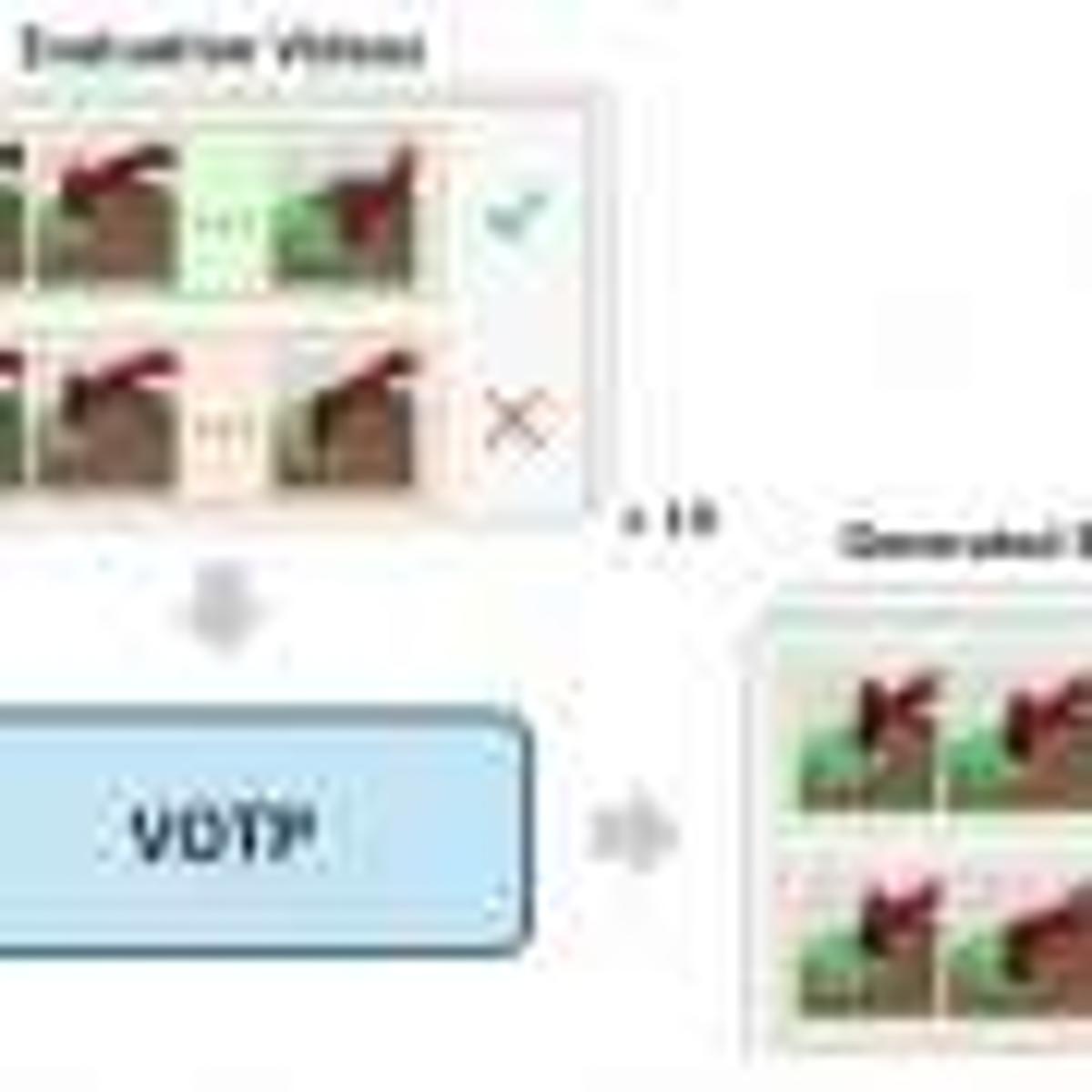
VOTP tackles that bottleneck by leveraging optimal transport theory to extract preference information from a handful of videos showing desirable and undesirable outcomes. Instead of explicit scores, the algorithm infers a latent reward function that aligns with human judgment, effectively learning the "why" behind each action. In benchmark tests spanning robot‑arm manipulation, drone navigation and simulated surgical suturing, VOTP matched or exceeded the performance of models trained on orders of magnitude more labeled data. Its ability to generalize across environments demonstrates that the method captures fundamental aspects of human intent rather than overfitting to specific tasks.
The commercial implications are profound. Manufacturers can now prototype intelligent machines with a fraction of the data‑collection budget, accelerating time‑to‑market for smart factories, autonomous fleets and medical robotics. Reduced reliance on human annotators also lowers the risk of bias and inconsistency in reward design, enhancing safety and regulatory compliance. As firms adopt VOTP‑style feedback‑efficient reinforcement learning, the industry is likely to see a surge in affordable, trustworthy physical‑AI solutions, cementing KAIST’s role as a catalyst for the next generation of human‑centric automation.
Robots are closing in on human-like judgments, addressing a key challenge in physical AI
Comments
Want to join the conversation?
Loading comments...