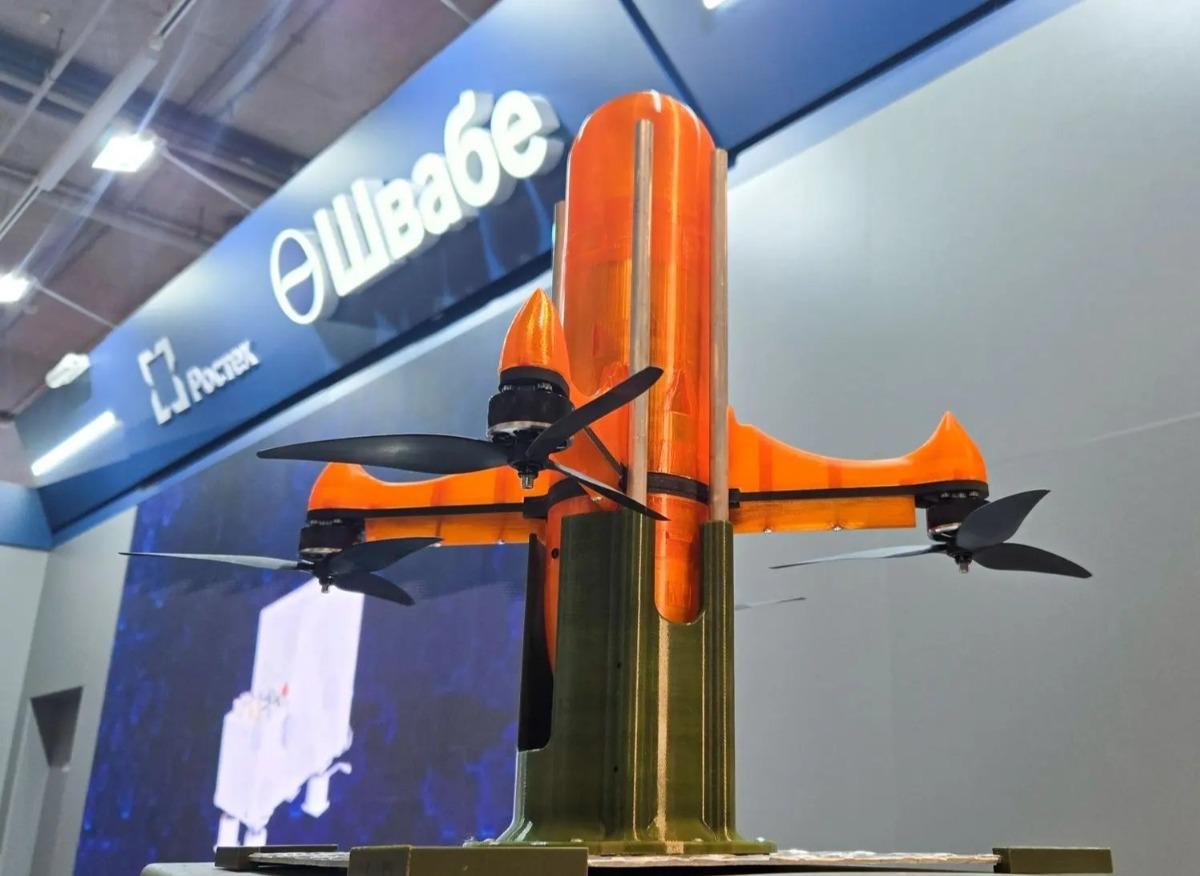
Russia Develops New Coastal Drone Interceptor
Why It Matters
The technology promises faster, millisecond‑level response to hostile drones, bolstering Russia’s coastal defense against a proven threat. Its development signals a broader shift toward AI‑driven counter‑UAV solutions in contested maritime zones.
Key Takeaways
- •Shvabe unveiled AI‑guided interceptor drones at Fleet 2026 exhibition
- •System combines optical‑electronic station, drones, and human‑authorized engagement
- •Neural‑network control handles terminal phase for millisecond‑level accuracy
- •Developed in response to Ukrainian drone attacks on Russian coastal assets
- •Production status unclear; performance metrics not disclosed publicly
Pulse Analysis
The surge in Ukrainian drone operations—ranging from surface‑borne craft to loitering aerial platforms—has exposed vulnerabilities in Russia’s coastal defenses. High‑profile strikes on the Kerch Bridge, fuel depots, and naval vessels have forced Moscow to prioritize rapid detection and neutralization capabilities. By showcasing an AI‑driven interceptor at Fleet 2026, Shvabe signals its intent to close the reaction‑time gap that traditional manned systems struggle to meet, positioning the technology as a direct countermeasure to these evolving threats.
Shvabe’s architecture mirrors a growing global trend: a human‑in‑the‑loop decision point paired with autonomous terminal engagement. The ground‑based optical‑electronic station streams real‑time imagery to operators, who authorize a launch. Once airborne, the interceptor relies on neural‑network algorithms to calculate optimal trajectories and execute the intercept within milliseconds—far faster than a human could manually pilot. This hybrid approach balances legal and ethical considerations with the kinetic demands of modern counter‑UAV warfare, aligning Russian capabilities with Western counterparts that have adopted similar AI‑assisted designs.
While the mock‑up underscores Russia’s technical ambition, the absence of concrete performance data leaves analysts uncertain about its operational edge. If the system proves effective, it could become a exportable asset for allied states seeking AI‑enhanced maritime security solutions, potentially reshaping the global counter‑drone market. Conversely, limited production or integration challenges could relegate the concept to a showcase rather than a fielded capability, underscoring the gap between prototype demonstrations and battlefield deployment.
Russia develops new coastal drone interceptor
Comments
Want to join the conversation?
Loading comments...