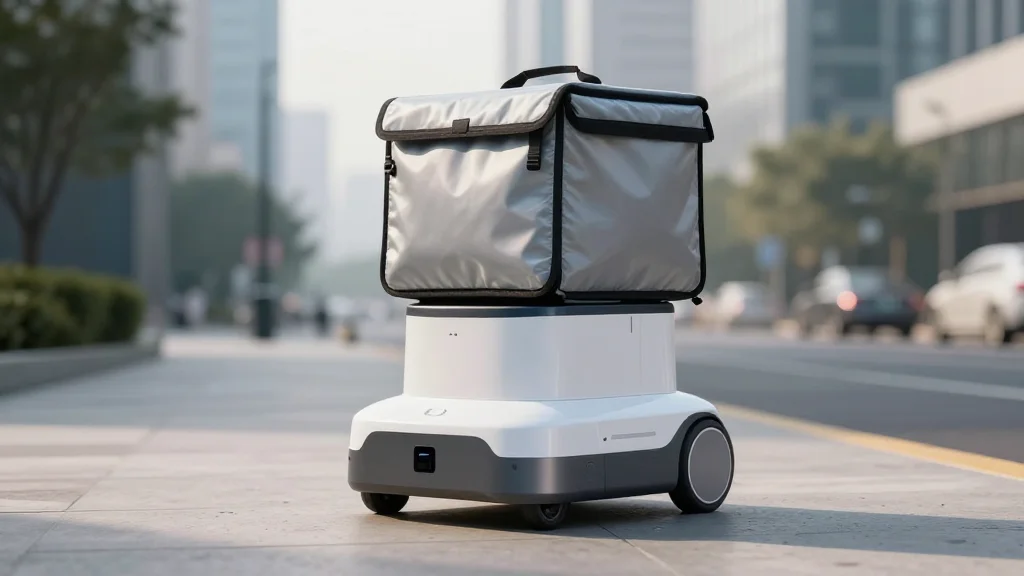
Serve Robotics Posts 578% Revenue Jump as Autonomous Delivery Fleet Expands

Companies Mentioned
Why It Matters
Serve Robotics’ explosive revenue growth signals that investors and operators see autonomous last‑mile delivery as a viable solution to the $450 billion small‑scale logistics problem. If the company can prove that its robots consistently lower per‑order costs, it could force a re‑pricing of delivery fees across the industry, benefitting restaurants, consumers and platform margins. At the same time, Serve’s high cash burn and lofty valuation highlight the risk inherent in scaling capital‑intensive robotics ventures. The company’s trajectory will be a bellwether for how quickly physical AI can move from pilot projects to profitable, large‑scale operations, shaping funding patterns for dozens of emerging robot startups.
Key Takeaways
- •Revenue rose 578% YoY to $3 M in Q1 2026
- •Gen3 robots now operate in 20 U.S. cities with a fleet of ~2,000 units
- •Acquisition of Diligent added Moxi hospital robot and doubled city coverage to 44
- •Operating loss of $49 M in Q1, cash balance $197.4 M
- •Projected 2026 revenue of $26 M and global expansion to four new countries by 2027
Pulse Analysis
Serve Robotics is riding the wave of physical AI, a trend where sensor‑driven robots replace human labor in the physical world. The company’s aggressive rollout mirrors the broader investor pivot from pure‑software AI to hardware‑centric solutions that promise tangible cost savings. By leveraging Nvidia’s Jetson Orin platform, Serve can claim Level‑4 autonomy—a technical milestone that differentiates it from many competitors still stuck in driver‑assist or remote‑control modes.
However, the financials reveal a classic growth‑stage dilemma: rapid top‑line expansion paired with deep losses. The $49 million Q1 loss, driven by R&D, fleet deployment and acquisition costs, suggests that Serve is still in a cash‑intensive build‑out phase. Its current price‑to‑sales multiple of 113 implies that the market is pricing in future dominance rather than present earnings, a gamble that could backfire if regulatory hurdles slow sidewalk autonomy or if platform partners shift back to human couriers.
The next 12 months will be decisive. A successful global rollout and a clear path to breakeven could cement Serve as a cornerstone of the last‑mile ecosystem, prompting larger logistics firms to either partner with or acquire similar capabilities. Conversely, a missed revenue target or a funding shortfall could see the company’s valuation collapse, serving as a cautionary tale for the physical AI boom. Investors should watch Serve’s upcoming financing round, its ability to lock in long‑term contracts with delivery platforms, and any municipal legislation that could either enable or restrict sidewalk‑driving robots.
Serve Robotics posts 578% revenue jump as autonomous delivery fleet expands
Comments
Want to join the conversation?
Loading comments...