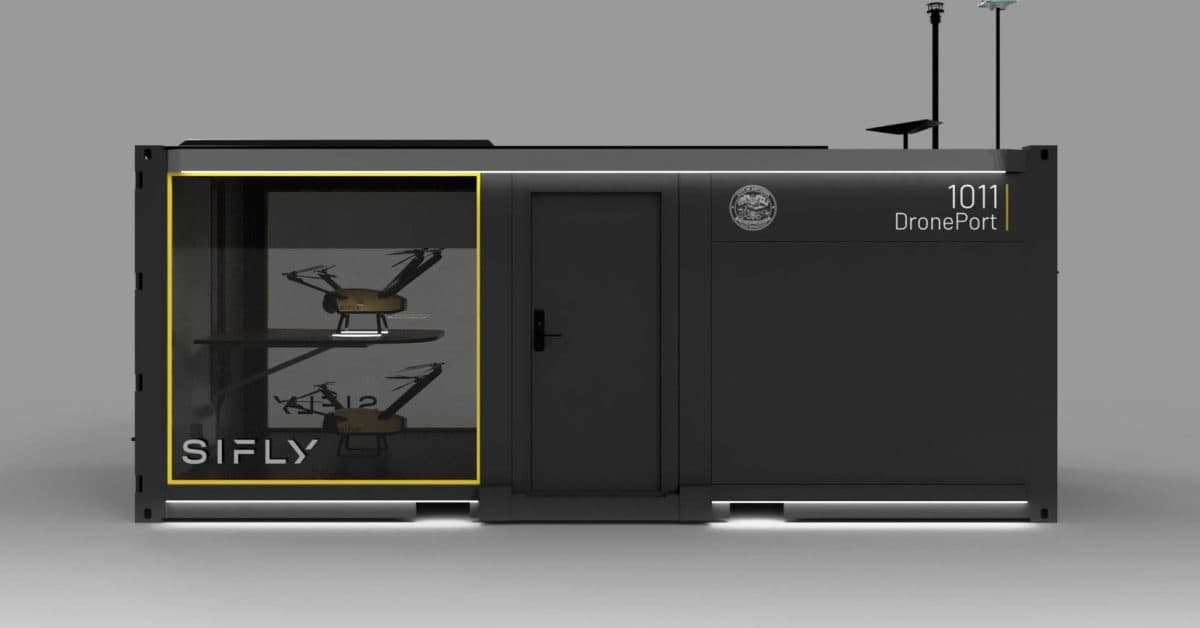
SiFly Wants to Replace Costly Drone Dock Networks with This
Why It Matters
DronePort could dramatically lower the cost barrier for scaling public‑safety and utility drone programs, enabling broader, faster aerial coverage with fewer infrastructure investments.
Key Takeaways
- •DronePort provides up to five times coverage per node
- •Deployment costs may drop tenfold versus traditional docks
- •Mobility lets DronePort serve disaster‑response and temporary sites
- •Integrated with SiFly’s Q12 long‑endurance drone
- •Network Planner tool estimates optimal node‑drone configurations
Pulse Analysis
Scaling drone operations has long been hampered by the need for a dedicated dock for each aircraft, a model that quickly becomes cost‑prohibitive as fleets grow. Operators in public safety, utilities, and agriculture often face fragmented coverage and escalating capital expenditures when expanding their aerial assets. By reimagining drone infrastructure as a shared hub—akin to an airport—SiFly addresses these pain points, offering a more economical pathway to persistent, large‑area surveillance.
DronePort’s core promise is a dramatic boost in efficiency: a single node can support multiple drones, delivering up to five times the geographic coverage of a conventional dock while slashing deployment costs by up to ten times. The platform’s mobility means it can be positioned on‑site for disaster response or temporary missions, and its integration with the Q12 long‑endurance drone ensures rapid turnaround through automated charging and maintenance. The accompanying DronePort Network Planner adds a data‑driven layer, allowing operators to model mission requirements, compare node counts, and optimize fleet composition before committing capital.
The implications for the broader drone ecosystem are significant. Police departments and emergency‑response agencies, which have struggled with budget constraints, can now contemplate city‑wide Drone as First Responder (DFR) programs without a sprawling dock network. Utility and pipeline operators stand to gain continuous line‑inspectors with fewer installation points, reducing both operational downtime and maintenance overhead. As shared‑infrastructure concepts gain traction, DronePort may set a new industry standard, prompting competitors to explore similar hub‑centric solutions and accelerating the maturation of commercial drone services.
SiFly wants to replace costly drone dock networks with this
Comments
Want to join the conversation?
Loading comments...