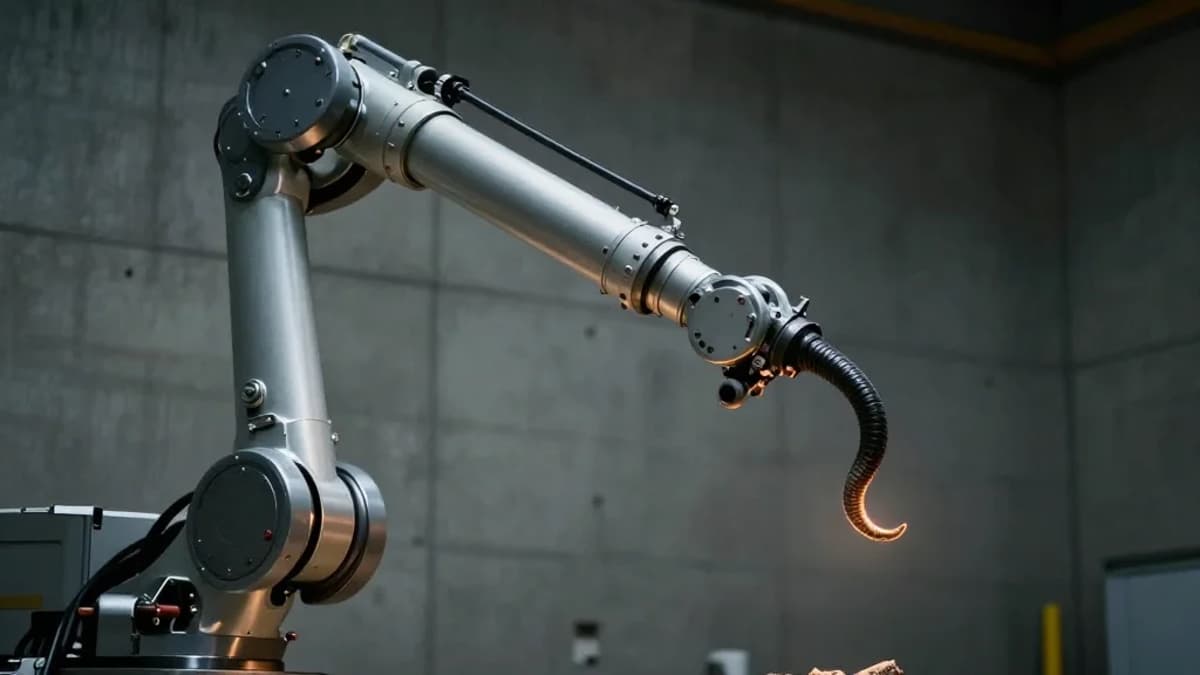
Snake-Like Robot Unveiled for Fukushima Debris Removal
•February 26, 2026
0
Why It Matters
The robot offers a safer, more precise method for handling high‑radiation debris, accelerating a decommissioning timeline that has been repeatedly delayed. Its success could set a new standard for nuclear cleanup worldwide.
Key Takeaways
- •22‑metre snake robot arm deployed for Fukushima debris
- •Weighs 4.6 tonnes, navigates tight tunnel passages
- •Equipped with camera, improves information retrieval over prior tools
- •Third trial removal scheduled later this year at melted reactor
- •Full debris extraction delayed until at least 2037
Pulse Analysis
The Fukushima Daiichi plant remains one of the most complex nuclear decommissioning projects on record, with nearly a thousand tonnes of melted fuel and contaminated structures still locked inside the reactors. Traditional remote‑handling tools have struggled to reach the cramped, highly irradiated zones where the most dangerous debris resides, forcing operators to rely on manual sampling and limited visual inspections. As the site approaches the critical phase of large‑scale fuel removal, the need for advanced robotics has become a strategic priority for both safety and schedule adherence.
The newly unveiled snake‑like robot arm addresses those challenges with a slender, articulated design that can extend up to 22 metres while maintaining a compact footprint. Weighing 4.6 tonnes, the system incorporates high‑resolution cameras, radiation‑hardened sensors, and modular end‑effectors capable of grasping irregular debris fragments. Compared with earlier prototypes, the robot delivers richer visual data and finer manipulation control, reducing the reliance on indirect measurements and lowering exposure risk for human operators. Its ability to maneuver through tunnel‑like passages opens previously inaccessible areas, promising more comprehensive sampling and, eventually, full‑scale extraction.
If the upcoming trial proves successful, the technology could reshape the timeline for Fukushima’s cleanup, potentially compressing a process that now extends into the late 2030s. Beyond Japan, the robot’s modular architecture offers a template for other high‑radiation environments, from legacy nuclear sites to future decommissioning projects worldwide. Industry analysts see this as a catalyst for increased investment in autonomous, radiation‑tolerant robotics, accelerating the adoption of safer, more efficient solutions across the nuclear sector.
Snake-like robot unveiled for Fukushima debris removal
0
Comments
Want to join the conversation?
Loading comments...