Soft Robots Get a Tiny Soft Pump to Move Their Bodies
Why It Matters
By eliminating rigid, power‑hungry pumps, the LIMA pump unlocks truly untethered soft robots, expanding their use in wearables, medical implants, and field‑deployed inspection devices.
Key Takeaways
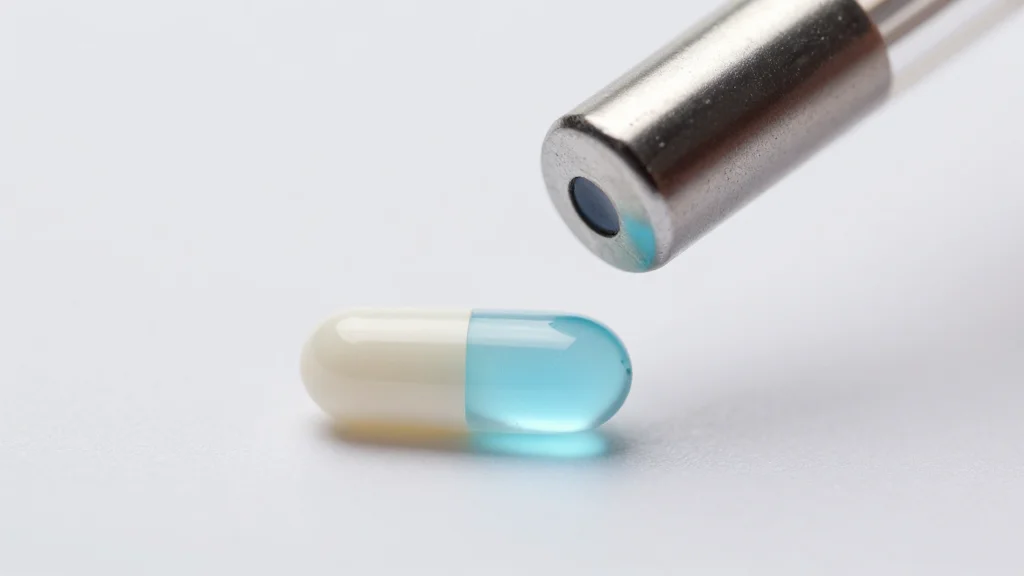
- •LIMA pump weighs 0.2 g, size of a pea
- •Generates hydraulic pressure at <0.1 volts using liquid‑metal droplet
- •Eliminates rigid components, enabling fully soft robotic systems
- •Demonstrated in butterfly, wearable bracelet, and haptic fingertip prototypes
- •Could serve as power, drug delivery, and communication hub in soft robots
Pulse Analysis
The LIMA pump marks a paradigm shift for soft robotics, a field that has long struggled with the paradox of flexible bodies powered by stiff, heavyweight pumps. By leveraging magnetohydrodynamics, the Bristol team created a self‑contained actuator that converts millivolt electrical inputs into fluid motion without any moving mechanical parts. This approach sidesteps the high‑voltage, complex fabrication hurdles that have hampered previous miniaturization attempts, making the pump compatible with compact batteries and wearable electronics.
Beyond its technical novelty, the pump’s multifunctionality could redefine how soft robots are designed. The same fluid stream that powers artificial muscles can simultaneously transport therapeutic agents, sensing chemicals, or even encode data signals, effectively turning the pump into a unified power‑delivery, drug‑dispensing, and communication hub. Such integration is especially valuable for applications like lab‑on‑a‑chip diagnostics, where space is at a premium and real‑time fluidic control is essential.
Early prototypes—ranging from a flapping robotic butterfly to a color‑changing bracelet and a haptic fingertip device—demonstrate the pump’s versatility across sectors. In medical wearables, the low‑voltage operation reduces risk while enabling continuous, untethered actuation. In search‑and‑rescue or environmental sampling, the lightweight, portable power source allows robots to navigate confined spaces without tethered compressors. As the technology matures, it could accelerate the adoption of soft robots in sectors that demand both flexibility and autonomy, from adaptive textiles to implantable therapeutic devices.
Soft robots get a tiny soft pump to move their bodies
Comments
Want to join the conversation?
Loading comments...